x
プレビュープレビュー ARで試着ARで試着 プリントを購入 プリントを購入画像を購入 画像を購入 シェアするシェアする
詳細を見る詳細を見る お気に入りに追加 お気に入りに追加 ダウンロードダウンロード 似ている作品似ている作品 X線調査X線調査 スライドショースライドショー

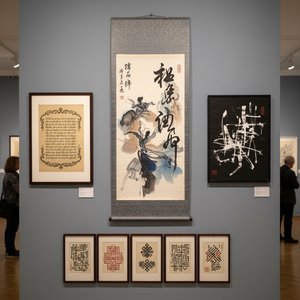
Untitled (DD2DKZ)

Exquisite Japanese calligraphy by Ashikaga Yoshimitsu – a rare aged paper piece showcasing traditional brushwork & historical significance. Discover this unique art.

Ashikaga Yoshimitsu (1358-1408): 3rd Ashikaga Shogun, patron of Zen Buddhism & art. Unified Japan, fostered Sino-Japanese trade. Explore his legacy!

手描き油彩複製画

当社のアーティストが、お客様のご希望のサイズと額縁に合わせて、キャンバスに手描きで制作する油彩画です。 (プリントを購入 プリントを購入画像を購入 画像を購入)

標準サイズ
オーダーメイド
CM
INCH

作品のオリジナル比率に合わせた、当店の規定サイズからお選びください。

高さ

特定のフレームやスペースに合わせて、ご希望のサイズをご入力いただけます。選択されたサイズが元の画像の比率と異なる場合、アートワークをトリミングするか、手描きで要素を追加して絵画を拡張いたします。デジタルモックアップ を制作し、制作開始前にご確認(承認)をいただきます。
画面上のプレビューは、実際のトリミングや拡張を正確に反映しているものではありません。最終的な構図は、モックアップによってのみ正確にご確認いただけます。
カスタムサイズもご利用いただけますが、元の比率を維持するためには、あらかじめ用意されたリストからサイズを選択することをお勧めいたします。

カスタマイズの例:顔をお客様の写真に置き換える、ペットを追加する(例:猫を犬に変更)、背景に隠れたメッセージを入れる、背景の風景や要素を変更するなど。
ご注文後、WahooArt.com チームより詳細な指示をお送りするとともに、仕上がりイメージ(モックアップ)をご提供いたします。

世界中への配送()は、通常の5週間ではなく、3〜4週間でお届けいたします。(27 8月)。品質には一切妥協いたしません。

why_choose_icon
世界中へ無料エクスプレス配送
why_choose_icon
高品質なリネンキャンバス
why_choose_icon
配送時完全保険付
why_choose_icon
関税・輸入税の払い戻し保証
why_choose_icon
忠実な色彩再現保証
why_choose_icon
60日間返品保証(製造上の欠陥のみ)
why_choose_icon
100% 全額返金保証
why_choose_icon
まとめ買い割引のご案内

合計金額

$ 272

reproduction

Untitled (DD2DKZ)

複製技法

複製画のサイズ

-

合計金額

$ 272


アーティストの略歴

Ashikaga Yoshimitsu: A Life of Power and Patronage

Early Life and Ascension

  • Ashikaga Yoshimitsu (September 25, 1358 – May 31, 1408) was the third shōgun of the Ashikaga shogunate, ruling Japan during the Muromachi period.
  • Born in Kyoto as Haruō, he was the oldest surviving son of Ashikaga Yoshiakira.
  • He ascended to the position of shōgun at the young age of ten in 1368, inheriting a hereditary title that commanded the military estate.
  • By twenty, Yoshimitsu had gained prominence within the imperial court, serving as acting grand counselor (gon dainagon).

Political and Institutional Reforms

  • In 1379, Yoshimitsu initiated a significant reorganization of the *gozan zen* (Five Mountain Zen) establishment, solidifying its institutional framework.
  • He broke precedent in 1381 by becoming the first member of the samurai class to host a reigning emperor at his private residence – a demonstration of growing shogunal power.
  • A pivotal achievement was his successful negotiation in 1392, bringing an end to the Nanboku-chō imperial schism that had divided Japan for over half a century.
  • Further elevating his status, he became grand chancellor of state (daijō daijin) in 1394, the highest rank within the imperial court.

Retirement and Cultural Flourishing

  • Yoshimitsu retired from public office in 1395, taking religious vows and retreating to his lavish retirement villa, Kitayama-dono.
  • Kitayama-dono was renowned for its opulence, most notably the Kinkaku Shariden (Golden Pavilion), two-thirds covered in gold leaf – a symbol of Yoshimitsu’s wealth and power.
  • During his retirement, he received envoys from both the Ming and Joseon courts on at least six occasions, establishing crucial trade relations with China that lasted over a century.

Diplomacy and Recognition

  • Yoshimitsu skillfully navigated diplomatic complexities, often employing displays of subservience to secure favorable terms from the Ming dynasty.
  • In recognition of his efforts, the Chinese sovereign bestowed upon him the title “King of Japan” (Nihon Kokuō).
  • In 1407, he ambitiously attempted to assume the title *daijō tenno* – a designation typically reserved for retired emperors. Though unrealized due to his death, this move underscored his desire for ultimate authority.

Artistic and Religious Legacy

  • Late in his career, Yoshimitsu increasingly sought to legitimize his power through the lens of Buddhist kingship.
  • He employed elaborate rituals, symbolic imagery, and monumental architecture – like Kitayama-dono – to portray himself as a universal monarch or *dharma king*, mirroring rulers in Southeast Asia.
  • His posthumous name was Rokuon'in (鹿苑院), further cementing his place in Japanese history.

Historical Significance

  • Yoshimitsu’s reign marked a golden age for Zen Buddhism, art, and architecture during the Muromachi period.
  • His diplomatic achievements fostered cultural exchange and economic prosperity.
  • He is remembered as a complex figure – a powerful shogun who skillfully balanced political ambition with artistic patronage and religious devotion.
  • His legacy continues to influence Japanese culture and aesthetics today.
Ashikaga Yoshimitsu

Ashikaga Yoshimitsu

1358 - 1408 , Japan

基本情報

  • Birth Date: September 25, 1358
  • Birth Place: Kyoto, Japan
  • Death Date: May 31, 1408
  • Movement: Muromachi period art & architecture
  • Name: Ashikaga Yoshimitsu
  • Nationality: Japanese
  • Notable Works: Kitayama-dono villa (Kinkaku-ji)