
 Acrylic On CanvasWallArtBaroque Realism
 1611
1611 159.0 x 126.0 cm
 カポディモンテ美術館
当社のアーティストが、お客様のご希望のサイズと額縁に合わせて、キャンバスに手描きで制作する油彩画です。 ( プリント版に切り替え デジタル画像販売へ切り替え)





























作品のオリジナル比率に合わせた、当店の規定サイズからお選びください。

特定のフレームやスペースに合わせて、ご希望のサイズをご入力いただけます。選択されたサイズが元の画像の比率と異なる場合、アートワークをトリミングするか、手描きで要素を追加して絵画を拡張いたします。デジタルモックアップ を制作し、制作開始前にご確認(承認)をいただきます。
画面上のプレビューは、実際のトリミングや拡張を正確に反映しているものではありません。最終的な構図は、モックアップによってのみ正確にご確認いただけます。
カスタムサイズもご利用いただけますが、元の比率を維持するためには、あらかじめ用意されたリストからサイズを選択することをお勧めいたします。

Judith Beheading Holofernes
複製画のサイズ
Artemisia Gentileschi’s “Judith Beheading Holofernes,” painted in 1611, isn’t merely a biblical scene rendered on canvas; it’s a visceral eruption of defiance and a profound exploration of female agency. This arresting work, measuring 159 x 126 cm, immediately commands attention with its stark realism and the unsettling intensity of its central figures. The painting depicts the pivotal moment from the Book of Judith, where the Jewish widow Judith, aided by her maidservant Abra, slays the Assyrian general Holofernes after drugging him and presenting him to his soldiers as a severed head. It’s a story steeped in revenge, courage, and ultimately, liberation – themes that resonate powerfully within Gentileschi's masterful execution.
The scene unfolds within a dimly lit chamber, the shadows emphasizing the drama and creating an atmosphere of palpable tension. The composition is remarkably dynamic; Judith, clad in a striking blue dress—a deliberate choice by the artist, likely referencing royalty and divine authority – dominates the foreground, her face etched with grim determination as she wields the sword with brutal efficiency. Holofernes lies sprawled on his bed, his body contorted in a grotesque tableau of defeat. The secondary figures, standing to the left and behind Judith, are rendered with a subtle yet crucial awareness, their expressions conveying shock, horror, and perhaps even a hint of admiration for Judith’s decisive action. The use of chiaroscuro, borrowed directly from Caravaggio's revolutionary style, intensifies the emotional impact, highlighting key elements while plunging the rest into shadow – a technique that amplifies the sense of immediacy and violence.
Artemisia Gentileschi’s artistic approach was profoundly shaped by her father, Orazio Gentileschi, a painter who himself admired Caravaggio. However, Artemisia didn't simply imitate; she transformed these influences into something uniquely her own. Her style is characterized by an unflinching realism and a dramatic use of light and shadow – qualities that were rarely afforded to female artists at the time. Notice how she doesn’t shy away from depicting the brutality of the act, presenting it with a stark honesty that was considered shocking for its era. The musculature of Holofernes is rendered with anatomical precision, emphasizing his vulnerability and defeat. Conversely, Judith's physique is powerfully sculpted, conveying strength and resolve.
Beyond its immediate depiction of a violent act, “Judith Beheading Holofernes” is rich in symbolic meaning. Judith’s act of decapitation represents not just personal revenge but also the liberation of her people from Assyrian oppression. The blue dress she wears symbolizes her elevated status and divine favor – suggesting that she is acting as an instrument of justice and a champion of her nation. Holofernes himself embodies tyranny and foreign domination, his demise signifying the triumph of righteousness over evil. The painting subtly challenges patriarchal power structures by portraying a woman taking control of her own destiny and enacting retribution against a powerful male figure.
WahooArt offers meticulously crafted hand-painted reproductions of Artemisia Gentileschi’s “Judith Beheading Holofernes,” allowing you to experience the raw power and emotional depth of this iconic work in your own space. These reproductions capture not only the visual details but also the artist's masterful use of light, shadow, and composition. Whether adorning a grand salon or a more intimate setting, this painting’s dramatic intensity will undoubtedly serve as a focal point, sparking conversation and reflecting on themes of courage, resilience, and the enduring strength of the female spirit. Consider it an investment in art history—a testament to one of the most remarkable artists of the Baroque period.


1593 - 1656 , イタリア

Explore the profound resurgence of female masters Artemisia Gentileschi and Berthe Morisot. Discover how their revolutionary use of light, shadow, and intimacy redefined art history and continues to inspire sophisticated modern collections.

Discover the profound emotional power of Baroque painting. Explore the mastery of chiaroscuro, the realism of Caravaggio, and the dramatic interplay of light and shadow in this expert guide for classical art enthusiasts and collectors.

Explore the breathtaking drama of the Baroque era. From the mastery of chiaroscuro to epic mythological narratives, discover a definitive guide to art's most powerful period of light, shadow, and emotion for the true classical art enthusiast.
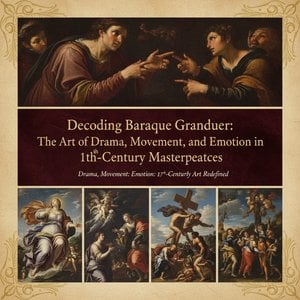
Explore the dramatic intensity of 17th-century Baroque art. From chiaroscuro to emotional narratives, discover how the era's grandeur continues to inspire elite collectors and sophisticated interiors through museum-quality oil reproductions.
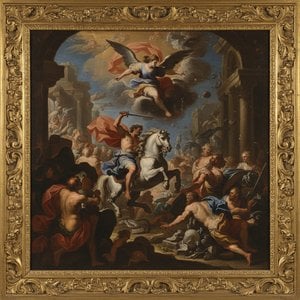
Explore the breathtaking power of Baroque art. Delve into the dramatic interplay of light, shadow, and motion through the works of masters like Caravaggio. Discover how the era's intense emotional realism continues to inspire collectors and connoisseurs of classical grandeur.


 プレビュー
プレビュー
 シェアする
シェアする シェアする
シェアする
 詳細を見る
詳細を見る

 ダウンロード
 似ている作品
 X線調査
X線調査 スライドショー
 統計情報
統計情報 詳細を見る
詳細を見る









 ガラスオプションは、110cm未満のサイズでのみご利用いただけます。


