


スピーディーな制作と多彩な仕上げオプションが魅力の、ミュージアムクオリティなジークレー・キャンバスプリント。 ( 手描き複製画を注文する デジタル画像販売へ切り替え)





























作品のオリジナル比率に合わせた、当店の規定サイズからお選びください。

額縁や壁のスペースに合わせて、ご希望の幅と高さを入力してください。プリントはカットすることは可能ですが、元の画像より大きくすることはできないため、異なる比率のサイズを選択された場合は、画像の一部が欠けることになります。印刷を開始する前に、内容を確認していただくためのデジタルモックアップをお送りいたします。このページに表示されている画像は、実際のカット後の状態を示すものではありません。実際の仕上がりはモックアップにてご確認ください。
Veritas
複製画サイズ一覧
In this somber monochrome portrait, the figure of Veritas emerges from a deep, undifferentiated void. Painted by Arnold Böcklin about 1881, the work presents a female personification of Truth. She holds a long, slender sword upright in her right hand, a gesture that feels both steady and unyielding. Her gaze is direct, meeting the viewer with a stoic expression that suggests a quiet, piercing revelation. There is a sense of stillness here, as if she exists in a space removed from the passage of time.
The subject possesses a statuesque quality, her form rendered with a luminous skin texture that contrasts against the dark background. Fine, translucent folds of draped fabric fall from her head, adding a layer of soft, organic detail to her classical silhouette. The sharp, vertical line of the blade cuts through the composition, providing a rigid counterpoint to the curves of her anatomy. She does not merely exist within the frame; she commands the space with a presence that feels both ancient and immediate.
Through this allegorical lens, Arnold Böcklin explores themes of purity and strength. The grayscale palette strips away the distraction of color, forcing a confrontation with the subject's intense, singular purpose. Every shadow and highlight works to define her form, creating a sense of shallow depth that keeps the focus entirely on her unwavering stare and the metallic sheen of her weapon. Truth stands before us, stripped of ornament, defined only by her essence and her steel.
The composition centers on a vertical portrait, drawing the eye immediately to the upper torso and head of the woman. She holds a long, slender sword upright in her right hand, a sharp verticality that cuts through the space. This straight, rigid line of the blade provides a striking contrast to the soft, organic curves of her anatomy. The subject gazes directly toward the viewer with a stoic expression, her eyes meeting the observer in a moment of unyielding presence. Everything about her posture suggests a stillness that is both heavy and resolute.
Light and shadow perform a dramatic dance across the figure, creating a strong chiaroscuro effect. This interplay of light pulls her form out of a dark, undifferentiated void, giving the portrait a sense of shallow depth. The color palette remains strictly grayscale, stripping away the distraction of hue to focus entirely on the interplay of tone. One can almost feel the textures through the visual shifts: the smooth, luminous quality of the skin contrasts against the metallic sheen of the blade and the fine, translucent folds of the draped fabric falling from her head.
The work emerges from a style of academic realism infused with heavy allegorical symbolism. Every brushstroke seeks to ground the ethereal subject in a tangible, physical reality. This sense of presence is heightened by the medium, as the piece appears to be executed in oil on a small panel or canvas. The intimate scale of 27.4 x 21.8cm forces a close encounter with the subject, demanding a quiet, focused gaze to fully register the subtle shifts in light and form. It is a work that feels contained, as if the energy of the figure is being held within its modest boundaries.
A profound darkness defines the environment, with a background of deep black void that offers no sense of horizon or distance. This lack of setting pushes the figure forward, creating a sharp, dramatic contrast between the luminous skin and the surrounding nothingness. The light seems to strike the subject from an unseen source, carving out the anatomy with precision. This technique creates a sense of weight and volume, making the figure feel as though she is stepping out from the shadows into the viewer's immediate space. The composition remains fixed and steady, anchored by the verticality of the sword and the stillness of the pose.
Created about 1881, the painting relies on the interplay of light and shadow to define its narrative. The textures of the draped fabric and the metallic edge of the blade emerge from the darkness through careful application of pigment. There is a tension between the soft, organic lines of the human form and the rigid, unyielding geometry of the weapon. This visual dialogue between the living and the inanimate reinforces the allegorical weight of the scene, leaving the viewer to wonder at the silent strength held within this monochrome realm.
いいえ、作品は国外に保管されています。「Veritas」はドイツに所蔵されていますが、アルノルト・ベックリンの出生地はスイスです。
「Veritas」は、アルノルト・ベックリンのMature Periodを象徴する作品です。
アルノルト・ベックリンによる「Veritas」はパブリックドメイン(著作権消滅)です。著作権の保護期間は作者の没年から起算されますが、アルノルト・ベックリンは1901年に亡くなっています。

スイスのバーゼルは、目に見える現実と、幽玄なる精神世界との間の緊張感によって定義される、ある生涯の始まりの地となりました。1827年10月16日、クリスティアン・フリードリヒ・ベックリンとウルシュラ・リッペの間に生まれた若き日のアーノルド・ベックリンは、父の営む絹織物貿易の世界を離れ、デュッセルドルフ美術アカデミーの厳格な学び舎へと身を投じます。シラーマンの指導のもと、彼は風景が持つ言語を吸収し始めましたが、その技術は後に、人間の魂の地誌を描き出すために用いられることとなります。彼は単に景色を描いたのではありません。古典的な美と、死の影を孕んだ不気味なものが衝突する、独自の領域を構築したのです。
アカデミックな規律に満ちたデュッセルドルフから、パリの光、そして古代の重みを湛えたローマへの旅路は、彼のヴィジョンに根本的な変容をもたらしました。ルーヴル美術館において、彼は巨匠たちの歴史を吸収しましたが、彼の筆致を真に形作ったのはイタリアの空気感でした。1862年から1866年にかけてのローマ滞在期、彼のパレットはより激しく、表現力豊かな色彩を好むようになります。それはルネサンス期の陽光溢れる明るいイタリアではなく、深い影と神話的な重みを湛えた場所でした。彼の作品は寓意的な表現へと傾倒し、古代の登場人物たちを用いて、逃れることのできない「死」という重苦しい存在を探求し始めたのです。
19世紀後半、彼の名声を決定づけたのは、ある特定の、心を捉えて離さない執着でした。1880年から1886年にかけて、彼は死の島の5つのバージョンを描き上げました。娘が埋葬されたフィレンツェの英国人墓地に触発されたこの作品は、象徴主義運動の焦点となりました。それは、岩の小島、暗い糸杉、そして静かな岸辺へと近づく一艘の小舟という、深い静寂に包まれた情景です。この絵画は単に場所を描写しているのではなく、一つの「存在の状態」を描いているのです。夢の囁きや、死後の世界の重みといった、形のないものを描き出すこの能力が、彼を新たなヨーロッパの感性の中心へと押し上げました。
彼の技術的なアプローチは、特にLa Guerre(1896年)のような作品に見られるように、厚く表現力豊かなインパスト(厚塗り)を多用することがありました。この作品において、キャンバスは紛争の混沌によって震えています。彼は伝統的な様式の整った線を避け、崩れゆく建築物の中で人物たちが衝突し合う、密度の高い重層的な構成を選びました。それは破壊の生々しい顕現であり、神話と現実の境界が影の嵐の中に溶け去っていく様を描いています。彼のスタイルはラファエル前派と共鳴しながらも、古代的でありながら、どこか不安をかき立てるほどにモダンな神秘主義に焦点を当てた、独自の地位を築いていました。
彼のイメージが放つ影響力は、キャンバスを越えて、後期ロマン派音楽という聴覚の領域にまで及びました。彼の絵画は作曲家たちに視覚的な刺激を与え、とりわけグスタフ・マーラーの作品の持つ雰囲気には多大な影響を及ぼしました。視覚的なものと心理的なものの隔たりを埋める彼の能力は、潜在意識を描き出そうとする表現者たちに深く浸透しました。その影響は、幾世代もの芸術家たちに触れていったのです。
彼はイタリアのフィエーゾレでその生涯を閉じ、容易には分類し得ない膨大な作品群を遺しました。スイスの風景、ローマの居酒屋、そして神話的な森を描いた画家でありながら、彼の真の主題は、常に「未知なるもの」の静かで永続的な存在にありました。彼の傑作は、現在もバーゼル美術館やチューリッヒ・クンストハウスを含む重要なコレクションに収蔵され、神話と死の交差点を探求する者たちの道標として輝き続けています。

1827 - 1901 , スイス
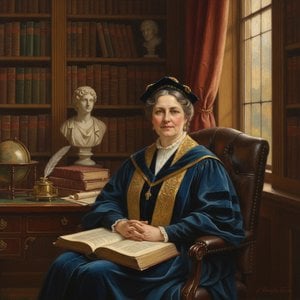
Discover the profound beauty of Academic Portraiture. Explore how classical realism captures prestige through meticulous technique, anatomical truth, and timeless elegance—perfect for discerning collectors seeking museum-quality mastery and historical grandeur.

Explore the clinical precision of German New Objectivity through masters like Otto Dix. Discover the truth behind the Weimar era's raw realism.

Discover the profound beauty of Classical Realism. Explore a curated guide to academic mastery, from technical precision to timeless elegance, perfect for discerning collectors seeking museum-quality excellence and bespoke artistry.

Master the art of decoding hidden symbols and visual allegories in historical masterpieces. Elevate your collection with expert insights.

Decode the profound symbolism of hands in masterworks from Van Gogh to Hindu mudras. Explore the silent language of art with our expert guide.
 設置イメージを表示

 シェアする
 シェアする
 詳細を見る
 ガイドを表示


 ダウンロード
 似ている作品
 X線調査
 スライドショーを表示
 Q&A

 統計情報


 詳細を表示









 ガラスオプションは、110cm未満のサイズでのみご利用いただけます。


