ウェブ上のプレビューを遥かに凌駕する、印刷に最適なファイルをご提供します。当サイトで販売しているすべてのデジタル画像は、弊社のデータベース内にある高解像度のマスターデータ(通常、幅5,000〜15,000ピクセル)から作成されています。そのため、大判印刷や大胆なクロップ、細部まで緻密な再現も、安心してお楽しみいただけます。
当スタジオから送り出される画像は、すべて丁寧に加工されています。デジタルエキスパートが原画と照らし合わせて色調を精査し、必要に応じて補正を行った上で、プロ仕様のリタッチツールを用いて鮮明さと細部を向上させます。その際、アーティストの筆致やスタイルに忠実であることを常に追求しています。その結果、単なるスキャン画像にフィルターをかけたようなものではなく、まるで本物の絵画を見ているかのような仕上がりを実現しています。
仕上がりをご確認いただいてから完了となります。専門スタッフが、ご確認用の画像を72時間以内にメールでお送りいたします。もしご満足いただけない場合は、修正や改善のご要望を承るほか、品質が基準に満たない場合には返金も可能です。
出版社、デザインスタジオ、ギャラリー、そして印刷所から信頼される品質です。
個人での鑑賞、印刷、クリエイティブなプロジェクトにご利用いただける高解像度ファイルをダウンロードできます。 ( プリント版に切り替え 手描き複製画を注文する)
WahooArt.com を選ぶことは、単に画像を手に入れることではありません。プロの手によって精密に仕上げられ、満足保証が付いた高品質なデジタルアートワークを受け取ることを意味します。ご注文いただいた際に自動的に付随する内容は、以下の通りです:
ご注文から72時間以内に、高解像度のデジタル画像ファイルをメールでお送りいたします。お手元に届き次第、すぐにご利用いただけます。
お客様の作品は、高度なAI技術と専門家による手作業を組み合わせてプロフェッショナルに最適化されており、細部のディテール、鮮明さ、そして正確な色再現性を最大限に引き出しています。
ファイルを誤って削除したり、紛失してしまったりしましたか?ご安心ください。いつでも無料で再送いたします。
関税や手数料、配送料を気にすることなく、お気に入りのアートワークをすぐにお楽しみいただけます。デジタルダウンロードは常に免税です。
プロ仕様のツールとカラーマネジメント技術を用いることで、デジタル画像が元の色を最大限に忠実に再現することを保証いたします。
ご購入いただいたデジタル画像にご満足いただけない場合は、100日以内であれば、理由を問わず修正または100%の返金対応をさせていただきます。
ご満足いただけない場合は、デジタルファイルを受け取ってから100日以内であれば、理由を問わず全額返金いたします。
3枚購入で10%OFF、5枚購入で15%OFF、10枚以上のご購入で20%OFF。クリエイティブなプロジェクトやギャラリー、エージェンシーに最適です。
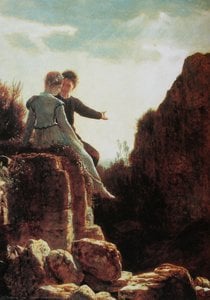
In the quietude of Arnold Böcklin’s 1878 masterpiece, “Centaur Watching Fish,” the viewer is invited into a realm where the boundaries between the mythological and the terrestrial dissolve. This evocative oil on canvas, currently held in the prestigious Kunsthaus Zürich, serves as a profound gateway into the Symbolist movement—a period of art history dedicated to exploring the hidden psychological depths of the human soul. Rather than presenting a mere scene from ancient legend, Böcklin crafts an immersive experience that speaks to the universal themes of solitude and the silent, rhythmic pulse of the natural world. The centaur, a creature of dual nature, reclines upon a serene shoreline, his gaze fixed upon the movement beneath the water's surface, creating a moment of suspended animation that feels both eternal and fleeting.
The composition is masterfully orchestrated to evoke a sense of Romantic reverie. Utilizing a horizontal format, Böcklin emphasizes the reclining posture of the centaur, grounding the mythological figure within a landscape of soft sands and swaying grasses. The artist deliberately eschews the rigid precision of strict realism in favor of an emotional truth. Through the use of diffused lighting and gentle shadows, he establishes an atmosphere of melancholic stillness. This technique allows the viewer to feel the weight of the silence, as if the very air around the creature is heavy with contemplation. It is a painting that does not demand attention through spectacle, but rather earns it through a subtle, haunting intimacy.
Technically, “Centaur Watching Fish” is a triumph of texture and perspective. Böcklin employs the impasto technique with remarkable skill, applying thick, deliberate layers of paint to render the coarse fur of the centaur’s equine half. This tactile richness provides a palpable sense of physicality, making the creature feel present and breathing within the frame. To balance this heavy texture, the artist utilizes atmospheric perspective to create an illusion of infinite depth. By reducing color saturation and softening the details of the distant horizon, he simulates a hazy, dreamlike distance that reinforces the theme of isolation. This method draws a direct lineage from the Romantic masters like Caspar David Friedrich, using the landscape as a mirror for spiritual introspection.
The color palette is a sophisticated arrangement of earthy tones—ochres, deep browns, and muted beiges—which lends the work an organic, timeless quality. These warm, grounded hues are contrasted by the subtle, shimmering light reflecting off the water, drawing the eye toward the focal point of the centaur’s quiet observation. For the collector or interior designer, this piece offers a unique aesthetic versatility; its somber yet tranquil mood provides a sophisticated anchor for a room, offering a sense of historical depth and intellectual gravity that more contemporary works may lack.
Beyond its visual splendor, the painting functions as a complex symbolic tapestry. The centaur itself—a hybrid of human intellect and animal instinct—serves as a powerful metaphor for the duality of existence. As he watches the fish, there is a profound sense of the relationship between humanity and the untamed elements of nature. The act of watching becomes a meditation on mortality; the stillness of the figure suggests a resignation to the cycles of life and death that govern both man and beast. There is a touch of sadness in his solitude, yet it is a beautiful, dignified melancholy that celebrates the quiet dignity of existence.
For those seeking to bring a piece of this profound emotional landscape into their personal spaces, a high-quality reproduction of this work offers more than just decoration. It provides a window into a bygone era of artistic exploration, a constant reminder of the beauty found in silence and the enduring power of myth. Whether placed in a library, a study, or a curated gallery space, “Centaur Watching Fish” continues to provoke thought, inviting all who encounter it to pause, breathe, and reflect upon the silent wonders of the world.
アルノルト・ベックリン作「Centaur Watching Fish」の著作権の状態は明確であり、本作はパブリックドメイン(著作権消滅)です。Kunsthaus Zürichに所蔵されているという事実によって、この状態が変わることはありません。
「Centaur Watching Fish」はSymbolismの様式に属しており、その作者は19世紀の時代に活動していました。
アルノルト・ベックリン作「Centaur Watching Fish」のカラーパレットはEarthyと表現されており、作品の色使いを簡潔に表しています。

スイスのバーゼルは、目に見える現実と、幽玄なる精神世界との間の緊張感によって定義される、ある生涯の始まりの地となりました。1827年10月16日、クリスティアン・フリードリヒ・ベックリンとウルシュラ・リッペの間に生まれた若き日のアーノルド・ベックリンは、父の営む絹織物貿易の世界を離れ、デュッセルドルフ美術アカデミーの厳格な学び舎へと身を投じます。シラーマンの指導のもと、彼は風景が持つ言語を吸収し始めましたが、その技術は後に、人間の魂の地誌を描き出すために用いられることとなります。彼は単に景色を描いたのではありません。古典的な美と、死の影を孕んだ不気味なものが衝突する、独自の領域を構築したのです。
アカデミックな規律に満ちたデュッセルドルフから、パリの光、そして古代の重みを湛えたローマへの旅路は、彼のヴィジョンに根本的な変容をもたらしました。ルーヴル美術館において、彼は巨匠たちの歴史を吸収しましたが、彼の筆致を真に形作ったのはイタリアの空気感でした。1862年から1866年にかけてのローマ滞在期、彼のパレットはより激しく、表現力豊かな色彩を好むようになります。それはルネサンス期の陽光溢れる明るいイタリアではなく、深い影と神話的な重みを湛えた場所でした。彼の作品は寓意的な表現へと傾倒し、古代の登場人物たちを用いて、逃れることのできない「死」という重苦しい存在を探求し始めたのです。
19世紀後半、彼の名声を決定づけたのは、ある特定の、心を捉えて離さない執着でした。1880年から1886年にかけて、彼は死の島の5つのバージョンを描き上げました。娘が埋葬されたフィレンツェの英国人墓地に触発されたこの作品は、象徴主義運動の焦点となりました。それは、岩の小島、暗い糸杉、そして静かな岸辺へと近づく一艘の小舟という、深い静寂に包まれた情景です。この絵画は単に場所を描写しているのではなく、一つの「存在の状態」を描いているのです。夢の囁きや、死後の世界の重みといった、形のないものを描き出すこの能力が、彼を新たなヨーロッパの感性の中心へと押し上げました。
彼の技術的なアプローチは、特にLa Guerre(1896年)のような作品に見られるように、厚く表現力豊かなインパスト(厚塗り)を多用することがありました。この作品において、キャンバスは紛争の混沌によって震えています。彼は伝統的な様式の整った線を避け、崩れゆく建築物の中で人物たちが衝突し合う、密度の高い重層的な構成を選びました。それは破壊の生々しい顕現であり、神話と現実の境界が影の嵐の中に溶け去っていく様を描いています。彼のスタイルはラファエル前派と共鳴しながらも、古代的でありながら、どこか不安をかき立てるほどにモダンな神秘主義に焦点を当てた、独自の地位を築いていました。
彼のイメージが放つ影響力は、キャンバスを越えて、後期ロマン派音楽という聴覚の領域にまで及びました。彼の絵画は作曲家たちに視覚的な刺激を与え、とりわけグスタフ・マーラーの作品の持つ雰囲気には多大な影響を及ぼしました。視覚的なものと心理的なものの隔たりを埋める彼の能力は、潜在意識を描き出そうとする表現者たちに深く浸透しました。その影響は、幾世代もの芸術家たちに触れていったのです。
彼はイタリアのフィエーゾレでその生涯を閉じ、容易には分類し得ない膨大な作品群を遺しました。スイスの風景、ローマの居酒屋、そして神話的な森を描いた画家でありながら、彼の真の主題は、常に「未知なるもの」の静かで永続的な存在にありました。彼の傑作は、現在もバーゼル美術館やチューリッヒ・クンストハウスを含む重要なコレクションに収蔵され、神話と死の交差点を探求する者たちの道標として輝き続けています。

1827 - 1901 , スイス
 設置イメージを表示
 シェアする
シェアする シェアする
シェアする
 詳細を見る
詳細を見る ガイドを表示

 ダウンロード
 似ている作品
 X線調査
X線調査 スライドショーを表示
 Q&A
Q&A
 統計情報
統計情報


 詳細を表示
詳細を表示