
 WatercolorWallArtBombay School
 1931Modern
 55.0 x 69.0 cm
 Museu do Oriente
当社のアーティストが、お客様のご希望のサイズと額縁に合わせて、キャンバスに手描きで制作する油彩画です。 ( プリント版に切り替え デジタル画像販売へ切り替え)





























作品のオリジナル比率に合わせた、当店の規定サイズからお選びください。

特定のフレームやスペースに合わせて、ご希望のサイズをご入力いただけます。選択されたサイズが元の画像の比率と異なる場合、アートワークをトリミングするか、手描きで要素を追加して絵画を拡張いたします。デジタルモックアップ を制作し、制作開始前にご確認(承認)をいただきます。
画面上のプレビューは、実際のトリミングや拡張を正確に反映しているものではありません。最終的な構図は、モックアップによってのみ正確にご確認いただけます。
カスタムサイズもご利用いただけますが、元の比率を維持するためには、あらかじめ用意されたリストからサイズを選択することをお勧めいたします。

Nasik Scene II
複製画のサイズ
In the delicate, luminous layers of António Xavier Trindade’s Nasik Scene II, we are invited to step through a portal into the vibrant, rhythmic pulse of 1930s India. This exquisite watercolor is far more than a mere topographical record; it is a breathing, breathing moment captured in time. As the eye wanders across the composition, one immediately feels the warmth of the sun and the gentle humidity of the Godavari River region. The artist, a master of the Bombay School, utilizes the inherent transparency of the watercolor medium to mimic the way light filters through the atmosphere of Northern Nasik. Through his quick, confident brushstrokes, the bustling street scene comes alive, offering a sense of movement that suggests the constant flow of pilgrims, traders, and locals navigating their daily rituals.
The composition is anchored by a profound sense of community and shared space. Under the protective canopy of large, sun-drenched umbrellas, figures gather in quiet conversation or rest amidst the midday heat, creating pockets of intimacy within the larger, more chaotic streetscape. These umbrellas serve as both functional elements of the landscape and symbolic anchors, providing visual relief and structure to the composition. Scattered chairs and benches dot the scene, suggesting a culture that finds repose even amidst the industrious energy of the weekly bazaars. In the distance, the subtle presence of a boat on the waterway hints at the vital connection between the city and the sacred river, reminding the viewer of the spiritual lifeline that flows through this historic pilgrimage site.
Trindade’s technical prowess is most evident in his ability to balance documentary precision with an impressionistic flair. Having honed his skills through the rigorous curriculum of the J.J. School of Arts, he possessed a deep understanding of how to observe and translate daylight onto paper. In Nasik Scene II, this mastery manifests as a luminous quality that seems to radiate from within the paper itself. The artist employs a vibrant palette that captures the earthy tones of the architecture alongside the brilliant, saturated colors of Indian textiles and street life. His technique allows for a "quick practice" style—a skill developed during outdoor sketching sessions—which lends the work an authentic, spontaneous energy that more labored oil paintings often lack.
For the discerning collector or interior designer, this piece offers a sophisticated interplay of color and light that can transform any space. The artwork does not merely decorate a wall; it introduces a narrative of cultural heritage and serene vitality. Its ability to evoke the "Rembrandt of the East" through its nuanced use of shadow and highlight makes it a centerpiece of immense character. Whether placed in a contemporary gallery setting or a classic, richly textured study, Nasik Scene II serves as an evocative conversation starter, bridging the gap between the historical splendor of colonial India and the timeless beauty of the natural landscape.


1870 - 1935 , インド
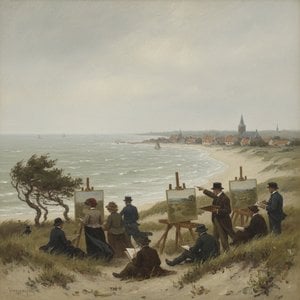
Explore the ethereal beauty of the Hague School art movement. Discover how masters like Jan Weissenbruch captured the atmospheric grey light of the Dutch landscape through unparalleled technique and emotive, misty compositions.

Discover the ethereal beauty of watercolor through an art-historical lens. Master the delicate balance of light, fluidity, and pigment to capture the luminous essence of nature, inspired by the legendary techniques of the Old Masters and Impressionist greats.

An expert guide for art collectors exploring the chemistry and artistry of oil, acrylic, tempera, and watercolor. Discover how medium specificity and material integrity define the longevity and value of fine art masterpieces.

Discover the ethereal beauty of premium watercolor reproductions and bespoke commissions at WahooArt. From museum-quality landscapes to custom AI-enhanced portraits, our master artists deliver unparalleled craftsmanship and white-glove service for discerning collectors worldwide.


 プレビュー
プレビュー
 シェアする
シェアする シェアする
シェアする
 詳細を見る
詳細を見る ガイド
ガイド

 ダウンロード
 似ている作品
 X線調査
X線調査 スライドショー
 統計情報
統計情報 詳細を見る
詳細を見る









 ガラスオプションは、110cm未満のサイズでのみご利用いただけます。


