
 CarvedArt Informel
 1989Contemporary
 18.0 x 23.0 cm
 Szépművészeti Múzeum
このページに掲載されている作品は著作権法によって保護されており、当社の許可なく同一の複製物を制作または販売することは法律で禁じられています。この保護は、以下のような国際条約に基づき執行されます。 ベルヌ条約 および、以下の条項に定められたものを含む各国の法律により、 米国著作権法 第17編。
この手法は、著作権で保護された作品の複製や複写を伴わないため、著作権法に完全に準拠しています。これは単なる模倣ではなく、創造的な再解釈です。元の作品からインスピレーションを受けつつも、それとは異なる、全く新しい絵画を生み出すものです。
スピーディーな制作と多彩な仕上げオプションが魅力の、ミュージアムクオリティなジークレー・キャンバスプリント。 ( 手描きの複製画を注文する デジタル画像販売へ切り替え)
作品のオリジナル比率に合わせた、当店の規定サイズからお選びください。

額縁や壁のスペースに合わせて、ご希望の幅と高さを入力してください。プリントはカットすることは可能ですが、元の画像より大きくすることはできないため、異なる比率のサイズを選択された場合は、画像の一部が欠けることになります。印刷を開始する前に、内容を確認していただくためのデジタルモックアップをお送りいたします。このページに表示されている画像は、実際のカット後の状態を示すものではありません。実際の仕上がりはモックアップにてご確認ください。
Gothic Box
複製画サイズ一覧
In the realm of contemporary art, few voices resonate with the raw, tactile intensity of Antoni Tàpies. His work Gothic Box, created in 1989, serves as a profound testament to his philosophy of pintura matèrica—a style where the physical substance of the medium becomes the very language of the soul. This piece is not merely an object to be observed; it is an encounter with texture and history. At first glance, the viewer is drawn into a miniature world of weathered surfaces and intricate carvings that evoke the ancient and the eternal. The box, appearing as a fusion of stone and wood, carries a rustic, primordial energy that suggests it has been unearthed from a forgotten corner of Catalan history.
The artistry lies in the delicate balance between spontaneous gesture and deliberate craftsmanship. Tàpies believed that any mark expressing the human condition—even something as fleeting as graffiti on a wall—held more value than the sterile perfection of traditional museum pieces. In Gothic Box, we see this manifested through the detailed carvings of a bird and a fish, symbols that dance across the surface with a quiet, organic grace. These motifs, paired with the enigmatic letter "G" etched into the corner, invite the observer to contemplate personal inscriptions and the layers of identity that define us. The piece breathes with a life force that transcends its small 18 x 23 cm dimensions, offering a window into a universe where every scratch and indentation tells a story.
To possess or display a reproduction of this work is to invite a sense of profound depth into a space. For the discerning collector or interior designer, Gothic Box offers more than just aesthetic appeal; it provides a focal point of intellectual and emotional gravity. The technique employed by Tàpies involves an experimental use of non-traditional materials—clay, marble dust, and organic debris—to create a surface that feels alive to the touch. Even in a high-quality reproduction, the illusion of this rugged, sculptural relief is maintained, allowing the interplay of light and shadow to animate the carved figures of the bird and fish.
The emotional impact of the piece is one of quiet introspection. It evokes the feeling of holding a relic, a sacred object that bridges the gap between the ephemeral present and the enduring past. The muted, earthy tones and the weathered appearance of the "stone-like" wood create an atmosphere of serenity and strength. Whether placed in a minimalist modern gallery or nestled within a richly textured study, this artwork acts as an anchor, grounding the surrounding environment with its historical weight and artistic integrity. It is a celebration of the beauty found in imperfection, making it an essential acquisition for those who find inspiration in the rugged, the authentic, and the deeply human.
Antoni Tàpies作「Gothic Box」 の色彩分析は、Bold なコントラストと Unified Palette な調和を記録しています。
Antoni Tàpies作「Gothic Box」は、彩度Mutedで記録されています。
「Gothic Box」の彩度はBalancedです。彩度とは、色の鮮やかさの度合いを表します。


1923 - 2012 , Spain

Explore the profound emotional depth of Van Gogh's impasto technique. Discover how his sculptural brushstrokes and textured oil layers define Post-Impressionism through an expert art-historical lens, perfect for discerning collectors and fine art enthusiasts.

Explore the profound history and intricate techniques of woodblock printing. From Ukiyo-e masterpieces to the mastery of texture and grain, discover an expert guide to this timeless art form designed for discerning collectors and art enthusiasts.

Discover the exquisite mastery of pastel and chalk in fine art. Explore how texture, light, and softness create depth in Impressionist masterpieces and learn to curate these velvety textures for sophisticated, luxury interiors with expert guidance.
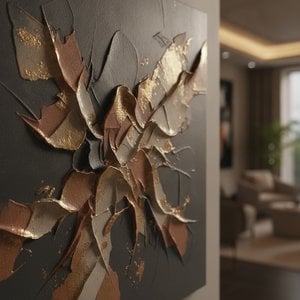
Elevate hospitality interiors with the sculptural depth of plaster and impasto art. Explore how tactile textures and relief techniques create immersive, luxurious environments for modern hotel design through expert curation and bespoke fine art commissions.


 送る
送る シェア
シェア
 詳細情報
詳細情報 ガイドを表示

 画像をダウンロード
 似ている作品
 スライドショー
 統計情報
統計情報 続きを読む
続きを読む






































 ガラスオプションは、110cm未満のサイズでのみご利用いただけます。


