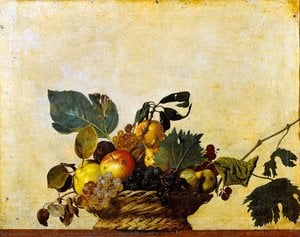
オンラインプレビューをはるかに凌ぐ、高解像度で鮮明なデジタル画像をご購入いただけます。
各ファイルは、社内の専門家が高度なツールと熟練した手作業によるレタッチを用いて、細心の注意を払って準備されています。すべての画像において、卓越した鮮明度、正確な色彩再現性、そして繊細なディテールを保証いたします。
最終ファイルは、プロフェッショナルな編集・印刷環境ですぐにご利用いただけるよう最適化された状態で、72時間以内にメールにてお届けいたします。これは、一流のデザインスタジオ、出版社、ギャラリーから信頼されているものと同等の品質です。
WahooArt.com を選ぶことは、単に画像を手に入れることではありません。それは、プロの手によって精密に仕上げられ、満足保証が付いた高品質なデジタルアートワークを受け取ることを意味します。ご注文いただいた際に自動的に付随する内容は、以下の通りです:

ご注文から72時間以内に、高解像度のデジタル画像ファイルがメールでお手元に届きます。すぐにそのままご利用いただけます。

お客様の作品は、高度なAIツールと専門家による手作業の編集を組み合わせてプロフェッショナルに最適化されており、細部のディテール、鮮明さ、そして正確な色再現性を最大限に引き出しています。

ファイルを誤って削除したり、紛失してしまったりしましたか?ご安心ください。いつでも無料で再送いたします。

関税や手数料、配送料を気にすることなく、お気に入りのアートワークをすぐにお楽しみいただけます。デジタルダウンロードは常に免税です。

プロ仕様のツールとカラーマネジメント技術を用いることで、デジタル画像が元の色を最大限に忠実に再現することを保証いたします。

ご購入いただいたデジタル画像にご満足いただけない場合は、100日以内であれば、修正または100%の返金(理由を問う必要はありません)をさせていただきます。

ご満足いただけない場合は、デジタルファイルを受け取ってから100日以内であれば、理由を問わず全額返金いたします。

3枚購入で10%OFF - 5枚購入で15%OFF - 10枚以上購入で20%OFF。クリエイティブなプロジェクト、ギャラリー、エージェンシーに最適です。
In the turbulent landscape of early 20th-century Europe, few artists captured the profound psychological shifts of the era as poignantly as Anton Faistauer. Born in 1887 to a farming family near Maishofen, his path was not originally destined for the canvas; he initially harbored ambitions of entering the priesthood. However, fate intervened through a transformative encounter with Albert Paris Gütersloh at the gymnasium in Bolzano. This meeting ignited a passion for painting that would eventually lead him away from theology and toward the radical frontiers of the avant-garde. His formal training, which took him from the private Robert Scheffer Akademie to the prestigious Academy of Fine Arts in Vienna under masters like Alois Delug and Christian Griepenkerl, provided him with a technical foundation that he would later use to dismantle academic tradition.
Faistauer’s artistic identity was forged in rebellion. In 1909, he famously resigned from the Academy, a move that signaled his refusal to adhere to conservative, stagnant dogmas. Alongside luminaries such as Egon Schiele and Anton Kolig, he became a founding member of the Neukunstgruppe, a collective dedicated to protesting academic conventions and advocating for a more visceral, expressive mode of creation. This period of wandering and exploration—stretching through Ticino, Northern Italy, and Berlin—allowed him to absorb diverse influences, refining a style that blended the raw emotion of Expressionism with a unique, symbolic depth. His work began to move beyond mere representation, seeking instead to capture the spiritual and emotional essence of his subjects.
The trajectory of Faistauer’s life was irrevocably altered by the shadows of World War I. Forced back to Maishofen and eventually drafted into the Austro-Hungarian army, he served in a capacity deemed "unsuitable" for combat, yet even amidst the upheaval of war, his creative spirit remained unextinguished. During this period, he maintained a profound connection to the art world, collaborating with Schiele on war art exhibitions and contributing to the reorganization of the Heeresgeschichtliches Museum. These years of forced stillness and military duty paradoxically provided a space for him to deepen his engagement with the symbolic power of art, using the era's collective trauma as a backdrop for his evolving visual language.
The post-war years brought both new beginnings and profound personal tragedy. Settling in Salzburg, Faistauer co-founded the radical group Der Wassermann, continuing his pursuit of experimental aesthetics. Yet, the triumphs of his professional life were often shadowed by loss; the death of his first wife on the eve of their inaugural exhibition cast a long gloom over his later years. Despite facing debilitating lung and stomach disorders that necessitated frequent therapeutic retreats to Bolzano, Faistauer’s productivity remained remarkable. He achieved significant recognition through major commissions, including breathtaking frescoes for the Kleines Festspielhaus in Salzburg and works for religious and aristocratic settings in Bamberg and Vienna.
To look upon a Faistauer painting is to witness a masterclass in texture and emotional resonance. His technique often utilized a rich, textured impasto that gave his surfaces a tactile, living quality. Whether he was rendering a somber portrait or a quiet still life, his use of color was never merely decorative; it was deeply symbolic. In works such as German Gedeckter Tisch, one can observe a post-impressionistic approach where flattened perspectives and vibrant hues create a sense of structured intimacy. Conversely, his watercolors, like the poignant German Anbetung, demonstrate an ability to use transparency and light to evoke religious and spiritual fervor.
The enduring significance of Anton Faistauer lies in his ability to bridge the gap between the traditional and the radical. He did not simply reject the past; he reinterpreted it through a modern lens, infusing classical themes with the anxieties and intensities of the modern age. His legacy remains etched in the history of Austrian Expressionism, serving as a testament to an artist who, despite personal hardship and historical upheaval, remained steadfast in his quest to reveal the hidden truths of the human condition through the transformative power of paint.

1887 - 1930


 プレビュー
プレビュー
 プリントを購入
 シェアする
シェアする シェアする
シェアする
 詳細を見る
詳細を見る

 ダウンロード
 似ている作品
 X線調査
X線調査 スライドショー
 詳細を見る
詳細を見る