
当社のアーティストが、お客様のご希望のサイズと額縁に合わせて、キャンバスに手描きで制作する油彩画です。 ( プリント版に切り替え デジタル画像販売へ切り替え)
作品のオリジナル比率に合わせた、当店の規定サイズからお選びください。

特定のフレームやスペースに合わせて、ご希望のサイズをご入力いただけます。選択されたサイズが元の画像の比率と異なる場合、アートワークをトリミングするか、手描きで要素を追加して絵画を拡張いたします。デジタルモックアップ を制作し、制作開始前にご確認(承認)をいただきます。
画面上のプレビューは、実際のトリミングや拡張を正確に反映しているものではありません。最終的な構図は、モックアップによってのみ正確にご確認いただけます。
カスタムサイズもご利用いただけますが、元の比率を維持するためには、あらかじめ用意されたリストからサイズを選択することをお勧めいたします。

Clothing fabric
複製画のサイズ
In the delicate interplay of color and form found within Clothing fabric, we encounter a profound moment of mid-century textile artistry. Created in 1962, this piece by Anna Borkova serves as a vibrant testament to the artist's ability to transform simple materials into a rhythmic dance of organic life. The composition is a mesmerizing repetition of stylized fruits and verdant leaves, where shades of sun-drenched yellow, earthy brown, and deep forest green emerge against a crisp, clean white background. It is not merely a pattern, but a visual melody that captures the essence of a summer orchard, inviting the viewer to find tranquility within its structured yet fluid design.
The technique employed here leans into an impressionistic abstraction, where the artist eschews rigid outlines in favor of suggestive brushwork and tonal depth. Each circular motif, reminiscent of ripening citrus, is rendered with a soft focus that allows the eye to wander through the texture of the weave. The elongated, dark brown leaf forms act as anchors within the composition, providing a necessary weight that balances the brightness of the yellow accents. This approach creates a tactile sensation even when viewed on a flat surface; one can almost feel the woven structure of the original textile, making it an ideal centerpiece for those looking to introduce organic warmth into a modern interior.
Beyond its decorative charm, the work carries the quiet resilience characteristic of Borkowska’s broader oeuvre. Having lived through the upheavals of Soviet exile and Siberian resettlement, her later works often sought refuge in the beauty of the natural world—a way to weave stability and memory into the very fabric of her art. The choice of a botanical theme is deeply symbolic, representing growth, continuity, and the enduring cycle of life that persists despite historical turbulence. For the discerning collector or interior designer, this reproduction offers more than just aesthetic appeal; it provides a soulful connection to an era where art was used to reclaim beauty from the shadows of history.
Integrating such a piece into a curated space allows for a sophisticated layering of textures and themes. Whether placed in a sunlit breakfast nook to evoke a Mediterranean freshness or used as a subtle accent in a minimalist study, Clothing fabric brings an unmistakable sense of heritage and organic elegance. It is a masterful example of how textile art can transcend its functional origins to become a profound expression of light, color, and the human spirit.

アンナ・ボルコフスカ(1916–2008)の生涯は、追放、生存、そして決して屈することのない創造的精神という糸で織り上げられた、深遠なタペストリーそのものでした。ミコロウに生まれた彼女の若き日々は、第二次世界大戦の影と、それに続くソビエトによるポーランド占領という、20世紀の激動によってその運命を塗り替えられました。シベリアへの再定住という過酷な現実に直面したボルコフスカは、故郷の脆さと、亡命という重圧を身をもって体験しました。しかし、この苦難の試練こそが、彼女の芸術的アイデンتティを形作る器となったのです。それは単なる美的な表現手段にとどまらず、歴史の荒波が消し去ろうとした記憶を保存するための、極めて重要な手段となりました。
同時代の多くの芸術家たちが具象的な絵画という伝統的な領域に安らぎを求めた一方で、ボルコフスカはテキスタイル・アートという、触覚的で親密な媒体へと向かいました。彼女にとって布は単なる表面的な素材ではなく、喪失感や郷愁といった形のない感情を収めるための貯蔵庫でした。彼女の作品はしばしば具体的なイメージを避け、洗練された抽象表現へと昇華されています。そこにはバルト海の憂いを含んだ美しさを呼び起こすような色彩設計が用いられていました。これらの涼やかなブルーや移ろいゆく色調は、記憶の静寂と、彼女自身の人生の旅路における激しい潮流の両方を象徴する視覚的なメタファーとなっていました。緻密な職人技を通じて、彼女は布を潜在意識の風景へと変容させ、一針一針の刺繍や染めが、脆弱さの中に宿る不屈の強さを表現していたのです。
ボルコフスカが深い人間的つながりを伝える能力は、織機や水彩筆の枠を遥かに超えて広がっていました。彼女は視覚芸術と演劇的パフォーマンスの隔たりを埋めることができる、稀有で共感に満たされた存在感を備えていました。この独特な感受性は、ジャファル・パナヒ監督の映画史に残る傑作『白玉』(1995年)への出演によって、国際的な称賛を浴びることとなります。慈愛に満ちた老女を演じた際、彼女は自らが経験したレジリエンス(回復力)を投影することで、世界中の観客の心に響くキャラクターに命を吹き込みました。この役柄は、彼女の二つの世界が交差する切実な瞬間となりました。テキスタイル・デザインに見られる感情の深みが、スクリーン上で人間同士のつながりの本質を捉える力として、そのまま反映されていたのです。
彼女の作品群の重要性は、個人的なトラウマを、再生と癒やしという普遍的なテーマへと昇華させた点にあります。『Clothing Fabric』(1972年)などの代表作は、動きと流動性を捉えた水彩デザインの卓越した技量を示しています。ボルコフスカの芸術を辿ることは、彼女が遺した次のような要素に触れることでもあります。
究極的に、アンナ・ボルコフスカは20世紀美術史における不可欠な人物であり続け、追放された人々の個人的な苦闘と、抽象表現という普遍的な言語との架け橋となっています。彼女の作品は、たとえ故郷を失ったとしても、アイデンティティの本質は一針ずつ、糸を紡ぎ直すことによって、永続的で美しいものへと再構築できるのだという信念の証なのです。

1916 - 2008 , ロシア

Explore the profound beauty of fruit arrangement masterpieces. From Dutch Golden Age opulence to Baroque chiaroscuro, discover the art history, symbolism, and timeless elegance of classical still life paintings for the discerning collector.
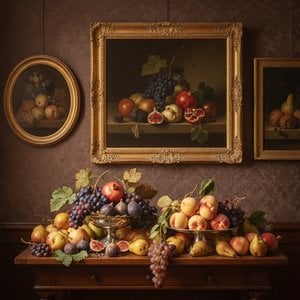
Discover the profound beauty of fruit still life paintings. Explore the rich symbolism, Baroque mastery, and timeless allure of nature's bounty through an art-historical lens, perfect for collectors and enthusiasts of classical fine art.

Embark on a visual journey through the golden hues of autumn fine art. Discover how masters like Van Gogh capture seasonal magic through vibrant oil landscapes and explore expert tips for collecting timeless autumnal masterpieces.

Embark on a visual journey through history's most opulent masterpieces. Explore the breathtaking beauty of Baroque banquets and fruit still lifes, celebrating themes of abundance and luxury through the lens of timeless classical art expertise.


 シェアする
シェアする シェアする
シェアする
 詳細を見る
詳細を見る

 ダウンロード
 似ている作品
 スライドショー
 統計情報
統計情報


 詳細を見る
詳細を見る






































 ガラスオプションは、110cm未満のサイズでのみご利用いただけます。


