

このページに掲載されている作品は著作権法によって保護されており、当社の許可なく同一の複製物を制作または販売することは法律で禁じられています。この保護は、以下のような国際条約に基づき執行されます。 ベルヌ条約 および、以下の条項に定められたものを含む各国の法律により、 米国著作権法 第17編。
この手法は、著作権で保護された作品の複製や複写を伴わないため、著作権法に完全に準拠しています。これは単なる模倣ではなく、創造的な再解釈です。元の作品からインスピレーションを受けつつも、それとは異なる、全く新しい絵画を生み出すものです。
スピーディーな制作と多彩な仕上げオプションが魅力の、ミュージアムクオリティなジークレー・キャンバスプリント。 ( 手描き複製画を注文する デジタル画像販売へ切り替え)
作品のオリジナル比率に合わせた、当店の規定サイズからお選びください。

額縁や壁のスペースに合わせて、ご希望の幅と高さを入力してください。プリントはカットすることは可能ですが、元の画像より大きくすることはできないため、異なる比率のサイズを選択された場合は、画像の一部が欠けることになります。印刷を開始する前に、内容を確認していただくためのデジタルモックアップをお送りいたします。このページに表示されている画像は、実際のカット後の状態を示すものではありません。実際の仕上がりはモックアップにてご確認ください。
Clothing fabric
複製画サイズ一覧
In the vibrant and whimsical textile painting Clothing fabric, created in 1975 by the evocative artist Anna Borkowska, we are invited into a playful world where the mundane is transformed into a rhythmic celebration of color and form. The artwork presents a mesmerizing grid-like pattern, reminiscent of a tiled mosaic or a checkerboard floor, which serves as a structured stage for an eclectic collection of personal belongings. Within each blue-outlined cell, Borkowska has meticulously placed a variety of charming accessories—red handbags, sunny yellow hats, azure caps, and even a pair of striking sunglasses. This deliberate arrangement creates a sense of organized chaos, where the rigidity of the geometric grid meets the spontaneous, casual placement of objects, inviting the viewer to wander through each tile as if exploring a treasure trove of forgotten memories.
The technique employed in this piece speaks to Borkowska’s profound mastery of textile art. By utilizing a bright, high-contrast palette against a crisp white background, she achieves a visual pop that is both energetic and soothing. The interplay between the primary colors—the bold reds, deep blues, and cheerful yellows—creates a rhythmic pulse across the canvas. Each item, from the soft texture of a red scarf to the structured silhouette of a yellow bag, is rendered with a delicate touch that suggests the tactile nature of fabric itself. For the collector or interior designer, this piece offers a unique graphic quality; its clean lines and balanced composition make it an ideal focal point for modern spaces, providing a burst of joy and a sophisticated pop of color that can breathe life into any room.
To truly appreciate Clothing fabric, one must look beyond the surface brightness to the historical soul of the artist. Anna Borkowska’s life was defined by profound displacement and the strength required to rebuild amidst the shadows of Soviet exile and the hardships of Siberian resettlement. This piece, created decades after her most tumultuous years, can be viewed as a triumphant reclamation of joy. The "threads of memory" mentioned in her biography are present here not as heavy burdens, but as light, celebratory fragments of daily life. By focusing on clothing and accessories—items that are intimately connected to our identity and how we present ourselves to the world—Borkowska transforms simple objects into symbols of stability and the enduring spirit of human experience.
The emotional impact of the work lies in its ability to evoke nostalgia while remaining firmly rooted in a sense of play. There is a certain whimsy in seeing a red shoe paired with a yellow glove, an arrangement that feels both accidental and deeply intentional. For those seeking to decorate a space with art that tells a story, this reproduction offers more than just aesthetic beauty; it provides a conversation piece about the beauty found in the small, everyday details of life. It is a testament to the idea that even after the most difficult winters, color and pattern can emerge to create a landscape of warmth, resilience, and unbridled delight.
Pop Artの作品「Clothing fabric」は、ロシア出身のアーティストによって制作されました。
アンナ・ボルコフスカは、「Clothing fabric」においてTextile Artの技法を用いています。この技法が、原画の素材としての性質を決定づけています。
アンナ・ボルコフスカ作「Clothing fabric」の美術史的な分類は、Modern期におけるPop Artです。

アンナ・ボルコフスカ(1916–2008)の生涯は、追放、生存、そして決して屈することのない創造的精神という糸で織り上げられた、深遠なタペストリーそのものでした。ミコロウに生まれた彼女の若き日々は、第二次世界大戦の影と、それに続くソビエトによるポーランド占領という、20世紀の激動によってその運命を塗り替えられました。シベリアへの再定住という過酷な現実に直面したボルコフスカは、故郷の脆さと、亡命という重圧を身をもって体験しました。しかし、この苦難の試練こそが、彼女の芸術的アイデンتティを形作る器となったのです。それは単なる美的な表現手段にとどまらず、歴史の荒波が消し去ろうとした記憶を保存するための、極めて重要な手段となりました。
同時代の多くの芸術家たちが具象的な絵画という伝統的な領域に安らぎを求めた一方で、ボルコフスカはテキスタイル・アートという、触覚的で親密な媒体へと向かいました。彼女にとって布は単なる表面的な素材ではなく、喪失感や郷愁といった形のない感情を収めるための貯蔵庫でした。彼女の作品はしばしば具体的なイメージを避け、洗練された抽象表現へと昇華されています。そこにはバルト海の憂いを含んだ美しさを呼び起こすような色彩設計が用いられていました。これらの涼やかなブルーや移ろいゆく色調は、記憶の静寂と、彼女自身の人生の旅路における激しい潮流の両方を象徴する視覚的なメタファーとなっていました。緻密な職人技を通じて、彼女は布を潜在意識の風景へと変容させ、一針一針の刺繍や染めが、脆弱さの中に宿る不屈の強さを表現していたのです。
ボルコフスカが深い人間的つながりを伝える能力は、織機や水彩筆の枠を遥かに超えて広がっていました。彼女は視覚芸術と演劇的パフォーマンスの隔たりを埋めることができる、稀有で共感に満たされた存在感を備えていました。この独特な感受性は、ジャファル・パナヒ監督の映画史に残る傑作『白玉』(1995年)への出演によって、国際的な称賛を浴びることとなります。慈愛に満ちた老女を演じた際、彼女は自らが経験したレジリエンス(回復力)を投影することで、世界中の観客の心に響くキャラクターに命を吹き込みました。この役柄は、彼女の二つの世界が交差する切実な瞬間となりました。テキスタイル・デザインに見られる感情の深みが、スクリーン上で人間同士のつながりの本質を捉える力として、そのまま反映されていたのです。
彼女の作品群の重要性は、個人的なトラウマを、再生と癒やしという普遍的なテーマへと昇華させた点にあります。『Clothing Fabric』(1972年)などの代表作は、動きと流動性を捉えた水彩デザインの卓越した技量を示しています。ボルコフスカの芸術を辿ることは、彼女が遺した次のような要素に触れることでもあります。
究極的に、アンナ・ボルコフスカは20世紀美術史における不可欠な人物であり続け、追放された人々の個人的な苦闘と、抽象表現という普遍的な言語との架け橋となっています。彼女の作品は、たとえ故郷を失ったとしても、アイデンティティの本質は一針ずつ、糸を紡ぎ直すことによって、永続的で美しいものへと再構築できるのだという信念の証なのです。

1916 - 2008 , ロシア
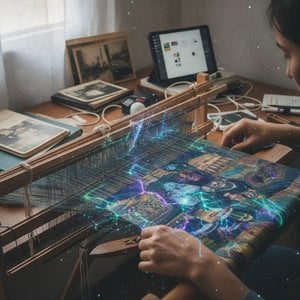
Elevate your home with WahooArt's bespoke AI-textured art. Transform cherished photos into hand-painted textile masterpieces through a seamless fusion of cutting-edge technology and classical craftsmanship. Discover timeless, luxury heirlooms designed to preserve your personal legacy.

Embark on a sophisticated journey through the tactile realm of textile art. Unveil the historical evolution from utilitarian craft to museum-grade masterpieces, exploring the intricate textures and legendary artists that redefine the boundaries of fine art.

Embark on a sophisticated journey through the world of folk art. Our expert guide offers connoisseurs deep insights into discovering, identifying, and collecting meaningful cultural masterpieces that preserve the soul of global traditions.
 シェアする
シェアする シェアする
シェアする
 詳細を見る
詳細を見る ガイドを表示

 ダウンロード
 似ている作品
 スライドショーを表示
 Q&A
Q&A
 統計情報
統計情報


 詳細を表示
詳細を表示






































 ガラスオプションは、110cm未満のサイズでのみご利用いただけます。


