
x


迅速な制作と多彩な仕上げオプションを備えた、ミュージアムクオリティのジークレーまたはキャンバスプリント。 ( 手描きの絵画を購入 画像を購入)
作品のオリジナル比率に合わせた、当店の規定サイズからお選びください。

特定のフレームやスペースに合わせて、ご自身でサイズを指定することも可能です。選択されたサイズが元の画像の比率と一致しない場合、作品をトリミングするか、鏡面反射または単色での塗りつぶしによって画像を拡張いたします。制作を開始する前に、ご確認用のデジタルモックアップをお送りいたします。
画面上のプレビューには、実際のトリミングや拡張は反映されませんのでご注意ください。最終的な構図を正確に確認できるのは、モックアップのみとなります。
カスタムサイズも承っておりますが、元の比率を維持するためには、あらかじめ用意されたリストからサイズを選択することをお勧めいたします。

Clothing fabric
複製画のサイズ
In the evocative work Clothing fabric, created in 1970 by the resilient artist Anna Borkowska, we are invited into a sensory exploration of texture, color, and heritage. The piece presents a breathtakingly intricate textile design, where a vibrant symphony of brown, pink, blue, and white tones dances across the surface. At first glance, the viewer is captivated by the sheer density of the ornamentation; floral motifs, swirling paisley shapes, and precise geometric patterns intertwine to create a visual landscape that feels both ancient and timeless. The composition achieves a masterful sense of equilibrium, with a richly decorated central focal point that gradually yields to more delicate edges, guiding the eye through a rhythmic journey of symmetry and balance.
Borkowska’s technique transcends mere representation, as she utilizes the medium of textile art to evoke the tactile reality of fabric itself. The painting captures a fascinating interplay of light and shadow, suggesting various weaving techniques where certain areas appear smooth and lustrous while others possess a rugged, raised texture. This deliberate manipulation of visual weight gives the artwork a three-dimensional quality, making the patterns feel as though they could be felt beneath one's fingertips. For the discerning collector or interior designer, this piece offers a profound depth that transforms any space, acting not just as a decorative element but as a window into a meticulously crafted world of craftsmanship.
To understand the emotional resonance of Clothing fabric, one must look toward the life of Anna Borkowska. Born in Mykolaiv and shaped by the profound displacements of the mid-20th century, Borkowska’s artistry was deeply rooted in the concept of "threads of memory." Her work often serves as a metaphor for the resilience of the human spirit; just as individual threads are woven together to create a durable and beautiful cloth, her life experiences of exile and resettlement were woven into the very fabric of her creative expression. The intricate patterns seen here can be viewed as symbols of continuity and the preservation of culture amidst the chaos of history.
The symbolism embedded within these traditional motifs—the organic flow of the florals and the structured permanence of the geometric shapes—speaks to the duality of existence: the ephemeral beauty of nature and the enduring strength of human tradition. For those seeking to adorn a home with art that possesses both aesthetic splendor and narrative weight, this reproduction offers an unparalleled opportunity. It is a piece that invites contemplation, offering a sense of warmth, stability, and a connection to a storied past, making it a magnificent centerpiece for any sophisticated collection or thoughtfully curated interior.

アンナ・ボルコフスカ(1916–2008)の生涯は、追放、生存、そして決して屈することのない創造的精神という糸で織り上げられた、深遠なタペストリーそのものでした。ミコロウに生まれた彼女の若き日々は、第二次世界大戦の影と、それに続くソビエトによるポーランド占領という、20世紀の激動によってその運命を塗り替えられました。シベリアへの再定住という過酷な現実に直面したボルコフスカは、故郷の脆さと、亡命という重圧を身をもって体験しました。しかし、この苦難の試練こそが、彼女の芸術的アイデンتティを形作る器となったのです。それは単なる美的な表現手段にとどまらず、歴史の荒波が消し去ろうとした記憶を保存するための、極めて重要な手段となりました。
同時代の多くの芸術家たちが具象的な絵画という伝統的な領域に安らぎを求めた一方で、ボルコフスカはテキスタイル・アートという、触覚的で親密な媒体へと向かいました。彼女にとって布は単なる表面的な素材ではなく、喪失感や郷愁といった形のない感情を収めるための貯蔵庫でした。彼女の作品はしばしば具体的なイメージを避け、洗練された抽象表現へと昇華されています。そこにはバルト海の憂いを含んだ美しさを呼び起こすような色彩設計が用いられていました。これらの涼やかなブルーや移ろいゆく色調は、記憶の静寂と、彼女自身の人生の旅路における激しい潮流の両方を象徴する視覚的なメタファーとなっていました。緻密な職人技を通じて、彼女は布を潜在意識の風景へと変容させ、一針一針の刺繍や染めが、脆弱さの中に宿る不屈の強さを表現していたのです。
ボルコフスカが深い人間的つながりを伝える能力は、織機や水彩筆の枠を遥かに超えて広がっていました。彼女は視覚芸術と演劇的パフォーマンスの隔たりを埋めることができる、稀有で共感に満たされた存在感を備えていました。この独特な感受性は、ジャファル・パナヒ監督の映画史に残る傑作『白玉』(1995年)への出演によって、国際的な称賛を浴びることとなります。慈愛に満ちた老女を演じた際、彼女は自らが経験したレジリエンス(回復力)を投影することで、世界中の観客の心に響くキャラクターに命を吹き込みました。この役柄は、彼女の二つの世界が交差する切実な瞬間となりました。テキスタイル・デザインに見られる感情の深みが、スクリーン上で人間同士のつながりの本質を捉える力として、そのまま反映されていたのです。
彼女の作品群の重要性は、個人的なトラウマを、再生と癒やしという普遍的なテーマへと昇華させた点にあります。『Clothing Fabric』(1972年)などの代表作は、動きと流動性を捉えた水彩デザインの卓越した技量を示しています。ボルコフスカの芸術を辿ることは、彼女が遺した次のような要素に触れることでもあります。
究極的に、アンナ・ボルコフスカは20世紀美術史における不可欠な人物であり続け、追放された人々の個人的な苦闘と、抽象表現という普遍的な言語との架け橋となっています。彼女の作品は、たとえ故郷を失ったとしても、アイデンティティの本質は一針ずつ、糸を紡ぎ直すことによって、永続的で美しいものへと再構築できるのだという信念の証なのです。

1916 - 2008 , ロシア

Embark on a sophisticated journey through the tactile realm of textile art. Unveil the historical evolution from utilitarian craft to museum-grade masterpieces, exploring the intricate textures and legendary artists that redefine the boundaries of fine art.

Embark on a sophisticated journey through the world of folk art. Our expert guide offers connoisseurs deep insights into discovering, identifying, and collecting meaningful cultural masterpieces that preserve the soul of global traditions.
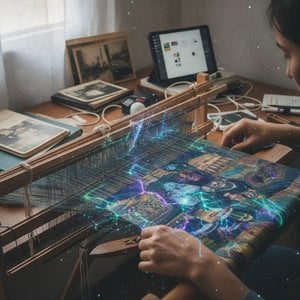
Elevate your home with WahooArt's bespoke AI-textured art. Transform cherished photos into hand-painted textile masterpieces through a seamless fusion of cutting-edge technology and classical craftsmanship. Discover timeless, luxury heirlooms designed to preserve your personal legacy.

Discover the breathtaking allure of Art Deco. Explore the era's iconic geometry, legendary designers like Erté, and timeless glamour. Perfect for discerning collectors seeking to infuse their spaces with sophisticated modernist elegance and historical prestige.


最新の美術ニュース、限定オファー、そしてインテリアのアイデアをいち早くお届けします。
お客様のプロジェクトについてお聞かせください。当社の美術専門家が、お客様に合わせた3つのパーソナライズされた芸術提案をご提供いたします。
あなたにぴったりの3作品を無料で厳選いたします


 シェアする
シェアする シェアする
シェアする
 詳細を見る
詳細を見る

 ダウンロード
 似ている作品
 スライドショー


 詳細を見る
詳細を見る






































 ガラスオプションは、110cm未満のサイズでのみご利用いただけます。


