


 Oil On CanvasWallArtRussian Renaissance
 1410
1410 158.0 x 106.0 cm
 トレチャコフ美術館
迅速な制作と多彩な仕上げオプションを備えた、ミュージアムクオリティのジークレーまたはキャンバスプリント。 ( 手描きの絵画を購入 画像を購入)





























作品のオリジナル比率に合わせた、当店の規定サイズからお選びください。

特定のフレームやスペースに合わせて、ご自身でサイズを指定することも可能です。選択されたサイズが元の画像の比率と一致しない場合、作品をトリミングするか、鏡面反射または単色での塗りつぶしによって画像を拡張いたします。制作を開始する前に、ご確認用のデジタルモックアップをお送りいたします。
画面上のプレビューには、実際のトリミングや拡張は反映されませんのでご注意ください。最終的な構図を正確に確認できるのは、モックアップのみとなります。
カスタムサイズも承っておりますが、元の比率を維持するためには、あらかじめ用意されたリストからサイズを選択することをお勧めいたします。

Deesis Range: The Saviour
複製画のサイズ
To stand before an image evocative of Andrei Rublev’s profound spiritual vision is to step across the threshold of time itself. This depiction, echoing the solemnity of a Deesis grouping, centers on a figure whose gaze seems to penetrate the veil between worlds. The subject, bearing the unmistakable gravitas associated with Christ or a deeply contemplative saint, commands attention through sheer emotional resonance. It is not merely a portrait; it is an encounter. The artist has captured that fleeting moment where introspection deepens into profound understanding, allowing the viewer to feel the weight of sacred thought emanating from the canvas.
The technical brilliance evident in this work speaks volumes about Andrei Rublev’s unparalleled skill. Observe the meticulous handling of the paint; every visible brushstroke contributes to a tapestry of light and shadow that gives the figure an almost lifelike dimensionality. The contrast between the luminous quality of the face and the simplicity of the background—that striking yellow wall—is nothing short of masterful. This deliberate use of color serves not merely as decoration, but as a structural element guiding the eye directly to the emotional core: the man’s contemplative expression. For those who appreciate fine art reproduction, understanding this technique is key; it allows us to recreate the depth and subtlety that only painstaking hand-painting can achieve.
Dating back to 1410, this piece situates itself within a pivotal era for Russian art. Andrei Rublev was more than just a painter; he was the spiritual chronicler of his age. His work is deeply embedded in the tradition of Orthodox iconography, yet it possesses a unique psychological depth that elevates it beyond mere religious depiction into universal human experience. The style speaks to a period where Byzantine influences mingled with a burgeoning national artistic voice—a confluence that imbues the piece with both timeless sacredness and palpable human drama. Owning a reproduction allows one to bring this historical dialogue into a modern setting.
The most captivating element remains the subject’s gaze, directed slightly over the shoulder. This averted yet knowing look invites participation from the viewer. Symbolically, it speaks to themes of divine mystery, eternal watchfulness, and quiet wisdom. For collectors and interior designers alike, this piece offers more than just aesthetic beauty; it offers an atmosphere. It suggests a sanctuary within a room—a focal point that encourages pause, reflection, and a deeper appreciation for the enduring narratives of faith and humanity. The rich tones and profound subject matter ensure that this artwork will not merely hang on a wall, but rather inhabit the space with quiet dignity.

アンドレイ・ルブリョフ(1360年頃 – 1430年頃)は、ロシア美術史において最も謎めいており、かつ深遠な影響力を持つ人物の一人であり続けています。彼は単なる画家ではありません。その作品には、精神的な献身、芸術的な熟練、そして中世ロシアの真髄が融合しています。当時のロシアは、ビザンチン帝国の影響を受けながらも、自らのアイデンティティを模索し、新たな国家意識が芽生えつつある激動の時代でした。彼の生涯の詳細は今なお霧に包まれていますが、その時代の最高峰のイコン画家としての遺産は疑いようのないものであり、ロシア正教美術の視覚的言語を形作っただけでなく、後世の芸術家たちにも計り知れない影響を与えました。
ルブリョフの幼少期に関する具体的な情報は、ほとんど残されていません。彼はモスクワで生まれたと考えられていますが、中には、彼の芸術的発展に深い影響を与えることとなる、近郊の三位一体・聖セルギウス修道院にルーツを持つとする説もあります。ロシアへ移住してきた高名なビザンチン人イコン画家、テオファネス・グリークの下での修行は、当時の技法や様式的な規範を学ぶ上で、かけがえのない基礎となりました。しかし、ルブリョフは単なる模倣の域を瞬く間に超えていきました。彼は確立された形式に、独自のロシア的な感性を吹き込んだのです。それは、ビザンチンの先駆者たちとは一線を画す、肌で感じられるような謙虚さ、精神的な深み、そして感情的な共鳴でした。
ルブリョフの芸術的ヴィジョンは、決して孤立した場所から生まれたものではありません。それはビザンチンの伝統と、芽生えつつあったロシア的な感性の両方に深く根ざしていました。テオファネスの影響は否定できません。緻密な細部、豊かな色彩、そして構図の形式的な構造は、すべてビザンチン・イコン画の特徴です。しかし、ルブリョフはこれらの要素を巧みに、極めてロシア的な美学へと統合しました。それは、深い謙虚さ、感情表現への重点、そして修道院共同体の精神生活との結びつきです。
ルブリョフのイコンは、単なる美しい絵画ではありません。それらは幾重にも重なる象徴的な意味を湛えており、キリスト教神学と精神的実践に対する深い洞察を反映しています。その構図には、複雑な神学的概念を伝えるための、繊細な仕草や表情、空間配置が随所に散りばめられています。
比較的短い生涯であったにもかかわらず、アンドレイ・ルブリョフはロシアの芸術と文化に消えることのない足跡を残しました。彼の作品は後世のイコン画家たちに多大な影響を与え、数世紀にわたるロシア・イコノグラフィーの発展を形作りました。1551年のストグラヴィ・ソボル(聖会議)では、ルブリョフの様式が教会絵画の模範として公式に宣言され、国家的な芸術的英雄としての地位を不動のものとしました。

1360 - 1428 , ロシア
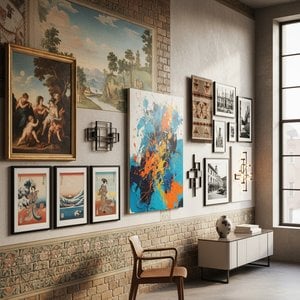
Explore the art of transforming spaces with our comprehensive guide to wall decor. From historical movements to contemporary trends, discover how to curate impactful interiors and commission bespoke artwork for a truly personalized aesthetic.

Transform your living room with iconic art! Explore our guide to the Top 10 most famous paintings – from Van Gogh's Starry Night to Mona Lisa. Discover artist stories, techniques & find museum-quality reproductions for timeless decor. Explore the full collection on

Explore the celestial brilliance of Byzantine masterpieces. Discover the sacred alchemy of gold leaf, the spiritual depth of Orthodox icons, and how this high-impact gilded glory continues to inspire awe in fine art history and modern luxury interiors.

Explore the rich history & stunning artistry of the Byzantine Empire! Discover iconic mosaics, profound symbolism, and lasting influence on Western art. A comprehensive guide for history lovers.

ホテルデザインを格上げするフレスコ画の魅力とは?古代から現代までの歴史、技法、デザインプロセスを解説。WahooArt.comでカスタムオーダーも可能です。空間を彩る壁画芸術の世界をご体験ください。


 プレビュー
プレビュー
 シェアする
シェアする シェアする
シェアする
 詳細を見る
詳細を見る

 ダウンロード
 似ている作品
 X線調査
X線調査 スライドショー
 詳細を見る
詳細を見る









 ガラスオプションは、110cm未満のサイズでのみご利用いただけます。


