このページに掲載されている作品は著作権法によって保護されており、当社の許可なく同一の複製物を制作または販売することは法律で禁じられています。この保護は、以下のような国際条約に基づき執行されます。 ベルヌ条約 および、以下の条項に定められたものを含む各国の法律により、 米国著作権法 第17編。
敬意を払った法的な代替手段として、私たちはオリジナルにインスピレーションを与えられた、カスタムの手描きアートワークを提供しています。私たちの熟練したプロのアーティストは、元の作品が持つスタイル、情緒、そして芸術的なエッセンスを注意深く研究し、独自の創作物でありながら、同じ感性を呼び起こすような、新しくユニークな作品を作り上げます。
この手法は、著作権で保護された作品の複製や複写を伴わないため、著作権法に完全に準拠しています。これは単なる模倣ではなく、創造的な再解釈です。元の作品からインスピレーションを受けつつも、それとは異なる、全く新しい絵画を生み出すものです。
当社のアーティストが、お客様のご希望のサイズと額縁に合わせて、キャンバスに手描きで制作する油彩画です。 ( プリント版に切り替え デジタル画像販売へ切り替え)
作品のオリジナル比率に合わせた、当店の規定サイズからお選びください。

フレームや壁のスペースに合わせて、ご希望の幅と高さを入力してください。本作品は手描きのため、異なる比率のサイズをご希望の場合、絵画の周囲を少し広げて描くか、あるいは端を少しカットして調整することが可能です。お客様のご要望に合わせます。制作を開始する前に、仕上がりを確認するためのデジタルモックアップをお送りいたします。このページに表示されている画像は完成品の実物ではなく、あくまでモックアップによるイメージです。
Hochpacker
複製画サイズ一覧
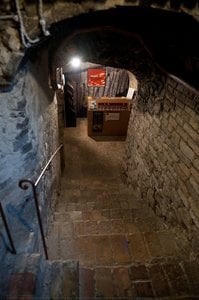
Andreas Golinski作「Hochpacker」は、wooden pallets, storage area, stacked wood, wood texture, warehouse settingを描き出し、Industrialな情緒を湛えています。主題と雰囲気が相まって、作品の物語を形作っています。
Andreas Golinski作「Hochpacker」はContemporary Realismに属しています。このムーブメントは、本作の様式的な背景を形作るものです。
Andreas Golinski作「Hochpacker」のデジタルイメージは、こちらのデジタル画像ページにてご購入いただけます:高解像度デジタル画像のダウンロード

Born in Essen, Germany, Andreas Golinski has developed a profound artistic language that explores the delicate and often turbulent intersection between individual identity and the crushing weight of industrial mechanisms. His work serves as a poignant meditation on the alienation inherent in modern existence, where the boundaries of the self are frequently eroded by the relentless momentum of production and social structures. Through his lens, the artist examines how the contemporary world can strip away cultural roots and personal history, leaving behind a state of precariousness that affects both the individual and the collective.
Golinski’s creative process is deeply rooted in observation and a commitment to understanding the relational models of our society. His explorations often draw from direct engagement with the realities of labor and survival. For instance, his project Hochpacker emerged from a period spent in Essen, where he observed the lives of workers navigating the complexities of shared existence within industrial frameworks. This immersion allowed him to translate the sensory experience of production into an articulate, labyrinthine itinerary of claustrophobic corridors. By utilizing materials such as piled-up pallets, he creates a physical manifestation of the sensation of progressive alienation, forcing the spectator to confront the loss of intimacy and specific characteristics that occurs within large-scale social mechanisms.
The core of Golinski’s significance lies in his ability to use metaphor to highlight the compulsive models of cohabitation that define our era. His work delves into the tension between a longing for individuality and the necessity of participating in a flexible, yet often indifferent, collectivity. He addresses the modern struggle of maintaining one's essence amidst:
In his practice, categorized within Contemporary Realism, Golinski does not merely document these struggles but reconstructs them into a visceral experience. His installations and works act as mirrors to the contemporary condition, reflecting the ways in which man’s most intimate nature is challenged by the structures of modern commerce and industry. Through this evocative approach, he invites viewers to contemplate the enduring relevance of human agency in an age of systemic uncertainty.

1979 - , Germany

Explore the profound intersection of industry and artistry. Discover museum-quality reproductions of Machine Age masterpieces by Léger and Rivera, curated for elite collectors seeking to infuse luxury interiors with the powerful, geometric soul of industrial progress.

Explore the profound impact of Constructivism on modern art. Discover how geometric abstraction and industrial aesthetics revolutionized design, from avant-garde textiles to architectural mastery, curated for the discerning art collector seeking depth and historical significance.

Explore the industrial artistry of Pop Art. Delve into the sophisticated history of Ben-Day dots and silk screen techniques that transformed mass media into high art, perfect for discerning collectors seeking deep historical insight and aesthetic excellence.

Master the 'Industrial Luxe' trend. Discover how to seamlessly blend raw architectural textures with refined, painterly depth to elevate modern luxury interiors. Essential trend forecasting and curation strategies for freelance decorators and design professionals.

 設置イメージを確認
 送る
送る シェア
シェア
 詳細情報
詳細情報 ガイドを表示

 画像をダウンロード
 似ている作品
 X線調査
X線調査 スライドショー
 Q&A
Q&A 統計情報
統計情報


 続きを読む
続きを読む






































 ガラスオプションは、110cm未満のサイズでのみご利用いただけます。