
迅速な制作と多彩な仕上げオプションを備えた、ミュージアムクオリティのジークレーまたはキャンバスプリント。 ( 手描きの絵画を購入 デジタル画像販売へ切り替え)





























作品のオリジナル比率に合わせた、当店の規定サイズからお選びください。

特定のフレームやスペースに合わせて、ご自身でサイズを指定することも可能です。選択されたサイズが元の画像の比率と一致しない場合、作品をトリミングするか、鏡面反射または単色での塗りつぶしによって画像を拡張いたします。制作を開始する前に、ご確認用のデジタルモックアップをお送りいたします。
画面上のプレビューには、実際のトリミングや拡張は反映されませんのでご注意ください。最終的な構図を正確に確認できるのは、モックアップのみとなります。
カスタムサイズも承っておりますが、元の比率を維持するためには、あらかじめ用意されたリストからサイズを選択することをお勧めいたします。

until1470 - St George
複製画のサイズ
Andrea Mantegna’s “St George,” painted around 1467, isn't merely a depiction of a chivalric legend; it’s an audacious declaration of artistic ambition—a fervent return to the grandeur and precision of antiquity. This monumental fresco, housed in Padua’s Cappella Santissima Vergine della Madonna delle Grazie, exemplifies Mantegna’s singular approach to painting: he didn’t simply imitate classical ideals; he painstakingly reconstructed them, channeling the spirit of Rome into a canvas that transcends its time.
The inclusion of apples – one on each side of St George – carries a potent symbolic resonance. Apples have long been associated with immortality and Edenic innocence, representing the triumph of virtue over temptation. Their placement strategically frames the dragon slaying, reinforcing the narrative’s moral dimension and highlighting St George's unwavering devotion to his faith.
"St George" transcends its narrative content to evoke a profound emotional response—one of solemn contemplation and spiritual reverence. Mantegna's masterful use of perspective creates an immersive experience for the viewer, transporting them back to the grandeur of ancient Rome while simultaneously anchoring them in the immediacy of the biblical tale. The painting’s stillness speaks volumes about Mantegna’s conviction that art should inspire awe and elevate the soul—a testament to his enduring legacy as a pioneer of Renaissance artistic innovation.


1431 - 1506 , イタリア

Embark on a scholarly journey through the sacred beauty of High Medieval art. Discover the profound symbolism, luminous iconography, and spiritual depth of Gothic masterpieces in this expert guide for classical art enthusiasts.
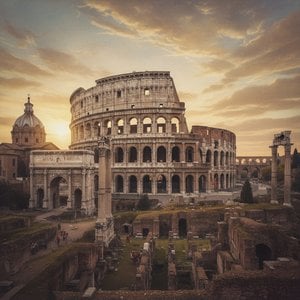
Explore the profound beauty of Roman architecture through art history. From Piranesi's evocative engravings to classical masterpieces, discover how the grandeur of ancient Rome continues to inspire collectors and art enthusiasts worldwide.

Embark on a visual journey through Early Medieval art. Explore the profound beauty of illuminated manuscripts, sacred symbols, and golden light through an expert historical lens, celebrating the enduring legacy of medieval craftsmanship and divine artistry.
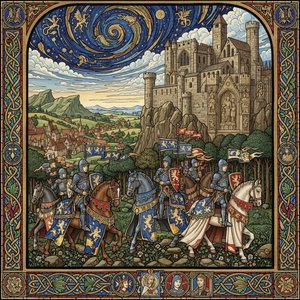
Explore the profound beauty of medieval art through the lens of history. Discover the symbolism of knights, the divine frescoes of Giotto, and how legendary masterpieces continue to inspire modern collectors and lovers of chivalric heritage.


 プレビュー
プレビュー
 シェアする
シェアする シェアする
シェアする
 詳細を見る
詳細を見る

 ダウンロード
 似ている作品
 X線調査
X線調査 スライドショー
 統計情報
統計情報
 詳細を見る
詳細を見る









 ガラスオプションは、110cm未満のサイズでのみご利用いただけます。


