
 Acrylic On CanvasWallArtFauvism
 1930
1930 35.0 x 25.0 cm
 Royal Academy of Music
当社のアーティストが、お客様のご希望のサイズと額縁に合わせて、キャンバスに手描きで制作する油彩画です。 ( プリント版に切り替え デジタル画像販売へ切り替え)





























作品のオリジナル比率に合わせた、当店の規定サイズからお選びください。

特定のフレームやスペースに合わせて、ご希望のサイズをご入力いただけます。選択されたサイズが元の画像の比率と異なる場合、アートワークをトリミングするか、手描きで要素を追加して絵画を拡張いたします。デジタルモックアップ を制作し、制作開始前にご確認(承認)をいただきます。
画面上のプレビューは、実際のトリミングや拡張を正確に反映しているものではありません。最終的な構図は、モックアップによってのみ正確にご確認いただけます。
カスタムサイズもご利用いただけますが、元の比率を維持するためには、あらかじめ用意されたリストからサイズを選択することをお勧めいたします。

Flowers in a Vase
複製画のサイズ
André Derain’s “Flowers in a Vase,” painted around 1901, isn't merely a still life; it’s an explosion of Fauvist emotion captured on canvas. This intimate scene, brimming with vibrant reds, whites, and greens, transports the viewer to a world where color reigns supreme, defying traditional representation and embracing pure visual sensation. The painting, housed in the National Gallery of Art, Washington D.C., offers a captivating glimpse into the heart of this revolutionary artistic movement.
The work’s genesis lies within the burgeoning Fauvist period, a short but intensely influential era in early 20th-century art. Derain, alongside Henri Matisse, sought to liberate color from its descriptive role and use it instead as an independent expressive force. “Flowers in a Vase” exemplifies this philosophy perfectly. The colors aren’t intended to mimic reality; they are chosen for their emotional impact – the fiery red of the roses, the luminous white of the blooms, and the verdant green of the foliage all vibrate with intensity. This deliberate departure from naturalism was considered radical at the time, provoking both excitement and criticism.
Derain’s technique is characterized by bold, broken brushstrokes that create a sense of movement and immediacy. He applied paint directly to the canvas with little blending, resulting in a textured surface where individual strokes are visible. This impasto effect adds depth and physicality to the painting, drawing attention to the materiality of the pigments themselves. The forms within the composition – the vase, the flowers, the leaves – are not rendered with meticulous detail but rather suggested through fragmented shapes and planes of color. This simplification contributes to the overall sense of dynamism and unrestrained expression.
Notably, Derain employed a technique reminiscent of Pointillism—small dots of pure color applied side-by-side—though his approach was looser and more expressive than that of Seurat. This layering of colors creates an optical illusion of depth and luminosity, further enhancing the painting’s vibrant quality. The subtle variations in tone and hue within each color area contribute to a remarkable sense of visual richness.
Beyond its purely formal qualities, “Flowers in a Vase” is rich in symbolic meaning. Flowers have long been associated with beauty, love, and mortality – themes that resonate deeply within the painting. The arrangement itself—a vibrant bouquet contained within a simple vase—suggests both abundance and fragility. The dark background serves to heighten the impact of the colors, creating a dramatic contrast that draws the viewer’s eye directly to the blossoms.
Furthermore, the inclusion of a single white flower floating on water evokes a sense of transience and ephemerality. It's a poignant reminder of the fleeting nature of beauty and life itself. The painting’s emotional impact is profound—a celebration of color, light, and the inherent joy of existence, tempered by an underlying awareness of mortality.
“Flowers in a Vase” stands as a pivotal work in André Derain's oeuvre and a cornerstone of Fauvist art. It demonstrates his willingness to challenge conventional artistic norms and embrace the expressive potential of color. The painting’s influence can be seen in the works of subsequent generations of artists, who continued to explore the possibilities of non-naturalistic representation. Today, it remains a powerful testament to the transformative power of color and a captivating example of early 20th-century artistic innovation.

1880 - 1954 , フランス

Explore the vibrant world of Fauvism with our expert guide. Discover how Matisse and Derain revolutionized art through bold colors and expressive strokes. Perfect for classic art enthusiasts seeking to deepen their passion for modern masterpieces.

Explore the vibrant revolution of Fauvism. Discover how masters like Matisse liberated color to redefine modern art. Dive into an expert-led journey through the 'Wild Beasts' movement and learn how to bring this bold, expressive energy into your personal collection.
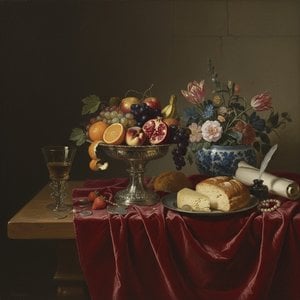
Embark on a sophisticated journey through the history of still life art. From Dutch Golden Age masterpieces to Baroque opulence, explore the profound symbolism and timeless beauty of the world's most exquisite table compositions.


 プレビュー
プレビュー
 シェアする
シェアする シェアする
シェアする
 詳細を見る
詳細を見る ガイド
ガイド

 ダウンロード
 似ている作品
 X線調査
X線調査 スライドショー
 統計情報
統計情報 詳細を見る
詳細を見る









 ガラスオプションは、110cm未満のサイズでのみご利用いただけます。


