

スピーディーな制作と多彩な仕上げオプションが魅力の、ミュージアムクオリティなジークレー・キャンバスプリント。 ( 手描きの複製画を注文する デジタル画像販売へ切り替え)





























作品のオリジナル比率に合わせた、当店の規定サイズからお選びください。

特定のフレームやスペースに合わせて、ご自身でサイズを指定することも可能です。選択されたサイズが元の画像の比率と一致しない場合、作品をトリミングするか、鏡面反射または単色での塗りつぶしによって画像を拡張いたします。制作を開始する前に、ご確認用のデジタルモックアップをお送りいたします。
画面上のプレビューには、実際のトリミングや拡張は反映されませんのでご注意ください。最終的な構図を正確に確認できるのは、モックアップのみとなります。
カスタムサイズも承っておりますが、元の比率を維持するためには、あらかじめ用意されたリストからサイズを選択することをお勧めいたします。

Self-Portrait with Red Background
複製画サイズ一覧
In the quiet intensity of Self-Portrait with Red Background, we encounter more than just a reflection in a mirror; we meet the profound psychological depth of one of the twentieth century's most luminous talents. Painted in 1930, this masterpiece serves as a window into the soul of Amrita Sher-Gil, an artist whose very existence was a bridge between the classical traditions of Europe and the vibrant, burgeoning modernism of India. As she gazes out from the canvas, her expression is one of haunting seriousness, a stillness that commands the viewer to pause and reflect. The painting captures a moment of deep introspection, where the subject’s identity seems to vibrate against the bold, monochromatic backdrop.
The technical mastery displayed in this oil on canvas is nothing short of breathtaking. Sher-Gil utilizes a striking color palette where the warmth of the skin tones is set in dramatic opposition to the saturated, crimson hue of the background. This use of color is not merely decorative; it creates a sense of compressed space, pushing the figure toward the viewer and heightening the emotional intimacy of the encounter. The brushwork, while smooth enough to capture the delicate features of her face and the luster of her earrings, retains an organic vitality that speaks to her training in Budapest and her eventual immersion in the aesthetics of the East. For the collector or interior designer, this piece offers a sophisticated focal point, bringing a sense of dramatic elegance and historical weight to any curated space.
To understand this portrait, one must understand the complex tapestry of Sher-Gil’s heritage. Born to a Sikh aristocrat and a Hungarian Jewish opera singer, her life was an intersection of disparate cultures, a theme that resonates through every stroke of her brush. In this self-portrait, we see the early stages of her evolution as a pioneer of modern Indian art. The composition reflects a fusion of Western portraiture techniques—reminiscent of the European masters—with a burgeoning sensitivity to the light and mood found in Indian traditions. The way she rests her hand upon her chest is a gesture of vulnerability and strength, a symbolic reclamation of selfhood during a period of immense cultural transition.
The emotional impact of the work lies in its ability to evoke empathy through silence. There is no narrative action here, only the weight of being. The red background acts as an emotional amplifier, suggesting passion, blood, and life, yet it remains a flat, almost abstract plane that forces our focus onto the human element. For those seeking to adorn their homes with art that inspires conversation and deep thought, this reproduction offers a rare opportunity to possess a piece of history. It is a work that does not merely decorate a wall; it inhabits a room, inviting all who see it to contemplate the complexities of identity, heritage, and the enduring power of the human gaze.


1913 - 1941 , スロバキア

Discover the enduring allure of hand-painted oil reproductions. WahooArt offers museum-quality, archival masterpieces designed for discerning collectors seeking timeless beauty and a lasting legacy. Invest in fine art that transcends generations with our expert craftsmanship.

Discover the enduring allure of oil on canvas. Explore how master techniques like impasto and glazing create the depth, texture, and emotional resonance found in the world's greatest masterpieces. An essential guide for fine art enthusiasts and discerning collectors.

Discover the profound allure of oil on canvas. Explore the mastery of impasto textures, the science of pigment longevity, and expert guides to selecting museum-quality reproductions that elevate your collection with timeless elegance and tactile depth.
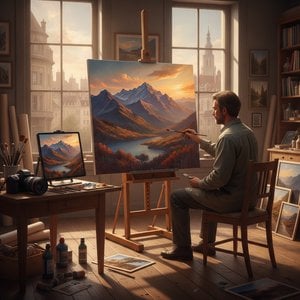
Discover the exquisite journey of transforming digital photography into bespoke oil masterpieces. Experience unparalleled craftsmanship with hand-painted reproductions that bridge modern memories and timeless fine art excellence.

 設置イメージを確認
 送る
送る シェア
シェア
 詳細情報
詳細情報 ガイドを表示

 画像をダウンロード
 似ている作品
 X線調査
X線調査 スライドショー
 統計情報
統計情報


 続きを読む
続きを読む









 ガラスオプションは、110cm未満のサイズでのみご利用いただけます。


