

ウェブ上のプレビューを遥かに凌駕する、印刷に最適なファイルをご提供します。当サイトで販売しているすべてのデジタル画像は、弊社のデータベース内にある高解像度のマスターデータ(通常、幅5,000〜15,000ピクセル)から作成されています。そのため、大判印刷や大胆なクロップ、細部まで緻密な再現も、安心してお楽しみいただけます。
当スタジオから送り出される画像は、すべて丁寧に加工されています。デジタルエキスパートが原画と照らし合わせて色調を精査し、必要に応じて補正を行った上で、プロ仕様のリタッチツールを用いて鮮明さと細部を向上させます。その際、アーティストの筆致やスタイルに忠実であることを常に追求しています。その結果、単なるスキャン画像にフィルターをかけたようなものではなく、まるで本物の絵画を見ているかのような仕上がりを実現しています。
仕上がりをご確認いただいてから完了となります。専門スタッフが、ご確認用の画像を72時間以内にメールでお送りいたします。もしご満足いただけない場合は、修正や改善のご要望を承るほか、品質が基準に満たない場合には返金も可能です。
出版社、デザインスタジオ、ギャラリー、そして印刷所から信頼される品質です。
個人での鑑賞、印刷、クリエイティブなプロジェクトにご利用いただける高解像度ファイルをダウンロードできます。 ( プリント版に切り替え 手描き複製画を注文する)
WahooArt.com を選ぶことは、単に画像を手に入れることではありません。プロの手によって精密に仕上げられ、満足保証が付いた高品質なデジタルアートワークを受け取ることを意味します。ご注文いただいた際に自動的に付随する内容は、以下の通りです:
ご注文から72時間以内に、高解像度のデジタル画像ファイルをメールでお送りいたします。お手元に届き次第、すぐにご利用いただけます。
お客様の作品は、高度なAI技術と専門家による手作業を組み合わせてプロフェッショナルに最適化されており、細部のディテール、鮮明さ、そして正確な色再現性を最大限に引き出しています。
ファイルを誤って削除したり、紛失してしまったりしましたか?ご安心ください。いつでも無料で再送いたします。
関税や手数料、配送料を気にすることなく、お気に入りのアートワークをすぐにお楽しみいただけます。デジタルダウンロードは常に免税です。
プロ仕様のツールとカラーマネジメント技術を用いることで、デジタル画像が元の色を最大限に忠実に再現することを保証いたします。
ご購入いただいたデジタル画像にご満足いただけない場合は、100日以内であれば、理由を問わず修正または100%の返金対応をさせていただきます。
ご満足いただけない場合は、デジタルファイルを受け取ってから100日以内であれば、理由を問わず全額返金いたします。
3枚購入で10%OFF、5枚購入で15%OFF、10枚以上のご購入で20%OFF。クリエイティブなプロジェクトやギャラリー、エージェンシーに最適です。
In the quietude of 1940, Allan Randall Freelon captured a moment of profound tranquility in his evocative work, Harbor. This waterfront scene serves as more than just a depiction of maritime life; it is an invitation into a world where time seems to slow, allowing the viewer to breathe in the salt air and the gentle rhythm of the tides. The painting features two primary sailboats docked closely at a pier, their masts reaching toward the sky like silent sentinels of the sea. As the eye wanders through the composition, smaller vessels emerge from the soft background, creating a magnificent sense of depth that draws the observer deeper into the heart of the bay. This layering of boats provides a structural complexity that anchors the scene, offering a rich tapestry of maritime geometry.
The true soul of the piece, however, lies in its subtle infusion of human presence. Three figures are scattered across the canvas—one near the left periphery, one anchored toward the center, and another resting on the right. These individuals are not mere subjects but vital components of the narrative, breathing life and a sense of communal activity into the stillness of the harbor. Their placement suggests a shared, quiet experience of the landscape, transforming a simple seascape into a living, breathing social tableau. For the collector or interior designer, this presence of humanity adds an emotional warmth that makes the artwork feel inhabited and deeply relatable.
As a pioneer of Harlem Renaissance Impressionism, Allan Randall Freelon utilized light and color to evoke atmosphere rather than mere documentation. In Harbor, the technique reflects the artist's mastery over the Impressionist tradition, where brushstrokes are used to capture the shimmering reflections on the water and the soft, diffused glow of the daylight. The interplay between the solid forms of the docked boats and the fluid, light-drenched background creates a visual harmony that is both soothing and intellectually stimulating. This style allows the painting to function beautifully in various interior settings, acting as a window of light and calm within a room.
To possess a reproduction of this work is to hold a piece of African American art history. Freelon’s ability to blend the technical rigor of Impressionism with the evocative themes of his era provides a sophisticated layer of meaning for any discerning art lover. The painting does not demand attention through loud colors or jarring movements; instead, it commands respect through its balance, its historical weight, and its ability to evoke a sense of peace. It is an ideal selection for those seeking to introduce a touch of classical elegance and historical depth into a curated space, offering a timeless aesthetic that transcends the decades.
「Harbor」は、Allan Randall Freelonの手によるImpressionism様式の作品です。作者と様式は、その作品が受け継ぐ伝統を定義するものです。
「Harbor」はImpressionismの様式に属しており、その作者はModernの時代に活動していました。
Allan Randall Freelon作「Harbor」のカラーパレットはEarthyと表現されており、作品の色使いを簡潔に表しています。

In the vibrant tapestry of the Harlem Renaissance, few threads are as luminous and technically refined as those woven by Allan Randall Freelon. A native of Philadelphia, born in 1895 into a family defined by academic achievement, Freelon emerged not merely as an observer of his era, but as a pioneering force who bridged the gap between classical European techniques and the burgeoning Black aesthetic of early twentieth-century America. His life was a testament to the power of artistic excellence as a tool for social progress, blending the delicate light of Impressionism with a profound dedication to education and civil rights.
Freelon’s journey through the world of art was marked by an unrelenting pursuit of mastery. His formal training was deeply rooted in the institutions of his beloved Philadelphia, including the Pennsylvania Museum and School of Industrial Art and later the Tyler School of Art at Temple University. This rigorous academic foundation allowed him to command a variety of media, from the soft, atmospheric strokes of oil on canvas to the intricate precision of printmaking. He sought mentorship from the masters of his time, studying privately with renowned printmakers such as Earl Hoster and Dox Thrash, which helped him become the first African American member of the prestigious Print Club of Philadelphia in 1921.
While many artists of the Harlem Renaissance focused on the urban rhythms of jazz and city life, Freelon often found his muse in the serene, shifting qualities of the natural world. His work is celebrated for its evocative use of light, capturing the ephemeral beauty of American landscapes with an Impressionist sensibility that felt both timeless and modern. One of his most poignant subjects was the Gloucester harbor in Massachusetts; through his eyes, the waterfront became a stage for dancing reflections and tranquil sailboats, demonstrating an ability to translate the movement of water and air into tangible emotion.
His technical prowess extended far beyond the canvas. As a skilled lithographer, Freelon possessed a unique ability to manipulate shadow and line, creating works that resonated with the same depth as his paintings. This versatility allowed him to navigate different artistic circles, from the local Philadelphia exhibitions at the Pyramid Club to broader national recognition. His art did not merely document scenery; it captured the very essence of a changing America, using the soft focus of Impressionism to invite viewers into a world of quiet contemplation and grace.
Beyond the studio, Allan Randall Freelon’s impact on the American cultural landscape was profound and structural. He was a man of immense civic responsibility, serving as a Second Lieutenant in the U.S. Army during World War I before dedicating his life to the upliftment of others through art education. His appointment as the assistant director of art education for the Philadelphia School District was a landmark achievement, marking him as the first African American to hold such a significant supervisory role within the city's educational system.
This commitment to mentorship ensured that his influence would ripple through generations. By teaching lithography at the Philadelphia Museum of Art and shaping curriculum in public schools, he helped cultivate a new era of diverse artistic voices. His life was a seamless blend of creative expression and social advocacy, proving that the brushstroke could be just as powerful as the protest. Today, we remember Freelon not only as a master of light and color but as a foundational figure whose academic rigor and trailblazing spirit helped secure a place for African American excellence in the annals of American art history.
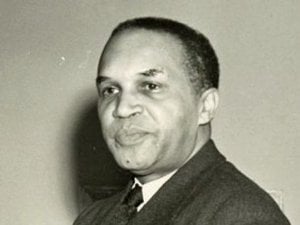
1895 - 1960 , United States of America
 設置イメージを表示
 シェアする
シェアする シェアする
シェアする
 詳細を見る
詳細を見る ガイドを表示

 ダウンロード
 似ている作品
 X線調査
X線調査 スライドショーを表示
 Q&A
Q&A
 統計情報
統計情報


 詳細を表示
詳細を表示


