設置イメージを表示 ARで試着 手描き複製画を注文する デジタル画像販売へ切り替え シェアする
詳細を見る ガイドを表示 お気に入りに追加 ダウンロード 似ている作品 X線調査 スライドショーを表示 Q&A PowerPointをダウンロード 統計情報

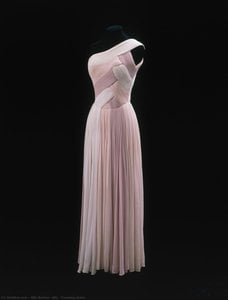
Evening Dress

Explore Alix Barton’s ‘Evening Dress,’ a neoclassical masterpiece mirroring Grès’ iconic draped designs. Discover the elegance & artistry of 1944 haute couture.

Alix (Madame Grès): Iconic French couturier famed for draped Grecian gowns & masterful drapery. A 'sphinx of fashion,' her designs revolutionized haute couture.

このページに掲載されている作品は著作権法によって保護されており、当社の許可なく同一の複製物を制作または販売することは法律で禁じられています。この保護は、以下のような国際条約に基づき執行されます。 ベルヌ条約 および、以下の条項に定められたものを含む各国の法律により、 米国著作権法 第17編。

この手法は、著作権で保護された作品の複製や複写を伴わないため、著作権法に完全に準拠しています。これは単なる模倣ではなく、創造的な再解釈です。元の作品からインスピレーションを受けつつも、それとは異なる、全く新しい絵画を生み出すものです。

ジークレー/アートプリント

スピーディーな制作と多彩な仕上げオプションが魅力の、ミュージアムクオリティなジークレー・キャンバスプリント。 ( 手描き複製画を注文する デジタル画像販売へ切り替え)

標準サイズ
オーダーメイド
CM
INCH

作品のオリジナル比率に合わせた、当店の規定サイズからお選びください。

横幅
高さ

額縁や壁のスペースに合わせて、ご希望の幅と高さを入力してください。プリントはカットすることは可能ですが、元の画像より大きくすることはできないため、異なる比率のサイズを選択された場合は、画像の一部が欠けることになります。印刷を開始する前に、内容を確認していただくためのデジタルモックアップをお送りいたします。このページに表示されている画像は、実際のカット後の状態を示すものではありません。実際の仕上がりはモックアップにてご確認ください。

世界中への配送()は、標準の4〜5週間ではなく、2週間でお届けいたします。(10 11月)

世界中へ無料エクスプレス配送
高品質なリネンキャンバス
配送時完全保険付
関税・輸入税の払い戻し保証
真の色彩再現に関する保証
100日間返品保証(製造上の欠陥がある場合のみ)
100% 全額返金保証
まとめ買い割引のご案内

合計金額

¥ 10918

Evening Dress

ジークレー/アートプリント

複製画サイズ一覧

-

合計金額

¥ 10918

Small pleats contour the lines of the chest, and the natural flow of the cloth becomes a skirt. This work demonstrates the typical style of Grès.Madame Grès opened the fashion house Alix in 1934, but was forces to close it in 1939. In 1942 she opened a new house under her husband

Q&A

「Evening Dress」はいつ制作されたもので、どの様式(ムーブメント)に属していますか?

「Evening Dress」は、Neoclassicalの作品として1944年に制作されました。制作年と様式は、美術史におけるこの作品の位置付けを明確にするものです。

「Evening Dress」は、全体的に明るい印象ですか、それとも暗い印象ですか?

Alix Barton, Alix作「Evening Dress」 の記録された数値は、明度 brilliant、輝度 Luminous です。

「Evening Dress」は、拡張現実(AR)でのプレビューに対応していますか?

「Evening Dress」は、拡張現実(AR)でのプレビューが可能です。対応デバイスで作品のARで見るページを表示すると、ご自身の空間に作品を配置してご確認いただけます。


作家プロフィール

A Life Sculpted in Silk: The Enigmatic World of Madame Grès

Germaine Émilie Krebs, the woman who would become known as Madame Grès, was born into a middle-class Parisian family in 1903. From an early age, her artistic inclinations leaned towards sculpture—a desire to mold and shape form that would ultimately define her legacy, though not through stone or bronze, but through the fluid medium of fabric. Her parents discouraged this path, steering her toward dressmaking, a more “suitable” vocation for a young woman of her time. This early redirection proved pivotal; it didn’t extinguish her sculptural ambitions, but rather channeled them into an entirely new realm. She began her career as a hat maker, honing her skills before transitioning to couture dressmaking at the esteemed Maison Premet, where exacting standards and meticulous technique were paramount. These formative years instilled in her a dedication to craftsmanship that would become her hallmark.

The Birth of a Signature: From Alix to Madame Grès

The evolution of her professional identity—from Mademoiselle Alix to Alix Barton and finally to Madame Grès—mirrors a deliberate crafting of persona, as carefully considered as the garments she created. The name “Grès” itself emerged in 1942 with her marriage to Russian painter Serge Anatolievitch Czerefkow, an anagram of his first name. This period was marked by both personal and professional challenges. Despite the turmoil of wartime Paris, Grès refused to compromise her artistic vision, continuing to design elegant dresses that subtly echoed the colors of the French flag—a quiet act of defiance that led to the temporary closure of her fashion house under German occupation. It was during this time, however, that her signature style truly crystallized: floor-length gowns draped with an unparalleled mastery, evoking the grace and timelessness of classical Greek sculpture.

Draping as Art: A Revolutionary Technique

Madame Grès wasn’t merely designing dresses; she was sculpting them onto the body. Unlike many of her contemporaries who relied on pattern making, Grès preferred to work directly on a mannequin, manipulating fabric—primarily silk jersey and paper taffeta—with an almost intuitive understanding of its properties. This process was famously laborious, often requiring up to 300 hours for a single gown. Each pleat, twist, and fold was meticulously crafted by hand, allowing the fabric to conform to the contours of the body rather than imposing a rigid structure upon it. She described this as a “battle” between designer and medium, a constant negotiation between her vision and the inherent qualities of the material. This dedication to draping elevated dressmaking to an art form, earning her the moniker "the Sphinx of Fashion" for her secretive nature and unwavering focus on her craft.

A Lasting Influence: Inspiring Generations

Throughout the 1940s and 50s, Madame Grès dressed some of the most iconic women of the era—the Duchess of Windsor, Paloma Picasso, Grace Kelly, Marlene Dietrich, and Greta Garbo among them. Her designs were characterized by their simplicity, elegance, and respect for the female form. She eschewed overt embellishment, allowing the beauty of the fabric and the artistry of her draping to speak for themselves. Her influence extended beyond the realm of haute couture, inspiring a new generation of designers with her innovative techniques and minimalist aesthetic. Azzedine Alaïa, in particular, was deeply captivated by Grès’s work, amassing a significant collection of her garments—a testament to his admiration and a recognition of her enduring legacy.

The Queen of Drapery: A Timeless Vision

Madame Grès' impact on the fashion world remains profound. Her pioneering approach to draping, her unwavering commitment to craftsmanship, and her ability to transform fabric into wearable sculpture continue to inspire designers today. She wasn’t interested in fleeting trends; she sought to create timeless garments that celebrated the beauty of the human body and the artistry of couture. Her work stands as a powerful reminder that fashion can be more than just clothing—it can be a form of art, a testament to skill, and an expression of enduring elegance. Her minimalistic draping techniques and her attention to and respect for the female body have had a lasting effect on the haute couture and fashion industry.
Alix Barton, Alix

Alix Barton, Alix

1903 - 1993 , France

プロフィール概要

  • Full Name: Germaine Émilie Krebs
  • Nationality: French
  • Date Of Birth: 1903
  • Date Of Death: 1993
  • Place Of Birth: Paris, France
  • Notable Artworks:
    • Evening Dress
    • Dress
    • Two-piece Evening Gown
  • Artistic Movement Or Style: Haute Couture, Draping