このページに掲載されている作品は著作権法によって保護されており、当社の許可なく同一の複製物を制作または販売することは法律で禁じられています。この保護は、以下のような国際条約に基づき執行されます。 ベルヌ条約 および、以下の条項に定められたものを含む各国の法律により、 米国著作権法 第17編。
敬意を払った法的な代替手段として、私たちはオリジナルにインスピレーションを与えられた、カスタムの手描きアートワークを提供しています。私たちの熟練したプロのアーティストは、元の作品が持つスタイル、情緒、そして芸術的なエッセンスを注意深く研究し、独自の創作物でありながら、同じ感性を呼び起こすような、新しくユニークな作品を作り上げます。
この手法は、著作権で保護された作品の複製や複写を伴わないため、著作権法に完全に準拠しています。これは単なる模倣ではなく、創造的な再解釈です。元の作品からインスピレーションを受けつつも、それとは異なる、全く新しい絵画を生み出すものです。
当社のアーティストが、お客様のご希望のサイズと額縁に合わせて、キャンバスに手描きで制作する油彩画です。 ( プリント版に切り替え デジタル画像販売へ切り替え)
作品のオリジナル比率に合わせた、当店の規定サイズからお選びください。

フレームや壁のスペースに合わせて、ご希望の幅と高さを入力してください。本作品は手描きのため、異なる比率のサイズをご希望の場合、絵画の周囲を少し広げて描くか、あるいは端を少しカットして調整することが可能です。お客様のご要望に合わせます。制作を開始する前に、仕上がりを確認するためのデジタルモックアップをお送りいたします。このページに表示されている画像は完成品の実物ではなく、あくまでモックアップによるイメージです。
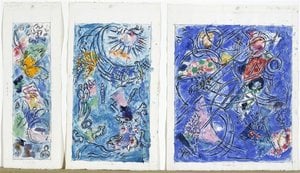
Flying Machine
複製画サイズ一覧
Ali Cherri作「Flying Machine」のプリントをご希望の方は、こちらのファインアートプリントページよりご注文いただけます:コットンキャンバスまたはアーカイブ品質のキャンバスペーパーに施されたファインアートプリント。
Ali Cherriは、2017年に「Flying Machine」を制作した際、41歳でした。この年齢は、アーティストの誕生年である1976年から算出されています。
Ali Cherri作「Flying Machine」には、Green to Violet Spectrumの色調が全体に広がっています。

In the contemporary art landscape, few voices resonate with the profound sensitivity to heritage and transformation found in the work of Ali Cherri. Born in Beirut in 1976, Cherri’s artistic identity is inextricably linked to the complex, layered histories of Lebanon and the broader Middle Eastern landscape. His practice, which seamlessly weaves together the tactile presence of sculpture with the ephemeral nature of film, serves as a meticulous documentation of cultural memory. Moving from his formative years in Beirut to pursuing advanced studies in Amsterdam and Paris, Cherri has developed a global perspective that remains deeply rooted in the soil of his homeland. His work does not merely observe the passage of time; it seeks to capture the very essence of metamorphosis, exploring how landscapes, architectures, and identities shift under the pressures of globalization and conflict.
Cherri’s artistic evolution is marked by a transition from exploring urban narratives and architectural spaces to investigating much larger, more symbolic themes. His sculptural practice, in particular, is renowned for its ambitious scale and its ability to embody complex philosophical ideas through physical form. A definitive example of this is his 2017 masterpiece, Flying Machine. This monumental wooden sculpture, designed with the intricate anatomy of a dragonfly, acts as a profound tribute to the pioneers of aviation—from the scientific visions of Abbas Ibn Firnas and Leonardo da Vinci to the historic breakthroughs of the Wright Brothers. By utilizing wood, a material deeply embedded in Lebanese tradition, Cherri creates a tension between the organic, ancient textures of the earth and the soaring, technological aspirations of the human spirit. The piece functions as more than an object; it is a tangible manifestation of his belief in confronting challenges through adaptation and flight.
Beyond the physical weight of his sculptures, Cherri’s work as a filmmaker and video installation artist allows him to delve into the temporal dimensions of history. Using both found and original footage, he constructs multi-channel installations that act as portals to significant historical sites. His explorations have taken him from the grandeur of ʻIolani Palace in Hawaii—capturing the transformative legacy of the Hawaiian monarchy—to the archaeological depths of the Middle East. Through these cinematic endeavors, Cherri investigates how sites of power and memory are reshaped by time, creating a dialogue between the seen and the unseen, the historical and the contemporary. His films often function as meditations on the preservation of culture against the eroding forces of modernity.
The significance of Ali Cherri’s contribution to contemporary art is reflected in his extensive exhibition history at some of the world's most prestigious institutions. His work has graced the halls of the Guggenheim New York, the Tate Modern in London, and the Centre Georges Pompidou in Paris. His presence at major international gatherings, such as the Venice Biennale and the Berlinale Film Festival, underscores his role as a vital voice in the global art dialogue. Through these diverse platforms, Cherri continues to challenge his audience to look closer at the traces of the past, finding beauty in the wreckage of history and hope in the persistent human drive toward transformation.
To understand the breadth of his impact, one might consider the following milestones of his career:

1976 - , Lebanon

 設置イメージを確認
 送る
送る シェア
シェア
 詳細情報
詳細情報 ガイドを表示

 画像をダウンロード
 似ている作品
 X線調査
X線調査 スライドショー
 Q&A
Q&A 統計情報
統計情報

 続きを読む
続きを読む






































 ガラスオプションは、110cm未満のサイズでのみご利用いただけます。