
 Oil On CanvasWallArtContemporary Realism
 1860
1860 66.0 x 55.0 cm
 エルミタージュ美術館
迅速な制作と多彩な仕上げオプションを備えた、ミュージアムクオリティのジークレーまたはキャンバスプリント。 ( 手描きの絵画を購入 デジタル画像販売へ切り替え)





























作品のオリジナル比率に合わせた、当店の規定サイズからお選びください。

特定のフレームやスペースに合わせて、ご自身でサイズを指定することも可能です。選択されたサイズが元の画像の比率と一致しない場合、作品をトリミングするか、鏡面反射または単色での塗りつぶしによって画像を拡張いたします。制作を開始する前に、ご確認用のデジタルモックアップをお送りいたします。
画面上のプレビューには、実際のトリミングや拡張は反映されませんのでご注意ください。最終的な構図を正確に確認できるのは、モックアップのみとなります。
カスタムサイズも承っておりますが、元の比率を維持するためには、あらかじめ用意されたリストからサイズを選択することをお勧めいたします。

Pleasant Letter
複製画のサイズ
Alfred Stevens' "Pleasant Letter," painted circa 1860-67, is more than just a portrait; it’s a meticulously crafted window into the refined world of late 19th-century Paris. This exquisite work, currently residing in the collection of the State Hermitage Museum, captures a fleeting moment of domestic intimacy—a woman seated at a table, engrossed in a letter, while her companion observes with quiet attentiveness. Stevens, a master of realism and a keen observer of human psychology, elevates this seemingly simple scene into a study of social grace, subtle emotion, and the delicate balance between observation and participation.
The painting’s genesis lies firmly within Stevens' signature style: a deliberate departure from grand historical or mythological subjects. Instead, he focused on capturing the nuances of modern life—the “la vie moderne”—as it unfolded in fashionable Parisian interiors. This shift was revolutionary at the time, as it prioritized the portrayal of contemporary society and its inhabitants with an unprecedented level of detail and psychological insight. Influenced by the Dutch Masters – particularly Gerard ter Borch and Gabriel Metsu – Stevens meticulously rendered textures, light, and shadow, creating a palpable sense of realism that drew viewers into the scene.
The composition itself is remarkably balanced and restrained. The seated woman, dressed in a fashionable gown of muted tones, dominates the foreground, her gaze directed towards the letter before her. Her posture—relaxed yet attentive—suggests both engagement and contemplation. Her companion, positioned slightly behind and to the side, offers a counterpoint – a quiet observer, perhaps reflecting on the contents of the letter or simply enjoying the shared moment. The arrangement isn’t overtly dramatic; rather, it's a subtle choreography of figures within a carefully designed space.
Stevens masterfully utilizes light and color to enhance the scene’s atmosphere. A soft, diffused light illuminates the room, casting gentle shadows that define the forms and textures of the furniture and clothing. The palette is predominantly muted – browns, creams, and grays—reflecting the understated elegance of the Parisian bourgeois lifestyle. The use of a delicate rose-colored shawl draped over the woman’s shoulders adds a touch of warmth and visual interest, subtly drawing the eye to her face.
Beyond its aesthetic qualities, “Pleasant Letter” carries layers of symbolic meaning. The act of reading a letter represents communication, connection, and perhaps even unspoken desires. It’s a moment of private reflection within the confines of domestic life—a world carefully constructed to project an image of refinement and social standing. The painting subtly critiques the artificiality of such displays, hinting at the complexities beneath the surface of polite society.
Furthermore, Stevens' choice of subject matter – a seemingly ordinary scene of everyday life – speaks to his broader artistic vision. He sought to elevate the commonplace, revealing beauty and significance in the details of modern existence. The painting’s popularity during its time reflected a growing interest in capturing the realities of contemporary society—a trend that would profoundly influence subsequent generations of artists.
Alfred Stevens' “Pleasant Letter” remains a testament to his exceptional skill and artistic vision. It is a captivating portrait not only of two women but also of an era – the Belle Époque—characterized by its elegance, social complexities, and burgeoning modernity. Reproductions of this work offer a remarkable opportunity to experience the subtle beauty and psychological depth of Stevens’s art, bringing a touch of Parisian refinement into any space.


1823 - 1906
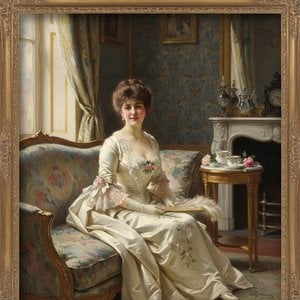
Discover the captivating world of Alfred Stevens, master of Parisian elegance & intimate portraiture. Explore his techniques, influences, and legacy – a prized collection for discerning art enthusiasts.
Explore 25 iconic Sir Alfred Munnings paintings! Discover the beauty of British Impressionism, equine art & rural England. Find museum-quality reproductions and elevate your home decor with WahooArt. Explore the full collection online.
Explore the Dutch Golden Age of painting (1600-1700) with WahooArt. Discover Rembrandt, Vermeer & other masters. Learn about techniques, history & find museum-quality reproductions.

Explore the captivating world of Alfred Stevens, a pioneer of intimate realism & Symbolist painting. Discover his elegant portraits of Parisian women and learn about his Dutch influences & lasting legacy. Art history insights at WahooArt.
Discover the breathtaking beauty of Dutch Golden Age landscapes. Explore the mastery of light, chiaroscuro, and 17th-century realism through an expert art history lens, celebrating the enduring legacy of the Dutch Masters for discerning collectors and art lovers.


 プレビュー
プレビュー
 シェアする
シェアする シェアする
シェアする
 詳細を見る
詳細を見る

 ダウンロード
 似ている作品
 X線調査
X線調査 スライドショー
 統計情報
統計情報 詳細を見る
詳細を見る









 ガラスオプションは、110cm未満のサイズでのみご利用いただけます。


