
 Oil On CanvasWallArtBaroque
 1720
1720 158.0 x 211.0 cm
 エルミタージュ美術館
迅速な制作と多彩な仕上げオプションを備えた、ミュージアムクオリティのジークレーまたはキャンバスプリント。 ( 手描きの絵画を購入 デジタル画像販売へ切り替え)





























作品のオリジナル比率に合わせた、当店の規定サイズからお選びください。

特定のフレームやスペースに合わせて、ご自身でサイズを指定することも可能です。選択されたサイズが元の画像の比率と一致しない場合、作品をトリミングするか、鏡面反射または単色での塗りつぶしによって画像を拡張いたします。制作を開始する前に、ご確認用のデジタルモックアップをお送りいたします。
画面上のプレビューには、実際のトリミングや拡張は反映されませんのでご注意ください。最終的な構図を正確に確認できるのは、モックアップのみとなります。
カスタムサイズも承っておりますが、元の比率を維持するためには、あらかじめ用意されたリストからサイズを選択することをお勧めいたします。

The Seashore
複製画のサイズ
Alessandro Magnasco's "The Seashore," painted in 1720, isn’t merely a depiction of a rugged coastline; it’s an immersion into a world steeped in melancholy and profound observation. More than just a landscape, this work is a carefully constructed tableau of human existence against the relentless power of nature – a testament to Magnasco's unique ability to capture not just what he saw, but the very *feeling* of being present within that scene. The painting immediately draws the viewer in with its dramatic chiaroscuro, where pools of dark shadow wrestle with bursts of light, creating an atmosphere thick with both foreboding and a strange, haunting beauty.
Magnasco’s style, particularly during this period, is often described as intensely personal and somewhat unsettling. He wasn't interested in idealized landscapes or heroic narratives; instead, he favored scenes of quiet desperation – solitary figures huddled against the elements, weathered buildings clinging precariously to cliffsides, and a pervasive sense of isolation. “The Seashore” embodies this perfectly. The small village nestled amongst the rocks isn’t a vibrant hub of activity, but rather a collection of humble dwellings, suggesting a life lived in close proximity to hardship and uncertainty. The artist masterfully uses color – predominantly earthy tones of ochre, brown, and slate gray – punctuated by the cool blues and greens of the sea – to evoke a sense of timelessness and quiet endurance.
Examining Magnasco’s technique reveals a remarkable control over light and shadow. He employs a rapid, almost frenetic brushstroke, creating a dynamic surface that seems to shimmer with movement. The waves are not rendered as smooth, idealized forms; they crash against the rocks with an implied violence, their foam rendered in quick, broken strokes of white and gray. This technique isn’t simply about realism; it's about conveying *feeling* – the raw energy of the sea, the vulnerability of the coastline, and the precariousness of human existence within this vast landscape.
The composition itself is carefully considered. The diagonal thrust of the cliffs creates a sense of instability, while the small village provides a focal point for the eye, drawing us into the scene. Magnasco’s use of perspective is subtly distorted, adding to the painting's unsettling atmosphere and suggesting that we are not simply observing a landscape; we are being invited to step *into* it.
Magnasco’s life was deeply intertwined with the artistic traditions of Genoa, where he was born and spent much of his career. His work reflects a fascination with the city's maritime history and its complex relationship with the sea – a source of both prosperity and peril. The painting can be interpreted as a meditation on this duality, capturing the beauty and danger inherent in the natural world. It’s also worth noting that Magnasco often depicted scenes of poverty and hardship, reflecting the social realities of his time.
Interestingly, Magnasco's work was initially met with mixed reactions. While some critics praised his innovative style and emotional intensity, others found it unsettling and unconventional. His tendency to portray subjects in a dark and ambiguous light – often depicting figures in states of vulnerability or despair – set him apart from the more conventional landscape painters of his era. Despite this initial resistance, Magnasco’s work gradually gained recognition for its originality and power.
Reproducing "The Seashore" in a high-quality oil painting captures the essence of Magnasco's vision. Each brushstroke, each subtle shift in color, is meticulously recreated, allowing you to experience the same sense of atmosphere and emotion that captivated viewers centuries ago. Whether displayed in a grand salon or a cozy study, this artwork will serve as a constant reminder of the beauty and fragility of the natural world – and the enduring power of human observation.

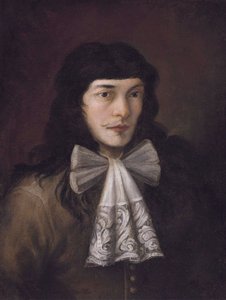
1667 - 1749 , イタリア

Elevate your collection with the dramatic grandeur of Baroque oil masterpieces. WahooArt offers exquisite, hand-painted reproductions of the Great Masters, featuring authentic chiaroscuro and premium textures. Discover bespoke artistry and expert consultation for elite collectors worldwide.

Embark on a visual journey through Italy's most iconic landscapes and Renaissance masterpieces. Discover the profound beauty of classical art, from Venetian altarpieces to serene countryside vistas, curated for the discerning art enthusiast and collector.

Embark on a sophisticated journey through Italian Baroque art. Discover the dramatic interplay of light and emotion in Caravaggio’s masterpieces and explore how to bring this timeless grandeur into your collection with expert art insights.


 プレビュー
プレビュー
 シェアする
シェアする シェアする
シェアする
 詳細を見る
詳細を見る

 ダウンロード
 似ている作品
 X線調査
X線調査 スライドショー
 統計情報
統計情報 詳細を見る
詳細を見る









 ガラスオプションは、110cm未満のサイズでのみご利用いただけます。


