x

 OilWallArtNorthern Renaissance
 1496
1496 251.0 x 367.0 cm
 フランス国立図書館




























作品のオリジナル比率に合わせた、当店の規定サイズからお選びください。

特定のフレームやスペースに合わせて、ご希望のサイズをご入力いただけます。選択されたサイズが元の画像の比率と異なる場合、アートワークをトリミングするか、手描きで要素を追加して絵画を拡張いたします。デジタルモックアップ を制作し、制作開始前にご確認(承認)をいただきます。
画面上のプレビューは、実際のトリミングや拡張を正確に反映しているものではありません。最終的な構図は、モックアップによってのみ正確にご確認いただけます。
カスタムサイズもご利用いただけますが、元の比率を維持するためには、あらかじめ用意されたリストからサイズを選択することをお勧めいたします。

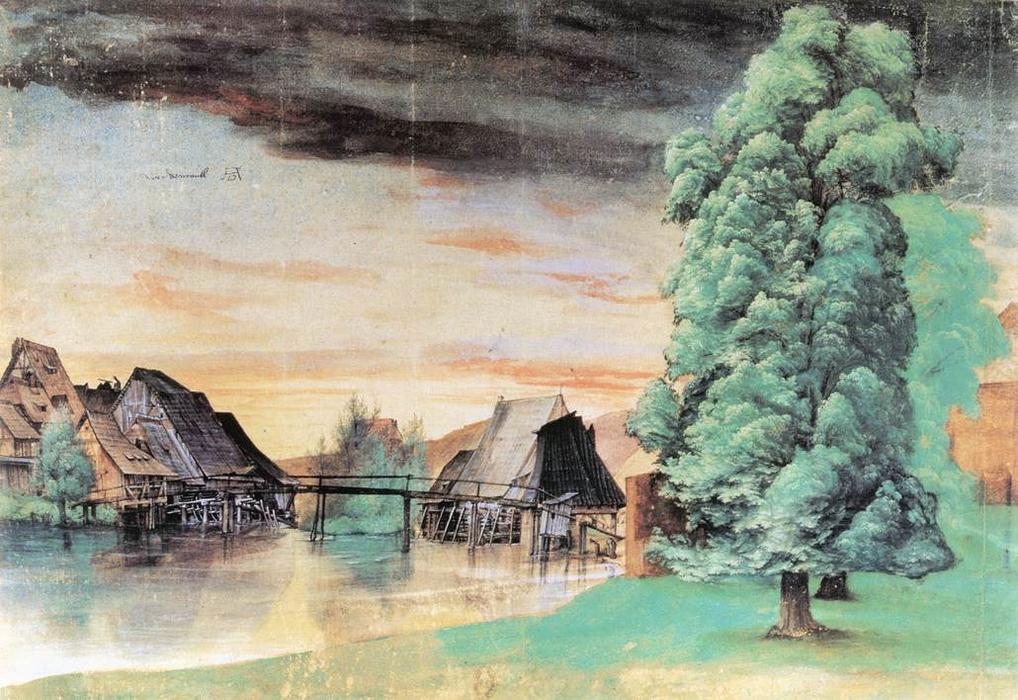
Willow Mill
複製画のサイズ
Albrecht Dürer’s “Willow Mill,” painted in 1496, isn't merely a landscape; it’s a carefully constructed meditation on the harmony between humanity and nature, rendered with the meticulous precision that defined the artist’s extraordinary career. This oil-on-wood panel offers a glimpse into a serene rural scene – a small mill nestled beside a gently flowing river, framed by rolling hills and dominated by a solitary, majestic willow tree. The painting immediately evokes a sense of quiet contemplation, inviting the viewer to step into this idyllic world and lose themselves in its understated beauty.
Dürer’s style here is firmly rooted in the Northern Renaissance tradition, yet it transcends simple imitation. He masterfully blends elements of Italianate perspective with the earthy realism favored by his German contemporaries. The composition is remarkably balanced, utilizing a horizontal arrangement that lends stability and order to the scene. Notice how the water, buildings, and tree are all presented with a deliberate symmetry, creating a visual equilibrium that speaks to a deep understanding of spatial relationships. The muted color palette – dominated by greens, browns, and subtle blues – contributes significantly to the painting’s tranquil atmosphere. It's not a vibrant, exuberant landscape; rather, it’s imbued with a sense of quiet dignity and timelessness.
Dürer’s technical skill is immediately apparent upon close inspection. He employs a layering technique – *glazing* – to build up color and form, creating an astonishingly rich surface texture. Thin washes of paint are applied in multiple layers, gradually building depth and luminosity. This method allows him to capture the subtle nuances of light and shadow, imbuing the scene with a remarkable sense of atmospheric perspective. The details are meticulously rendered: individual leaves on the willow tree, ripples in the water, the weathered planks of the mill’s structure – all contribute to the painting's immersive quality.
The use of *linear perspective* is particularly noteworthy. While not as dramatically foreshortened as some Italian Renaissance works, Dürer skillfully employs converging lines to create a convincing illusion of depth. The buildings recede into the distance, diminishing in size and detail, drawing the viewer’s eye towards the horizon. Furthermore, the artist demonstrates an exceptional command of *chiaroscuro* – the interplay of light and dark – using subtle gradations of tone to model forms and define shapes. This masterful manipulation of light not only enhances the painting's realism but also contributes significantly to its emotional impact.
“Willow Mill” is more than just a pretty picture; it’s laden with symbolic meaning, reflecting the prevailing intellectual currents of the Renaissance. The willow tree itself holds profound significance in European folklore – often associated with mourning, but also with resilience, adaptability, and connection to the earth. Its drooping branches suggest both sorrow and strength, hinting at the cyclical nature of life and death. The mill represents industry and prosperity, a vital component of rural life during this period. The river symbolizes flow, movement, and the passage of time.
Painted in 1496, “Willow Mill” sits squarely within the context of the burgeoning humanist movement. Dürer, deeply influenced by classical learning and Italian Renaissance art, sought to capture not just a realistic depiction of nature but also its underlying order and harmony. The painting embodies the Renaissance ideal of *mimesis* – the imitation of nature – as a means of achieving knowledge and understanding. It’s a testament to Dürer's ambition to elevate landscape painting from mere representation to a profound expression of human experience.
WahooArt offers high-quality reproductions of Albrecht Dürer’s “Willow Mill,” allowing you to bring this iconic Renaissance masterpiece into your own home. Whether you're an art collector, a design enthusiast, or simply someone seeking a touch of timeless elegance, our meticulously crafted prints capture the painting’s exquisite detail and atmospheric depth with remarkable fidelity. Consider how the muted palette and serene composition can create a calming focal point in any room – a space for reflection and appreciation of nature’s beauty. Explore our range of sizes and framing options to find the perfect way to display this enduring symbol of Northern Renaissance artistry.






1471 - 1528 , ドイツ

Explore the groundbreaking art of Albrecht Altdorfer, a pioneer of the Northern Renaissance's Danube School. Discover his innovative landscapes, spiritual symbolism & lasting influence on German painting.
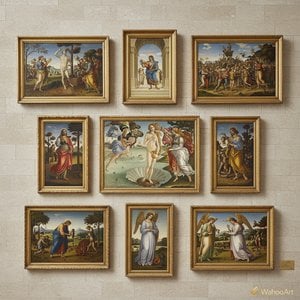
初期ルネサンス美術の革新を彩る10選。ボッティチェリ、ダ・ヴィンチの名作から、時代を超越する美と技術を紐解きます。壁掛けアートやインテリアにインスピレーションを。WahooArt.comで至宝のコレクションをオンラインで発見しましょう!
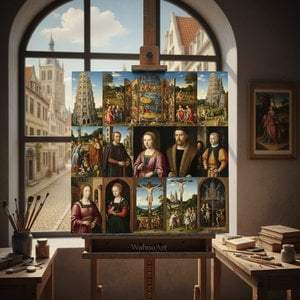
北方ルネサンスの10大傑作を紐解き、芸術の革新と美しさを再発見。ヤン・ファン・エイクからデューラーまで、巨匠たちの物語と技法を深く探求。高品質な複製絵画で、お部屋にアートの息吹を。WahooArt.comで至宝の世界をお楽しみください!

Explore the life & art of Albrecht Dürer, a pivotal German Renaissance master. Discover his groundbreaking printmaking techniques, iconic self-portraits, and lasting influence on Western art history. A deep dive into innovation & symbolism.

Explore the rich history of landscape art with WahooArt. Discover renowned artists, movements like Impressionism & tonalism, and expert guidance for collecting timeless pieces. Find your perfect serene escape today!


最新の美術ニュース、限定オファー、そしてインテリアのアイデアをいち早くお届けします。
お客様のプロジェクトについてお聞かせください。当社の美術専門家が、お客様に合わせた3つのパーソナライズされた芸術提案をご提供いたします。
あなたにぴったりの3作品を無料で厳選いたします
 プリントを購入
 シェアする
シェアする シェアする
シェアする
 詳細を見る
詳細を見る

 ダウンロード
 似ている作品
 X線
X線 スライドショー
 詳細を見る
詳細を見る









 ガラスオプションは、110cm未満のサイズでのみご利用いただけます。