
 EngravingWallArtNorthern Renaissance
 1498Renaissance
 191.0 x 124.0 cm
 国立博物館群
当社のアーティストが、お客様のご希望のサイズと額縁に合わせて、キャンバスに手描きで制作する油彩画です。 ( プリント版に切り替え デジタル画像販売へ切り替え)





























作品のオリジナル比率に合わせた、当店の規定サイズからお選びください。

特定のフレームやスペースに合わせて、ご希望のサイズをご入力いただけます。選択されたサイズが元の画像の比率と異なる場合、アートワークをトリミングするか、手描きで要素を追加して絵画を拡張いたします。デジタルモックアップ を制作し、制作開始前にご確認(承認)をいただきます。
画面上のプレビューは、実際のトリミングや拡張を正確に反映しているものではありません。最終的な構図は、モックアップによってのみ正確にご確認いただけます。
カスタムサイズもご利用いただけますが、元の比率を維持するためには、あらかじめ用意されたリストからサイズを選択することをお勧めいたします。

The Madonna with the Monkey
複製画のサイズ
In the quiet, meticulous lines of Albrecht Dürer’s 1498 engraving, The Madonna with the Monkey, we encounter a profound intersection of the celestial and the terrestrial. This monochrome masterpiece serves as a breathtaking window into the Northern Renaissance, capturing a moment of tender intimacy between the Virgin Mary and the Christ Child. At first glance, the scene presents the classic motif of religious piety, yet Dürer’s genius lies in his ability to disrupt the conventional serenity of such icons. Beside the seated Madonna, a curious monkey perches, introducing an unexpected element that breathes life and complexity into the composition. This juxtaposition was far from whimsical; in the symbolic language of the Renaissance, monkeys often represented folly or the temptations of the flesh, prompting the viewer to contemplate moral dilemmas alongside spiritual devotion.
The emotional impact of the work is found in its delicate balance between the sacred and the earthly. There is a palpable softness in the way the Madonna cradles her infant son, a warmth that transcends the starkness of the black and white medium. As your eyes wander through the intricate landscape, you are invited into a deeply textured world where every etched stroke breathes life into the scene. The presence of the monkey serves as a grounding force, a reminder of the chaotic natural world existing alongside the divine, creating a narrative depth that continues to intrigue scholars and captivate art lovers centuries after its creation.
To behold this work is to witness the pinnacle of printmaking artistry. Executed through the demanding technique of engraving on paper, Dürer’s method exemplifies an unwavering commitment to realism. Using a burin tool, the artist painstakingly incised fine lines into a copper plate, a process that required immense precision and patience. The resulting image relies entirely on the density of these lines to create a sense of light, shadow, and volume. Through the masterful use of hatching and cross-hatching, Dürer achieves remarkable tonal variation, rendering the soft folds of fabric, the delicate features of the infant, and even the coarse texture of the monkey's fur with startling clarity.
The composition is a masterclass in linear perspective. While the Madonna and Child remain the central focus, Dürer expertly guides the viewer’s gaze toward the background, where a stylized landscape unfolds. A distant building, reminiscent of a watchtower or small castle, emerges through layers of fine linework, establishing a sense of immense depth. This deliberate arrangement does more than just create space; it invites a meditative journey, leading the eye from the intimate foreground into a wider, atmospheric world. For collectors and interior designers, this intricate detail offers a sophisticated visual texture that can serve as a profound focal point in any curated space.
Albrecht Dürer remains a towering figure of the German Renaissance, an architect of the artistic eye who bridged the gap between Northern meticulousness and Italian intellectual grace. The Madonna with the Monkey is not merely a historical artifact; it is a living piece of history that embodies the era's fascination with observation and symbolism. For those seeking to bring a sense of intellectual depth and classical elegance to their surroundings, a high-quality reproduction of this engraving offers an unparalleled opportunity. It provides a window into a period of unprecedented creative flourishing, offering a sophisticated aesthetic that complements both traditional and contemporary interiors.
Whether you are an art enthusiast drawn to the technical rigor of the Northern Renaissance or a designer looking for a piece that sparks conversation through its layered symbolism, this work stands as a testament to the enduring power of fine art. The interplay of light, the complexity of the narrative, and the sheer mastery of the medium ensure that Dürer’s vision remains as potent and evocative today as it was in 1498.


1471 - 1528 , ドイツ

Journey through history with 10 legendary engravings that redefined art. From Dürer to the masters of intaglio, explore the stories behind these timeless masterpieces. Find museum-quality reproductions and decor inspiration at WahooArt.com. Discover all masterpieces on WahooArt.com
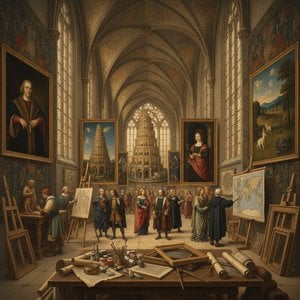
Step into the intricate world of the Northern Renaissance. Explore 10 legendary masterpieces, from Van Eyck to Dürer, and uncover the stories behind their timeless beauty. Find museum-quality art reproductions for exquisite home decor at WahooArt.com. Discover all masterpieces on WahooArt.com.
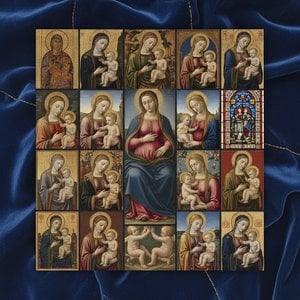
Embark on a sophisticated journey through art history with our curated guide to the most iconic Madonna and Child masterpieces. Discover the profound beauty, theological depth, and enduring legacy of these sacred Renaissance treasures.


 プレビュー
プレビュー
 シェアする
シェアする シェアする
シェアする
 詳細を見る
詳細を見る ガイド
ガイド

 ダウンロード
 似ている作品
 X線調査
X線調査 スライドショー
 統計情報
統計情報 詳細を見る
詳細を見る









 ガラスオプションは、110cm未満のサイズでのみご利用いただけます。


