
x


 EtchingWallArtNorthern Renaissance
 1515Renaissance
 186.0 x 135.0 cm
 メトロポリタン美術館




























作品のオリジナル比率に合わせた、当店の規定サイズからお選びください。

特定のフレームやスペースに合わせて、ご希望のサイズをご入力いただけます。選択されたサイズが元の画像の比率と異なる場合、アートワークをトリミングするか、手描きで要素を追加して絵画を拡張いたします。デジタルモックアップ を制作し、制作開始前にご確認(承認)をいただきます。
画面上のプレビューは、実際のトリミングや拡張を正確に反映しているものではありません。最終的な構図は、モックアップによってのみ正確にご確認いただけます。
カスタムサイズもご利用いただけますが、元の比率を維持するためには、あらかじめ用意されたリストからサイズを選択することをお勧めいたします。

The Desperate Man
複製画のサイズ
In the quiet, hallowed halls of art history, few works possess the raw, psychological gravity of Albrecht Dürer’s 1515 masterpiece, The Desperate Man. This is not merely a print; it is a profound window into the human condition, a visceral distillation of suffering and spiritual longing captured with breathtaking precision. As one gazes upon this monumental etching, the boundaries between the viewer and the subject begin to dissolve. The central figure, caught in a moment of palpable distress, commands the space with an intensity that transcends the centuries. Dürer, a titan of the Northern Renaissance, utilizes the stark medium of monochrome to weave a narrative of anxiety and existential searching, making this piece an essential cornerstone for any collection dedicated to the profound depths of human emotion.
The technical brilliance of The Desperate Man lies in Dürer’s unparalleled mastery of the etching process. Through the meticulous manipulation of fine lines and varying densities of cross-hatching, he breathes life into a copper plate, transforming cold metal into a landscape of textured flesh and heavy shadows. The interplay of light and dark—the chiarosc lately of the Renaissance—is used here not just for form, but to sculpt emotion itself. Every stroke of the burin serves a purpose, creating luminous highlights that catch the eye and deep, velvety shadows that swallow the periphery in mystery. For the discerning collector or interior designer, this work offers a sophisticated textural richness; its intricate linework provides a complex visual rhythm that can anchor a room with both gravity and elegance.
Beyond its technical virtuosity, the artwork functions as a complex tapestry of symbolic gestures. The composition is an intricate arrangement of human connection and isolation. The central figure’s clasped hands are a universal emblem of supplication—a silent, desperate plea for solace amidst a sea of uncertainty. This sense of vulnerability is heightened by the surrounding figures; their postures of observation and support offer a poignant contrast to the man's internal turmoil. One figure grips his shoulders in an act of grounding, while another stands as a witness to his plight, creating a narrative tension between individual agony and communal empathy. Even the prone figure at the base of the composition serves as a somber memento mori, reminding us of the fragility of life and the inevitability of defeat.
To possess a reproduction of this work is to invite a conversation about resilience and the search for meaning into one's space. The piece embodies the spiritual uncertainties that characterized the dawn of the 16th century, yet its themes remain strikingly modern. In an era of constant noise, the silent, etched scream of The Desperate Man offers a moment of profound reflection. Whether displayed in a curated gallery setting or as a focal point in a thoughtfully designed study, this artwork serves as a testament to the enduring power of art to capture the intangible—the very essence of what it means to feel, to struggle, and to endure.


1471 - 1528 , ドイツ
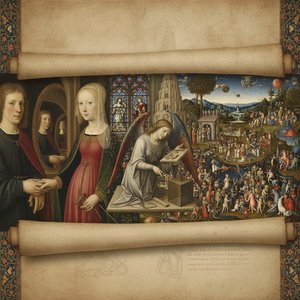
Step into the intricate world of the Northern Renaissance. Explore 10 legendary masterpieces, from Van Eyck to Dürer, and uncover the stories behind their timeless beauty. Find museum-quality art reproductions for exquisite home decor at WahooArt.com. Discover all masterpieces on WahooArt.com.
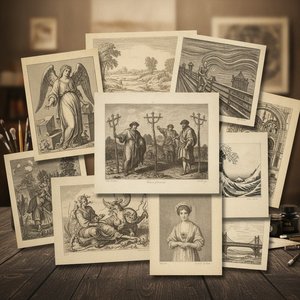
Journey through history with 10 legendary etchings that redefined art. From Rembrandt to Goya, explore the stories behind these timeless masterpieces and find museum-quality reproductions for your decor. Discover all masterpieces on WahooArt.com.


最新の美術ニュース、限定オファー、そしてインテリアのアイデアをいち早くお届けします。
お客様のプロジェクトについてお聞かせください。当社の美術専門家が、お客様に合わせた3つのパーソナライズされた芸術提案をご提供いたします。
あなたにぴったりの3作品を無料で厳選いたします


 プレビュー
プレビュー
 プリントを購入
 シェアする
シェアする シェアする
シェアする
 詳細を見る
詳細を見る

 ダウンロード
 似ている作品
 X線調査
X線調査 スライドショー
 詳細を見る
詳細を見る









 ガラスオプションは、110cm未満のサイズでのみご利用いただけます。


