迅速な制作と多彩な仕上げオプションを備えた、ミュージアムクオリティのジークレーまたはキャンバスプリント。 ( 手描きの絵画を購入 デジタル画像販売へ切り替え)





























作品のオリジナル比率に合わせた、当店の規定サイズからお選びください。

特定のフレームやスペースに合わせて、ご自身でサイズを指定することも可能です。選択されたサイズが元の画像の比率と一致しない場合、作品をトリミングするか、鏡面反射または単色での塗りつぶしによって画像を拡張いたします。制作を開始する前に、ご確認用のデジタルモックアップをお送りいたします。
画面上のプレビューには、実際のトリミングや拡張は反映されませんのでご注意ください。最終的な構図を正確に確認できるのは、モックアップのみとなります。
カスタムサイズも承っておりますが、元の比率を維持するためには、あらかじめ用意されたリストからサイズを選択することをお勧めいたします。

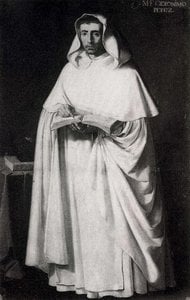
St. Paul (First State)
複製画のサイズ
Albrecht Dürer’s “St. Paul (First State),” executed in 1514, is more than a woodcut print; it’s a profound meditation on faith, knowledge, and the enduring power of human conviction. Created during the apex of the Northern Renaissance, this monochrome masterpiece exemplifies Dürer's unparalleled technical skill and his ability to infuse religious iconography with an intensely personal and emotionally resonant quality. The image depicts Saint Paul in profile, a posture that immediately conveys both dignity and introspection, as he holds open a book – a potent symbol of divine revelation and the pursuit of wisdom. The deliberate simplicity of the composition, dominated by vertical lines and a restrained color palette of grays, draws the viewer’s eye directly to the central figure, reinforcing his importance within the narrative.
“St. Paul (First State)” is rich in symbolic meaning. The open book represents not just the written word but also the path to enlightenment and salvation. The halo, a universal symbol of sainthood, signifies divine grace and holiness, elevating St. Paul to a position of reverence within Christian iconography. Dürer’s portrayal of Paul as a learned man, engaged in scholarly pursuits, reflects the Renaissance emphasis on human potential and the importance of intellectual faith. The figure's posture – upright and resolute – embodies strength and unwavering conviction, offering a timeless message of spiritual fortitude.
Dürer’s work is firmly rooted in the artistic traditions of the Northern Renaissance, characterized by its emphasis on realism, meticulous detail, and a profound understanding of human anatomy. This print exemplifies the period's fascination with religious subjects, rendered with an unprecedented level of technical skill. “St. Paul (First State)” provides a valuable glimpse into the intellectual and spiritual climate of 16th-century Nuremberg, a city that served as a vibrant center for artistic innovation during this transformative era. The flattened perspective, common in woodcut prints of the time, further emphasizes the figure's importance within the composition, drawing attention to his symbolic role.


1471 - 1528 , ドイツ

Master the nuances of Giclée printing with our expert guide. Discover how pigment-based inks and museum-grade substrates create fade-resistant, high-fidelity art reproductions designed for discerning collectors seeking unparalleled quality and longevity.
あなたのクリエイティビティを、世界中のファンへ届ける新しい形。在庫リスクなしで始められるオンデマンド・アートプリント販売をご紹介します。美術館品質のジークレー印刷技術を用い、デジタルな感性を一生のレガシーとなるファインアートへと昇華。WahooArtが提案する、洗練されたアーティスト・ビジネスの第一歩をここから。


 プレビュー
プレビュー
 シェアする
シェアする シェアする
シェアする
 詳細を見る
詳細を見る

 ダウンロード
 似ている作品
 X線調査
X線調査 スライドショー
 統計情報
統計情報

 詳細を見る
詳細を見る









 ガラスオプションは、110cm未満のサイズでのみご利用いただけます。