
x


迅速な制作と多彩な仕上げオプションを備えた、ミュージアムクオリティのジークレーまたはキャンバスプリント。 ( 手描きの絵画を購入 画像を購入)





























作品のオリジナル比率に合わせた、当店の規定サイズからお選びください。

特定のフレームやスペースに合わせて、ご自身でサイズを指定することも可能です。選択されたサイズが元の画像の比率と一致しない場合、作品をトリミングするか、鏡面反射または単色での塗りつぶしによって画像を拡張いたします。制作を開始する前に、ご確認用のデジタルモックアップをお送りいたします。
画面上のプレビューには、実際のトリミングや拡張は反映されませんのでご注意ください。最終的な構図を正確に確認できるのは、モックアップのみとなります。
カスタムサイズも承っておりますが、元の比率を維持するためには、あらかじめ用意されたリストからサイズを選択することをお勧めいたします。

Christ
複製画のサイズ
Albrecht Dürer’s “Christ,” a monochrome woodcut or engraving, isn’t merely a depiction of a biblical event; it’s a profound meditation on sacrifice, grief, and the enduring power of faith. Executed around 1508, this artwork, born from the heart of the Northern Renaissance in Nuremberg, possesses an arresting immediacy that draws the viewer into the solemn scene of Christ's entombment. The sheer technical mastery evident in every meticulously carved line speaks to Dürer’s unparalleled skill and his deep understanding of both artistic principles and the emotional weight of the subject matter.
Dürer's work firmly places him within the context of the Northern Renaissance, a movement characterized by its emphasis on meticulous detail, realistic representation, and a fascination with storytelling. Unlike the Italian Renaissance, which focused heavily on classical ideals and vibrant color palettes, the Northern Renaissance prioritized observation and precise execution. Dürer’s “Christ” exemplifies this approach, showcasing his profound understanding of human anatomy, perspective, and the expressive potential of line.
The scene itself is deeply rooted in Christian iconography. The entombment of Christ represents a pivotal moment in the faith – the culmination of his suffering and sacrifice. It’s a visual representation of hope amidst despair, offering a poignant reminder of humanity's capacity for compassion and redemption. Dürer’s ability to translate this complex theological narrative into a visually compelling image is a testament to his artistic genius.
Beyond its technical brilliance, “Christ” is laden with symbolic meaning. The downward movement of Christ's body – the very act of being lowered into the tomb – symbolizes his descent into death, but also foreshadows his resurrection. The surrounding figures, rendered in varying states of grief and reverence, amplify this emotional weight. Their expressions convey a profound sense of sorrow, highlighting the universal human experience of loss and mourning.
The stark monochrome palette further enhances the artwork’s emotional impact. It strips away any distractions, forcing the viewer to confront the raw reality of the scene. The shadows cast by the figures create a dramatic atmosphere, intensifying the feeling of solemnity and reverence.
Dürer's “Christ” remains a powerful testament to his artistic vision and technical skill. Its enduring appeal lies not only in its meticulous detail but also in its profound emotional resonance. A hand-painted reproduction offers an unparalleled opportunity to experience the full impact of this masterpiece, bringing its beauty and symbolism into your home or studio. This artwork is more than just an image; it’s a window into the soul of the Northern Renaissance – a period defined by innovation, artistry, and a deep engagement with the human condition.


1471 - 1528 , ドイツ

Master the nuances of Giclée printing with our expert guide. Discover how pigment-based inks and museum-grade substrates create fade-resistant, high-fidelity art reproductions designed for discerning collectors seeking unparalleled quality and longevity.
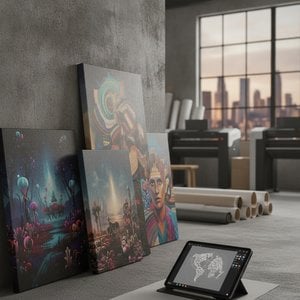
あなたのクリエイティビティを、世界中のファンへ届ける新しい形。在庫リスクなしで始められるオンデマンド・アートプリント販売をご紹介します。美術館品質のジークレー印刷技術を用い、デジタルな感性を一生のレガシーとなるファインアートへと昇華。WahooArtが提案する、洗練されたアーティスト・ビジネスの第一歩をここから。


最新の美術ニュース、限定オファー、そしてインテリアのアイデアをいち早くお届けします。
お客様のプロジェクトについてお聞かせください。当社の美術専門家が、お客様に合わせた3つのパーソナライズされた芸術提案をご提供いたします。
あなたにぴったりの3作品を無料で厳選いたします


 プレビュー
プレビュー
 シェアする
シェアする シェアする
シェアする
 詳細を見る
詳細を見る

 ダウンロード
 似ている作品
 X線調査
X線調査 スライドショー

 詳細を見る
詳細を見る









 ガラスオプションは、110cm未満のサイズでのみご利用いただけます。


