































作品のオリジナル比率に合わせた、当店の規定サイズからお選びください。

特定のフレームやスペースに合わせて、ご希望のサイズをご入力いただけます。選択されたサイズが元の画像の比率と異なる場合、アートワークをトリミングするか、手描きで要素を追加して絵画を拡張いたします。デジタルモックアップ を制作し、制作開始前にご確認(承認)をいただきます。
画面上のプレビューは、実際のトリミングや拡張を正確に反映しているものではありません。最終的な構図は、モックアップによってのみ正確にご確認いただけます。
カスタムサイズもご利用いただけますが、元の比率を維持するためには、あらかじめ用意されたリストからサイズを選択することをお勧めいたします。

Anna selbdritt
複製画のサイズ
Albrecht Dürer’s “Anna Selbdritt,” a meticulously rendered monochrome drawing, transcends the simple depiction of a biblical scene; it is an embodiment of Northern Renaissance ideals – a profound meditation on faith, family, and the very nature of representation. Completed around 1508, this work, meaning "Self-Portrait of Anna," offers a rare glimpse into Dürer’s extraordinary technical skill and his deeply considered approach to subject matter. The drawing portrays the Virgin Mary holding the Christ Child with Saint Joseph seated beside them, a composition that immediately draws the viewer into a world of quiet contemplation.
Dürer’s genius lies in his manipulation of line. Executed entirely in pen and ink on paper, “Anna Selbdritt” showcases an unparalleled command of hatching, cross-hatching, and varying line weights. These techniques aren't merely employed for shading; they are sculpted with deliberate precision. Observe how the delicate lines delineate the folds of Mary’s robes, creating a tactile illusion of fabric that seems to ripple beneath your gaze. The bolder, more closely spaced lines define the shadows cast by the figures, lending a remarkable sense of three-dimensionality to the scene. This isn't simply drawing; it is an exercise in linear perspective and volume, anticipating techniques developed centuries later.
The subject matter itself – the Holy Family – carries immense symbolic weight within the context of Dürer’s time. The serene expressions on Mary and Joseph's faces evoke a profound sense of peace, devotion, and acceptance. The Christ Child, presented with an almost unbearable innocence, represents themes of salvation and divine grace. Dürer was deeply influenced by humanist thought, which emphasized human dignity and the importance of earthly relationships alongside spiritual ones. This drawing reflects this duality – a celebration of faith interwoven with a realistic portrayal of familial bonds. The composition’s pyramidal structure, anchored by Mary's figure, reinforces the stability and order that Dürer sought to convey.
“Anna Selbdritt” is more than just a beautiful drawing; it’s a vital document of its time. Created during the height of the Northern Renaissance, this work exemplifies the era's fascination with realism, meticulous detail, and the exploration of human form. Dürer’s influence extended far beyond Nuremberg, shaping artistic trends across Europe. The subtle use of linear perspective, though restrained, demonstrates a growing awareness of scientific principles – a hallmark of the Renaissance spirit. The drawing’s monochrome palette further emphasizes its spiritual focus, stripping away distractions and directing the viewer's attention to the core themes of faith and family. Its enduring appeal lies in its ability to connect us with this pivotal moment in art history.


1471 - 1528 , ドイツ

Master the nuances of Giclée printing with our expert guide. Discover how pigment-based inks and museum-grade substrates create fade-resistant, high-fidelity art reproductions designed for discerning collectors seeking unparalleled quality and longevity.

Elevate your artistic practice with this expert guide to mastering the line. Discover advanced techniques in graphite, charcoal, and contour drawing designed for art students seeking technical precision and expressive depth in their fine art studies.
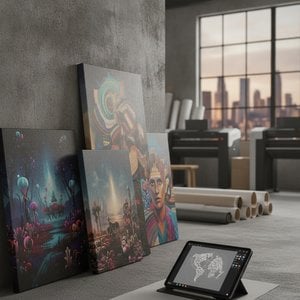
あなたのクリエイティビティを、世界中のファンへ届ける新しい形。在庫リスクなしで始められるオンデマンド・アートプリント販売をご紹介します。美術館品質のジークレー印刷技術を用い、デジタルな感性を一生のレガシーとなるファインアートへと昇華。WahooArtが提案する、洗練されたアーティスト・ビジネスの第一歩をここから。


 プレビュー
プレビュー
 プリントを購入
 シェアする
シェアする シェアする
シェアする
 詳細を見る
詳細を見る

 ダウンロード
 似ている作品
 X線調査
X線調査 スライドショー

 詳細を見る
詳細を見る









 ガラスオプションは、110cm未満のサイズでのみご利用いただけます。


