

 Acrylic On CanvasWallArtMacchiaioli Style
 1900
1900 5.0 x 92.0 cm
 スフォルツァ城
スピーディーな制作と多彩な仕上げオプションが魅力の、ミュージアムクオリティなジークレー・キャンバスプリント。 ( 手描きの複製画を注文する デジタル画像販売へ切り替え)





























作品のオリジナル比率に合わせた、当店の規定サイズからお選びください。

額縁や壁のスペースに合わせて、ご希望の幅と高さを入力してください。プリントはカットすることは可能ですが、元の画像より大きくすることはできないため、異なる比率のサイズを選択された場合は、画像の一部が欠けることになります。印刷を開始する前に、内容を確認していただくためのデジタルモックアップをお送りいたします。このページに表示されている画像は、実際のカット後の状態を示すものではありません。実際の仕上がりはモックアップにてご確認ください。
Desk
複製画サイズ一覧
「Desk」では、Statementな対比とDiscordant Paletteな調和が共存しています。
「Desk」はAmber to Saffronの色調が際立っています。
Alberto Issel作「Desk」のコントラストレベルはStatementです。

Born in Genoa, Italy, Alberto Issel emerged as a versatile force within the Italian art scene, weaving together the delicate sensibilities of a painter with the structural elegance of a designer. His early years were marked by a rigorous academic foundation at the Accademia Ligustica, where his burgeoning talent for engravings earned him distinction as a young student. This formative period in Genoa provided the bedrock for a career that would eventually traverse the most vibrant artistic hubs of his era, from the scholarly atmosphere of Florence to the sun-drenched influences of Rome.
Issel’s journey was one of constant movement and stylistic evolution. In Florence, he studied under Markó the Younger, an experience that deepened his command over form and light. His presence in the artistic circles of the time was profound; he frequented the legendary Caffè Michelangiolo, engaging with the Macchiaioli movement. This connection to the Macchiaili style—characterized by its use of expressive color patches and a departure from rigid academic realism—left an indelible mark on his approach to capturing the fleeting essence of atmosphere and landscape.
The trajectory of Issel’s career took a poignant turn due to an ocular malady that began to impair his ability to paint after 1880. Yet, where the brush faltered, his creative spirit found new expression in the applied arts. This transition did not signal an end, but rather a metamorphosis. He redirected his profound understanding of visual harmony and chromatic balance toward the world of furniture design and entrepreneurship. Alongside his son Arturo, he established a renowned shop on Via Roma in Genoa, where he became a pioneer of Art Nouveau-inspired pieces.
His work in design was far from mere utility; it was an extension of his painterly soul. He sought to bring the same luminosity and organic grace found in his landscapes to functional objects. His creations, such as the elegant Liberty-style lounge, showcased a masterful use of walnut, refined floral fabrics, and colorful lacquers that mimicked the vegetative motifs of nature. Through these works, Issel successfully bridged the gap between fine art and decorative elegance, exhibiting his designs with great success in Paris and Turin.
The significance of Alberto Issel lies in his ability to maintain a cohesive aesthetic vision across vastly different mediums. Whether he was capturing the tranquil mood of a rainy day in an oil painting or carving the intricate curves of a wooden chair, his work remained anchored in a deep appreciation for light, texture, and natural beauty. His later years were spent as both a designer and an entrepreneur, leaving behind a legacy that celebrates the seamless integration of art into daily life.
His contributions can be summarized through several key facets of his career:

1848 - 1926 , Italy

Discover the unparalleled elegance of Art Deco through the lens of Erté. Explore a masterclass in linear precision, theatrical costume design, and high-fashion illustration that continues to define modern luxury and sophisticated interior aesthetics.
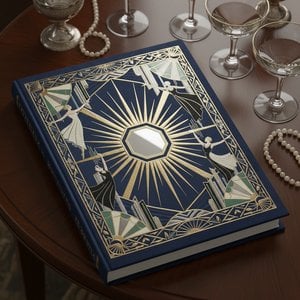
Discover the allure of Art Deco through a curated guide to its most iconic masterpieces. Explore the elegance of Erté and the innovation of Jean Dunand, perfect for collectors seeking timeless glamour and sophisticated design inspiration.

Discover the breathtaking allure of Art Deco. Explore the era's iconic geometry, legendary designers like Erté, and timeless glamour. Perfect for discerning collectors seeking to infuse their spaces with sophisticated modernist elegance and historical prestige.
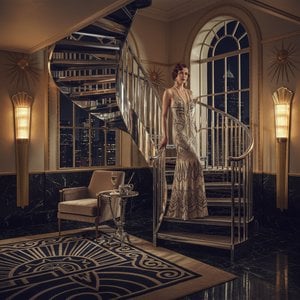
Discover the allure of Art Deco style with our expert guide to luxury interiors. Explore iconic influences from Erté to Jean Dunand and learn to curate a sophisticated space filled with timeless glamour and geometric elegance.

 設置イメージを確認
 送る
送る シェア
シェア
 詳細情報
詳細情報 ガイドを表示

 画像をダウンロード
 似ている作品
 X線調査
X線調査 スライドショー
 統計情報
統計情報 続きを読む
続きを読む









 ガラスオプションは、110cm未満のサイズでのみご利用いただけます。


