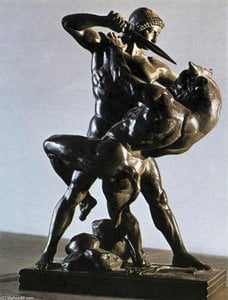
スピーディーな制作と多彩な仕上げオプションが魅力の、ミュージアムクオリティなジークレー・キャンバスプリント。 ( 手描きの複製画を注文する デジタル画像販売へ切り替え)
作品のオリジナル比率に合わせた、当店の規定サイズからお選びください。

特定のフレームやスペースに合わせて、ご自身でサイズを指定することも可能です。選択されたサイズが元の画像の比率と一致しない場合、作品をトリミングするか、鏡面反射または単色での塗りつぶしによって画像を拡張いたします。制作を開始する前に、ご確認用のデジタルモックアップをお送りいたします。
画面上のプレビューには、実際のトリミングや拡張は反映されませんのでご注意ください。最終的な構図を正確に確認できるのは、モックアップのみとなります。
カスタムサイズも承っておりますが、元の比率を維持するためには、あらかじめ用意されたリストからサイズを選択することをお勧めいたします。
Hebe
複製画サイズ一覧
ベルテル・トールヴァルドセン作「Hebe」が醸し出すElegantな雰囲気は、おすすめの空間であるLiving Roomにぴったりです。
「Hebe」はAccentに最適で、Living Roomへの飾るのがおすすめです。
Neoclassical Style運動において、「Hebe」はRecognizedの知名度を誇ります。
「Hebe」の背景には、ベルテル・トールヴァルドセンとNeoclassical Style運動があります。
はい、作品は作家の母国に保管されています。。作者はデンマークで生まれましたが、作品の真作はデンマークに所蔵されています。
ベルテル・トールヴァルドセン作「Hebe」はTallの構図です。プリントサイズを選択する前に、縦横比をご確認いただくことをお勧めします。
トールバルセン美術館に所蔵されているベルテル・トールヴァルドセン作「Hebe」は、パブリックドメイン(著作権消滅)です。このステータスにより、画像の複製が可能かどうかが決まります。
「Hebe」は1806年に制作され、Neoclassical Styleの様式に属しています。

アルベルト・ベルテル・トルバルセン(1770-1844)は、新古典主義芸術の理想をその作品に体現した、世界的な名声を持つデンマークおよびアイスランドの彫刻家です。彼の歩んだ道のりは、類まれなる才能とたゆまぬ研鑽、そして時代を超えて人々を魅了し続ける称賛に満ちた物語といえるでしょう。
デンマークのコペンハーゲンにて、アイスランドにルーツを持つ労働者階級の家庭に生まれたトルバルセンは、幼い頃から芸術的な才能の片鱗を見せていました。わずか11歳にして王立デンマーク美術アカデズムへの入学を許されたその卓越した技術は、1797年にローマへと渡るための奨学金をもたらしました。この旅こそが、彼の彫刻家としての運命を決定づける極めて重要な一歩となったのです。
永遠の都ローマは、トルバルセンの芸術的発展にとって理想的な環境となりました。彼は古典古代の研究に没頭し、古代の彫刻を丹念に模写することで、形態と比率の原則を深く吸収していきました。この献身的な探求心は、線の純粋さ、理想化された形態、そして静謐な壮大さを特徴とする、独自の新古典主義様式の確立へと彼を導いたのです。
トルバルセンの表現は、古代ギリシャ・ローマの彫刻家たちの作品のみならず、アントニオ・カノーヴァのような同時代の巨匠からも深い影響を受けていました。しかし、彼は次第にカノーヴァの華美な様式から距離を置き、より簡潔で抑制された表現へと向かっていきました。彼が彫り出した像には、単なる肉体的な美しさだけでなく、高潔な道徳的徳目までもが宿っているのです。
1838年、トルバルセンは国民的英雄としてデンマークへと帰還しました。彼の絶大な人気と芸術的重要性を象徴するように、デンマーク政府はコペンハーゲンに彼の作品を収蔵するためのトルバルセン美術館を建立しました。彼は1844年にこの世を去りましたが、その魂は今も美術館の中庭に眠り続けています。
ベルテル・トルバルセンは、新古典主義運動の形成において極めて重要な役割を果たしました。彼の彫刻は広く賞賛され、多くの後進たちに模倣されることで、世代を超えた芸術家たちに影響を与え続けてきました。彫刻における古典的な理想を見事に復活させた彼の功績は、技術的な熟練と芸術的なヴィジョンを融合させることで、19世紀で最も重要な彫刻家の一人としての地位を不動のものとしたのです。

1770 - 1844 , デンマーク

Embark on a sophisticated journey through the history of classical sculpture. From Ancient Greek mastery to Renaissance bronze, discover the profound beauty and enduring legacy of the world's most iconic sculptural masterpieces.

Master the nuances of three-dimensional art with our expert guide. Explore sculptural history, from Phidias to Neoclassicism, and learn to evaluate materiality, form, and technique like a true connoisseur. Elevate your collection with profound insights into the world of sculpture.

Embark on a sophisticated journey through the eternal allure of mythological art. Discover how master painters breathe life into ancient legends, from Greek deities to Baroque masterpieces, and learn to curate these timeless narratives within your own exquisite art collection.

Explore the refined world of Neoclassical portraiture. Discover the mastery of line, light, and order through an expert exploration of academic art history, from Jacques-Louis David to Jean-Antoine Houdon. Immerse yourself in the timeless elegance of classical realism.

Explore the profound legacy of marble sculpture, from Classical antiquity to Neoclassical mastery. A definitive guide for elite collectors and designers seeking to integrate the luminous, eternal beauty of stone into sophisticated, high-end architectural spaces.


 送る
送る シェア
シェア
 詳細情報
詳細情報 ガイドを表示

 画像をダウンロード
 似ている作品
 スライドショー
 統計情報
統計情報


 続きを読む
続きを読む






































 ガラスオプションは、110cm未満のサイズでのみご利用いただけます。