ウェブ上のプレビューを遥かに凌駕する、印刷に最適なファイルをご提供します。当サイトで販売しているすべてのデジタル画像は、弊社のデータベース内にある高解像度のマスターデータ(通常、幅5,000〜15,000ピクセル)から作成されています。そのため、大判印刷や大胆なクロップ、細部まで緻密な再現も、安心してお楽しみいただけます。
当スタジオから送り出される画像は、すべて丁寧に加工されています。デジタルエキスパートが原画と照らし合わせて色調を精査し、必要に応じて補正を行った上で、プロ仕様のリタッチツールを用いて鮮明さと細部を向上させます。その際、アーティストの筆致やスタイルに忠実であることを常に追求しています。その結果、単なるスキャン画像にフィルターをかけたようなものではなく、まるで本物の絵画を見ているかのような仕上がりを実現しています。
仕上がりをご確認いただいてから完了となります。専門スタッフが、ご確認用の画像を72時間以内にメールでお送りいたします。もしご満足いただけない場合は、修正や改善のご要望を承るほか、品質が基準に満たない場合には返金も可能です。
出版社、デザインスタジオ、ギャラリー、そして印刷所から信頼される品質です。
個人での鑑賞、印刷、クリエイティブなプロジェクトにご利用いただける高解像度ファイルをダウンロードできます。 ( プリント版に切り替え 手描き複製画を注文する)
WahooArt.com を選ぶことは、単に画像を手に入れることではありません。プロの手によって精密に仕上げられ、満足保証が付いた高品質なデジタルアートワークを受け取ることを意味します。ご注文いただいた際に自動的に付随する内容は、以下の通りです:
ご注文から72時間以内に、高解像度のデジタル画像ファイルをメールでお送りいたします。お手元に届き次第、すぐにご利用いただけます。
お客様の作品は、高度なAI技術と専門家による手作業を組み合わせてプロフェッショナルに最適化されており、細部のディテール、鮮明さ、そして正確な色再現性を最大限に引き出しています。
ファイルを誤って削除したり、紛失してしまったりしましたか?ご安心ください。いつでも無料で再送いたします。
関税や手数料、配送料を気にすることなく、お気に入りのアートワークをすぐにお楽しみいただけます。デジタルダウンロードは常に免税です。
プロ仕様のツールとカラーマネジメント技術を用いることで、デジタル画像が元の色を最大限に忠実に再現することを保証いたします。
ご購入いただいたデジタル画像にご満足いただけない場合は、100日以内であれば、理由を問わず修正または100%の返金対応をさせていただきます。
ご満足いただけない場合は、デジタルファイルを受け取ってから100日以内であれば、理由を問わず全額返金いたします。
3枚購入で10%OFF、5枚購入で15%OFF、10枚以上のご購入で20%OFF。クリエイティブなプロジェクトやギャラリー、エージェンシーに最適です。
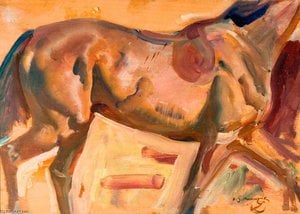
Adrian Jones作「The Soarer」の明るさはbalanced、輝度はGentle Luminanceと記録されています。
Adrian Jones作「The Soarer」は、作品のスライドショーページにてスライドショーとしてご覧いただけます。
「The Soarer」はAcademic Realismの様式に属しており、その作者は19th Centuryの時代に活動していました。

Born in the quiet landscape of Ludlow, Shropshire, on February 9, 1845, Adrian Jones possessed a spirit that was as much defined by scientific precision as it was by artistic passion. The son of James Brookholding Jones and Jane Marshall, his early years were steeped in an intense fascination with the animal kingdom, particularly the noble horse. While his father harbored reservations about a life dedicated to the arts, Jones pursued a path that would uniquely bridge the gap between science and aesthetics. By enrolling in the Royal Veterinary College in London in 1866, he secured his qualification as a veterinary surgeon, a decision that would later provide him with an unparalleled advantage in the studio. This deep, foundational knowledge of equine anatomy allowed him to perceive the subtle musculature, the tension of a tendon, and the rhythmic grace of a gallop with a clarity that few of his contemporaries could replicate.
His journey was not merely confined to the lecture halls of London; it was forged in the heat of global service. Joining the British Army as a veterinary officer in 1867, Jones’s life became an odyssey through Ireland, India, Abyssinia, Egypt, and South Africa. These years of military service instilled in him a profound sense of movement and a rugged, adventurous spirit. The diverse landscapes and cultures he encountered subtly permeated his artistic vision, lending a worldly depth to his later works. It was during this period of transition that he began to cultivate his sculptural talents, encouraged by the sculptor Charles Bell Birch. This mentorship helped transform a skilled surgeon into a rising star of the British art scene, leading to his triumphant debut at the Royal Academy in 1884 with A Hunter, one of the right sort.
As Jones transitioned from the battlefield to the studio, his reputation as a master of equestrian subjects grew with remarkable speed. His ability to capture the majesty and vitality of horses became his hallmark. In 1887, his bronze group Gone Away earned him first prize in the prestigious Goldsmiths’ Company competition, a milestone that solidified his standing among Britain's elite sculptors. His work was characterized by an extraordinary attention to detail and an ability to convey energy and motion within the stillness of bronze or the fluid strokes of oil on canvas. Whether depicting the spirited The Soarer or the joyful Merry Gal, Jones possessed a rare gift for imbuing his subjects with a sense of individual character and unbridled freedom.
His artistic repertoire extended beyond the sculptural medium into captivating paintings that are still celebrated today. In works such as Coronet, Merryman and Dewdrop, one can observe his mastery over light, shadow, and color. His paintings often feature:
The later years of Adrian Jones's life were marked by significant public contributions that moved beyond the purely aesthetic into the realm of national memory. Following the profound losses of the Boer War and World War I, Jones undertook several monumental commissions, creating war memorials that served as poignant tributes to fallen soldiers and their equine companions. These works, including his notable involvement with the Royal Marines Memorial, showcased his ability to use sculpture as a medium for collective mourning and historical preservation. His work became a permanent fixture in the British landscape, bridging the gap between private emotion and public commemoration.
By the time of his passing in 1938, Adrian Jones had left an indelible mark on the history of British art. He remains a singular figure—a man who could dissect the physical form with the precision of a surgeon and reimagine it with the soul of a poet. His legacy lives on through the countless admirers of his equine masterpieces, which continue to evoke the timeless beauty, strength, and spirit of the horse.

1845 - 1938
 設置イメージを表示
 シェアする
シェアする シェアする
シェアする
 詳細を見る
詳細を見る ガイドを表示

 ダウンロード
 似ている作品
 X線調査
X線調査 スライドショーを表示
 Q&A
Q&A
 統計情報
統計情報


 詳細を表示
詳細を表示