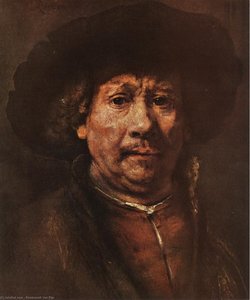
スピーディーな制作と多彩な仕上げオプションが魅力の、ミュージアムクオリティなジークレー・キャンバスプリント。 ( 手描き複製画を注文する デジタル画像販売へ切り替え)





























作品のオリジナル比率に合わせた、当店の規定サイズからお選びください。

額縁や壁のスペースに合わせて、ご希望の幅と高さを入力してください。プリントはカットすることは可能ですが、元の画像より大きくすることはできないため、異なる比率のサイズを選択された場合は、画像の一部が欠けることになります。印刷を開始する前に、内容を確認していただくためのデジタルモックアップをお送りいたします。このページに表示されている画像は、実際のカット後の状態を示すものではありません。実際の仕上がりはモックアップにてご確認ください。
A laughing peasant
複製画サイズ一覧
To encounter this portrait, "A laughing peasant," is to be instantly drawn into a moment suspended in time—a burst of uninhibited human delight captured on canvas. The central figure commands attention with his radiant expression; the laugh seems not merely painted, but breathed onto the surface, inviting the viewer into the warmth of his merriment. His beard and mustache frame a face alight with genuine amusement, suggesting a shared secret or a joke just whispered out of earshot. Flanking him, the other figures participate in this tableau of everyday life, their presence grounding the central joy while hinting at the rich tapestry of community interaction that defined Dutch genre painting.
The hand that rendered this piece belongs to Adriaen van Ostade, an artist whose genius lay in elevating the mundane into the magnificent. Van Ostade possessed an almost obsessive attention to detail, a hallmark of the Dutch Golden Age masters. While the subject matter—a gathering of common folk—might seem simple, the execution is anything but. Observe the texture suggested in the clothing, the subtle play of light across the skin, and the careful placement of every object, such as the chair anchoring the scene. His technique allows us to feel the weight of the hat on his head and the slight crinkle around his laughing eyes. It is a testament to his ability to imbue humble subjects with profound dignity.
Historically, this work situates itself within the vibrant tradition of genre painting. In Dutch Golden Age art, the everyday life of the merchant class and peasantry was not merely documented; it was celebrated. These scenes served as mirrors reflecting the burgeoning middle-class identity, where domesticity, leisure, and community were paramount themes. Van Ostade specialized in capturing these intimate moments, allowing us a privileged glimpse into the social fabric of Haarlem life centuries ago. The painting whispers tales of simple pleasures—a shared jest, a moment of respite from labor.
For the contemporary collector or designer, this reproduction offers more than just decoration; it offers an emotional anchor. The sheer vitality radiating from the laughing peasant is infectious. It speaks to the enduring human need for connection and joy. When considering this piece for a gallery wall or a richly decorated interior, one is not simply acquiring art, but rather curating an atmosphere of warmth and conviviality. It serves as a perpetual reminder to pause, smile, and appreciate the simple, beautiful moments that make up a life well-lived.
「A laughing peasant」に描かれている主題はpeasant portrait, genre scene, laughing man, dutch painting, group portrait, everyday lifeです。
アドリアーン・ファン・オスターデ作「A laughing peasant」に似た作品は、こちらの関連作品ページでご覧いただけます。
アドリアーン・ファン・オスターデ作「A laughing peasant」には、Golden Yellow Rangeの色調が全体に広がっています。


1610 - 1685 , オランダ
Explore the captivating world of Dutch Golden Age genre painting! Discover realistic depictions of daily life, masterful artists like Ostade & Metsu, and hidden symbolism. Learn about this influential art movement with WahooArt.

レンブラントの傑作25選。光と影の魔術師が描いた魂を揺さぶる名画の世界へ。美術史に残る自画像、夜警、宗教画…WahooArtで高品質なアートプリントやインテリアアートをお楽しみください。コレクションはこちら→

Explore the life & work of Adriaen van Ostade, a leading Dutch Golden Age painter. Discover his realistic genre scenes, social commentary, and lasting influence on art history. Learn more at WahooArt.

Explore the Dutch Golden Age of painting! Discover key artists like Vermeer & ter Borch, their innovative techniques, and the rich cultural context behind these Baroque masterpieces. Learn about collecting & appreciating this iconic art period.

Journey through the Golden Age with our guide to the Top 10 Dutch Baroque masterpieces! Explore iconic paintings by Rembrandt, Vermeer & Frans Hals. Find museum-quality art reproductions and elevate your home decor at WahooArt.com.
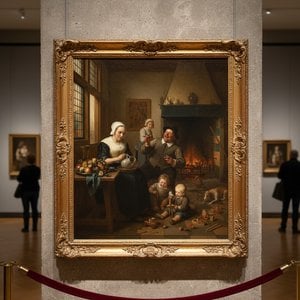
 設置イメージを表示
 シェアする
シェアする シェアする
シェアする
 詳細を見る
詳細を見る ガイドを表示

 ダウンロード
 似ている作品
 X線調査
X線調査 スライドショーを表示
 Q&A
Q&A
 統計情報
統計情報

 詳細を表示
詳細を表示









 ガラスオプションは、110cm未満のサイズでのみご利用いただけます。