
当社のアーティストが、お客様のご希望のサイズと額縁に合わせて、キャンバスに手描きで制作する油彩画です。 ( プリント版に切り替え デジタル画像販売へ切り替え)





























作品のオリジナル比率に合わせた、当店の規定サイズからお選びください。

特定のフレームやスペースに合わせて、ご希望のサイズをご入力いただけます。選択されたサイズが元の画像の比率と異なる場合、アートワークをトリミングするか、手描きで要素を追加して絵画を拡張いたします。デジタルモックアップ を制作し、制作開始前にご確認(承認)をいただきます。
画面上のプレビューは、実際のトリミングや拡張を正確に反映しているものではありません。最終的な構図は、モックアップによってのみ正確にご確認いただけます。
カスタムサイズもご利用いただけますが、元の比率を維持するためには、あらかじめ用意されたリストからサイズを選択することをお勧めいたします。

SARAH PRESENTE AGAR A ABRAHAM
複製画のサイズ
Adriaen van der Werff's "Sarah Presenting Agar to Abraham," a captivating work from the late 17th century, offers more than just a biblical scene; it’s a meticulously crafted tableau brimming with psychological depth, dramatic lighting, and an astute understanding of human emotion. Painted during the height of Dutch Baroque artistry, this oil on canvas depicts a pivotal moment in the Old Testament narrative – Sarah's decision to provide her aging husband Abraham with a handmaiden, Hagar, to secure an heir. Van der Werff doesn’t simply illustrate a story; he renders it with a profound sensitivity to gesture, expression, and the subtle interplay of light and shadow, creating an image that resonates with both historical significance and timeless human drama.
The composition itself is a masterclass in Baroque technique. A clear triangular structure anchors the scene: Abraham, positioned at the apex, commands attention with his dignified bearing; Sarah, to his right, embodies a complex blend of concern and resignation; and Hagar, lower down, conveys vulnerability and a quiet dignity. This deliberate arrangement draws the viewer’s eye through the carefully orchestrated space, which is defined by draped fabrics – rich in texture and color – and architectural elements that subtly suggest the confines of Abraham's household. The artist skillfully employs linear perspective to create a sense of depth within this intimate setting, layering figures and drapery to achieve a convincing illusion of spatial recession.
Van der Werff’s palette is dominated by warm, earthy tones – deep reds, browns, and golds—contrasted against the cooler blues and greens of the background. This creates a dramatic chiaroscuro effect, highlighting key areas like Abraham's face and torso, drawing attention to their expressions and gestures. The realistic rendering of flesh tones adds to the painting’s naturalism, while the subtle use of light not only sculpts the figures but also imbues the scene with an atmosphere of solemnity and introspection. Note particularly how the light catches the folds of Hagar's garment, revealing the texture of the fabric and adding a tactile quality to the image.
"Sarah Presenting Agar to Abraham" is rich in symbolic meaning. Beyond the literal depiction of a biblical event, the painting explores themes of faith, family dynamics, and the complexities of inheritance. Sarah’s expression—a mixture of sorrow and acceptance—suggests the weight of her decision and its potential consequences. Hagar's posture and gaze convey vulnerability and a quiet strength, highlighting her position as a woman dependent on the generosity (and ultimately, the judgment) of Abraham. The act of presenting Hagar is not merely a transaction; it’s a fraught moment laden with implications for lineage, social status, and the very future of Abraham's family.
As a leading figure in Dutch Baroque painting, Van der Werff masterfully employed techniques characteristic of the era. His meticulous attention to detail—evident in the rendering of fabrics, skin textures, and architectural elements—is combined with an expressive use of light and shadow to create a dramatic and emotionally charged scene. The influence of Eglon van der Neer, his mentor, is particularly evident in Van der Werff’s exceptional skill at depicting drapery, which here contributes significantly to the painting's overall sense of realism and grandeur. The work stands as a testament to Van der Werff’s ability to seamlessly blend historical narrative with psychological insight, solidifying his place among the most celebrated artists of his time.
WahooArt offers exquisite hand-painted reproductions of “Sarah Presenting Agar to Abraham,” allowing you to bring this iconic masterpiece into your home or office. Each reproduction is created by skilled artisans using traditional techniques and high-quality materials, ensuring that it captures the essence of Van der Werff’s original vision with stunning accuracy and detail.

オランダ黄金時代という壮大なタペストリーにおいて、
キャリアが進むにつれ、ヴァン・デル・ヴェルフは単なる技術的な熟練を超え、ヨーロッパの貴族たちを虜にするほどの心理的な深みに到達した。弟であり弟子でもあったピーテル・ファン・デル・ヴェルフと共に、彼はロッテルダムに畏敬を集めるアトリエを構えた。芸術界における彼の台頭は、聖ルカ・ギルドの指導者という地位によって象徴されている。この極めて名誉ある立場により、彼は当時の最も有力なパトロンたちの注目を集めることが可能となったのである。彼の作品は、初期のオランダ巨匠たちが持っていた力強いリアリズムと、芽生えつつあったロココ様式の洗練された優雅な感性とを結ぶ、架け橋となったのである。
ヴァン・デル・ヴェルフの全作品群における真の魔法は、古代の神話や聖書の物語に命を吹き込む能力に宿っている。彼は単に物語を挿絵として描いたのではない。彼はキアロスクーロ(明暗法)を駆使し、深い感情を呼び起こすような劇的な緊張感をもって、それらを舞台化してみせたのである。
彼の技術的なレパートリーは驚くほど多岐にわたり、肖像画から物語画に至るまで、さまざまな様式を自在に行き来することを可能にしていた。
アドリアーン・ファン・デル・ヴェルフの影響力は、オランダの国境を遥かに越えて広がっていた。「ファイン・ペインター(細密画家)」としての彼の名声は、プファルツ選帝侯ヨハン・ヴィルヘルムや、輝かしいアンナ・マリア・ルイザ・デ・メディチといった、ヨーロッパ王族の最高層からの庇護を勝ち取った。フィレンツェ宮廷のために描かれた記念碑的な作品の依頼は、彼がバロック時代における国際的な人物であったことの証左である。メディチ家の洗練された趣向を満たしたその手腕は、北方の精密さと南方の優雅さを融合させ得た芸術家としての彼の遺産を、確固たるものとしたのである。
究極的に、ヴァン・デル・ヴェルフの重要性は、過渡期を担った人物としての役割にある。彼はオランダ・リアリズムの根幹をなす要素――質感、光、そして真実への執着――を取り込み、それらを洗練された宮廷的な言語へと昇華させ、後の18世紀美術の軌跡に影響を与えたのである。偉大なるオランダ巨匠たちの時代はやがて新しい運動へと譲ることになるが、ヴァン・デル・ヴェルフが創り出したあの光り輝く磨き抜かれた世界は、バロック芸術の極致を示す不朽の記念碑として、今なお存在し続けている。

1659 - 1722 , オランダ
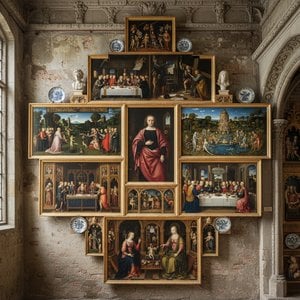
Journey into the Early Netherlandish Renaissance! Explore 10 iconic paintings by Jan van Eyck, Rogier van der Weyden & more. Discover stunning detail, symbolism, and oil painting techniques. Find museum-quality art reproductions for your home at WahooArt.com.
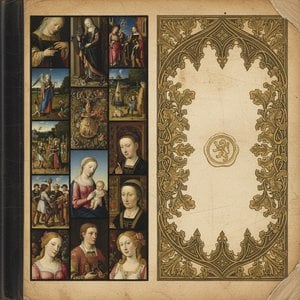
Journey into the world of Early Netherlandish painting! Explore 10 masterpieces by Jan van Eyck, Rogier van der Weyden & more. Discover stunning detail, symbolism & Renaissance art for your home decor. Find museum-quality reproductions on WahooArt.com

レンブラントの傑作25選。光と影の魔術師が描いた魂を揺さぶる名画の世界へ。美術史に残る自画像、夜警、宗教画…WahooArtで高品質なアートプリントやインテリアアートをお楽しみください。コレクションはこちら→

Explore the revolutionary art of Rogier van der Weyden, a pivotal figure of the Early Netherlandish Renaissance. Discover his emotional realism, innovative compositions, and lasting impact on painting history.

Explore the revolutionary art of Hugo van der Goes – a master of Early Netherlandish painting renowned for his dramatic realism, psychological depth & profound influence on Renaissance artists. Discover his iconic works and lasting legacy.


 プレビュー
プレビュー
 シェアする
シェアする シェアする
シェアする
 詳細を見る
詳細を見る ガイド
ガイド

 ダウンロード
 似ている作品
 X線調査
X線調査 スライドショー
 統計情報
統計情報


 詳細を見る
詳細を見る









 ガラスオプションは、110cm未満のサイズでのみご利用いただけます。


