
x


 Acrylic On CanvasWallArtGerman Realism
 1846
1846 5.0 x 90.0 cm
 シュタットリッヒェ・クンストハレ・カールスルーエ
迅速な制作と多彩な仕上げオプションを備えた、ミュージアムクオリティのジークレーまたはキャンバスプリント。 ( 手描きの絵画を購入 画像を購入)





























作品のオリジナル比率に合わせた、当店の規定サイズからお選びください。

特定のフレームやスペースに合わせて、ご自身でサイズを指定することも可能です。選択されたサイズが元の画像の比率と一致しない場合、作品をトリミングするか、鏡面反射または単色での塗りつぶしによって画像を拡張いたします。制作を開始する前に、ご確認用のデジタルモックアップをお送りいたします。
画面上のプレビューには、実際のトリミングや拡張は反映されませんのでご注意ください。最終的な構図を正確に確認できるのは、モックアップのみとなります。
カスタムサイズも承っておりますが、元の比率を維持するためには、あらかじめ用意されたリストからサイズを選択することをお勧めいたします。

The Disturbance
複製画のサイズ
Adolph von Menzel’s “The Disturbance,” painted in 1846, isn't merely a portrait; it’s a meticulously observed slice of bourgeois life rendered with the precision and psychological depth characteristic of the German Realist movement. This intimate scene, housed within the State Art Gallery of Karlsruhe, captures a fleeting moment of domestic tension – a subtle discordance simmering beneath the veneer of polite society. The painting depicts two women seated in a dimly lit parlor, one at a piano while the other stands nearby, seemingly observing or perhaps even subtly challenging her companion’s focus. The room itself is richly detailed: a vase sits on a side table, suggesting an attempt to maintain order and elegance amidst the underlying unease, while a clock hangs above the piano, a silent reminder of the passage of time and the pressures of societal expectations.
Menzel’s genius lay not just in his technical skill – though undeniably masterful – but in his ability to distill complex human emotions into deceptively simple compositions. He was a student of observation, spending countless hours sketching everyday scenes, from bustling marketplaces to quiet moments within private homes. This dedication is evident in the incredibly detailed rendering of the women’s clothing, the textures of the furniture, and even the subtle shadows that play across their faces. The artist's use of light and shadow creates a sense of depth and realism, drawing the viewer into this intimate tableau. Notably, Menzel employed a technique known as *pointillé*, using tiny dots of paint to build up texture and create an illusion of shimmering surface detail – a hallmark of his mature style.
“The Disturbance” offers a fascinating glimpse into the social dynamics of mid-19th century Prussia. Menzel, deeply sympathetic to the Prussian monarchy and its values, frequently depicted scenes from Frederick the Great’s reign, but also sought to capture the complexities of everyday life within the kingdom. This painting reflects the growing interest in documenting the realities of bourgeois society – a shift away from idealized historical narratives towards a more nuanced portrayal of contemporary life. The scene speaks to the constraints placed upon women during this era, suggesting a subtle power dynamic and perhaps even a hint of suppressed rebellion. The quiet tension between the two figures hints at unspoken desires or unresolved conflicts, reflecting the anxieties and uncertainties of a rapidly changing society.
While seemingly straightforward, “The Disturbance” is rich in symbolic meaning. The piano, often associated with domestic harmony and refinement, becomes a focal point of discord. The woman at the instrument represents perhaps a desire for creative expression or social engagement, while her companion’s stance suggests a degree of detachment or disapproval. The muted color palette – dominated by browns, grays, and creams – reinforces the atmosphere of quiet tension and unspoken emotions. Menzel masterfully uses these visual cues to evoke a sense of melancholy and introspection, inviting viewers to contemplate the hidden currents beneath the surface of everyday life. The painting’s enduring power lies in its ability to capture a universal human experience: the subtle complexities of relationships and the ever-present undercurrent of unspoken feelings.
A faithful reproduction of “The Disturbance” brings this captivating scene into any space, offering a touch of understated elegance and intellectual depth. Available in various sizes, from compact 5x90cm prints to larger formats suitable for statement walls, these reproductions capture Menzel’s meticulous detail and evocative atmosphere. Consider framing options that complement the painting's muted tones – a simple black frame will highlight the artwork's inherent drama, while a warmer wood tone can add a touch of rustic charm. “The Disturbance” is more than just a beautiful image; it’s an invitation to engage with the complexities of human emotion and the enduring legacy of one of Germany’s greatest artists.


1815 - 1905 , ポーランド

Explore the life & work of Adolph von Menzel, a leading German Realist painter. Discover his detailed depictions of Prussian society, innovative techniques, and lasting influence on art history. Hand-painted reproductions available at WahooArt.

Explore the rich history of women in art – from iconic muses to groundbreaking artists. Discover feminist movements, global perspectives & reclaim female narratives with WahooArt.

Explore the rich history of women in art – from archetypal representations to contemporary voices challenging norms. Discover iconic artists & movements, and learn about reclaiming female narratives through painting and beyond.
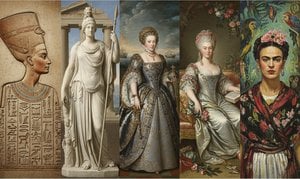
Explore the rich history of women in art – from iconic muses to groundbreaking artists. Discover feminist movements & reclaim female narratives with WahooArt. Expert insights for discerning collectors.

Explore the rich history of formal portraiture & its enduring power to capture identity and shape perception. Discover investment-worthy artworks, expert appraisals, and custom reproduction services at WahooArt.


最新の美術ニュース、限定オファー、そしてインテリアのアイデアをいち早くお届けします。
お客様のプロジェクトについてお聞かせください。当社の美術専門家が、お客様に合わせた3つのパーソナライズされた芸術提案をご提供いたします。
あなたにぴったりの3作品を無料で厳選いたします


 プレビュー
プレビュー
 シェアする
シェアする シェアする
シェアする
 詳細を見る
詳細を見る

 ダウンロード
 似ている作品
 X線調査
X線調査 スライドショー
 詳細を見る
詳細を見る









 ガラスオプションは、110cm未満のサイズでのみご利用いただけます。


