

 Acrylic On CanvasWallArtBlack Washington Photography
 1911
1911 34.0 x 41.0 cm
 National Portrait Gallery
このページに掲載されている作品は著作権法によって保護されており、当社の許可なく同一の複製物を制作または販売することは法律で禁じられています。この保護は、以下のような国際条約に基づき執行されます。 ベルヌ条約 および、以下の条項に定められたものを含む各国の法律により、 米国著作権法 第17編。
この手法は、著作権で保護された作品の複製や複写を伴わないため、著作権法に完全に準拠しています。これは単なる模倣ではなく、創造的な再解釈です。元の作品からインスピレーションを受けつつも、それとは異なる、全く新しい絵画を生み出すものです。
スピーディーな制作と多彩な仕上げオプションが魅力の、ミュージアムクオリティなジークレー・キャンバスプリント。 ( 手描きの複製画を注文する デジタル画像販売へ切り替え)





























作品のオリジナル比率に合わせた、当店の規定サイズからお選びください。

額縁や壁のスペースに合わせて、ご希望の幅と高さを入力してください。プリントはカットすることは可能ですが、元の画像より大きくすることはできないため、異なる比率のサイズを選択された場合は、画像の一部が欠けることになります。印刷を開始する前に、内容を確認していただくためのデジタルモックアップをお送りいたします。このページに表示されている画像は、実際のカット後の状態を示すものではありません。実際の仕上がりはモックアップにてご確認ください。
W. E. B. Du Bois
複製画サイズ一覧
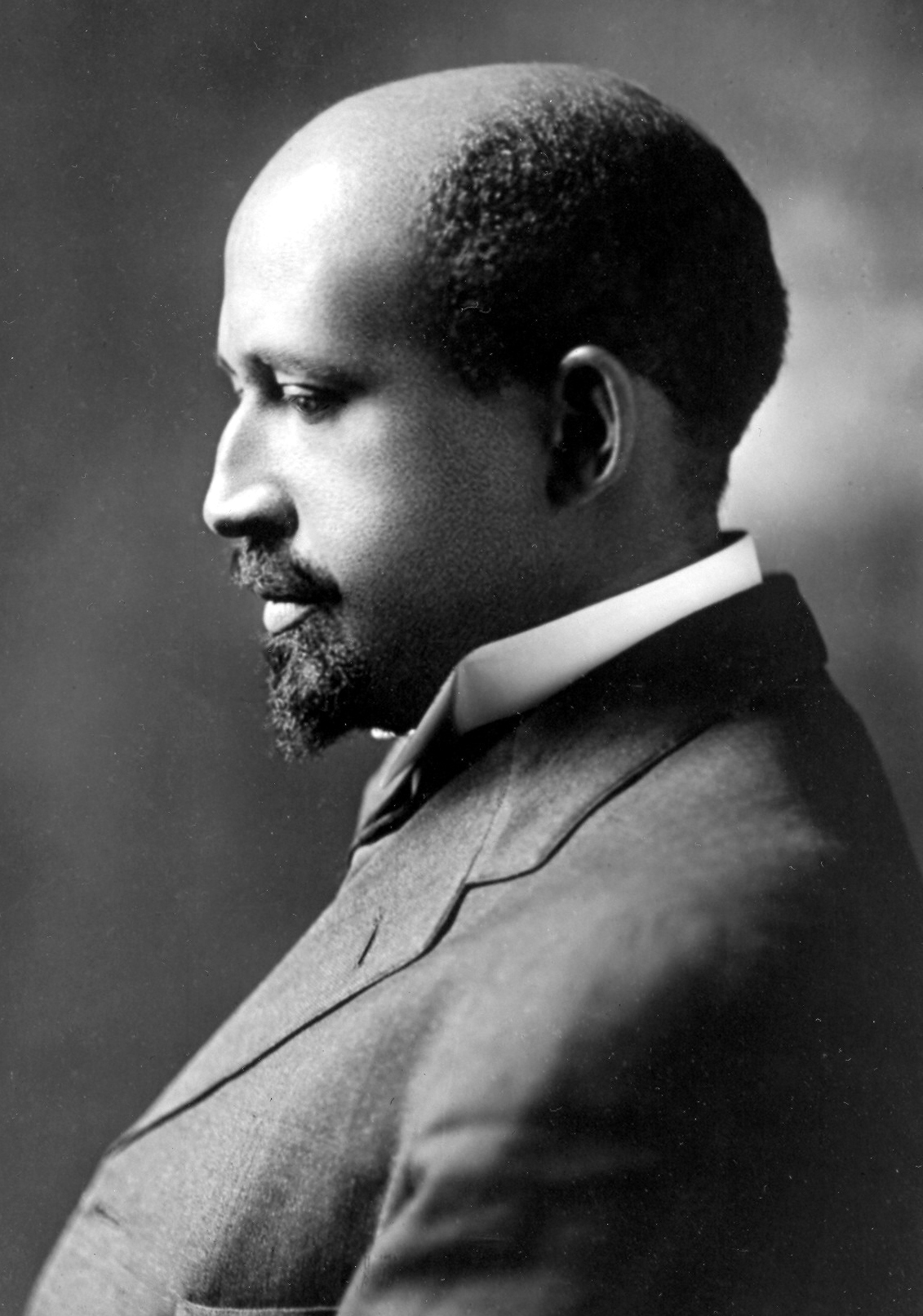
Addison Norton Scurlock's 1911 photograph of W. E. B. Du Bois stands as more than just a portrait; it is a meticulously crafted document of an era, a visual embodiment of the complex social and intellectual currents shaping early 20th-century America. The image captures Du Bois not merely as a prominent scholar and activist, but as a man wrestling with the profound “double consciousness” – a term he himself coined – that defined the Black experience in a nation grappling with its own identity. Scurlock’s skill lies not just in his technical proficiency, but in his ability to subtly convey the weight of this historical burden through composition, light, and the very gaze of the subject.
(Image courtesy of Smithsonian Archives)
Scurlock's work was deeply rooted in the vibrant, yet often overlooked, community of African Americans in Washington D.C. during this period. He wasn’t simply a portraitist; he was an active participant in documenting the daily lives, cultural expressions, and political aspirations of Black Washingtonians. His studio became a central hub, a place where families sought dignified portraits – a tangible assertion of their presence and identity within a society that frequently denied them recognition. The photograph itself reflects this community engagement, hinting at a setting beyond the formal studio, suggesting a moment captured in a more relaxed, intimate environment.
The backdrop, though subtly rendered, speaks volumes about the era. It’s not a grand cityscape or an opulent interior; instead, it suggests a quiet street scene – a deliberate choice that anchors Du Bois within his immediate context and highlights his connection to the everyday realities of Black life in Washington.
Scurlock's mastery is evident in the photograph’s nuanced details. The use of black and white gelatin silver print lends a timeless quality, with subtle tonal variations creating depth and texture. Note the careful control of light – it illuminates Du Bois’s face, drawing attention to his thoughtful expression while leaving the background softly shadowed. This technique emphasizes the subject's presence without overwhelming him. The composition is carefully balanced; Du Bois’s posture conveys a sense of quiet contemplation, while his slightly turned head invites the viewer into his thoughts.
Furthermore, Scurlock’s use of photographic techniques—particularly in capturing the subtle nuances of expression—demonstrates an understanding that went beyond mere documentation. He was striving to create a portrait that resonated with both intellectual and emotional depth.
Du Bois's gaze, directed slightly off-camera, is particularly significant. It’s not a direct, confrontational stare; rather, it suggests introspection and a considered awareness of his position within American society. This subtle shift in focus powerfully embodies the concept of "double consciousness" – the feeling of always looking at oneself through the eyes of others, as articulated by Du Bois himself. The photograph becomes a visual representation of this internal struggle: the simultaneous experience of being both an African American and an American citizen.
The image serves as a poignant reminder of the challenges faced by Black intellectuals during this period – the constant need to navigate racial prejudice while striving for social justice and intellectual advancement. Scurlock’s photograph is not simply a portrait; it's a powerful testament to Du Bois’s legacy and the enduring significance of his ideas.
アディソン・N・スカーロック作「W. E. B. Du Bois」 の人気度は Recognized です。この分類は、その作品がどの程度広く知られているかを表しています。
アディソン・N・スカーロック作「W. E. B. Du Bois」に記録された情緒的なトーンはReflectiveです。これは、作品が表現している感情を要約したものです。
「W. E. B. Du Bois」はafrican american, du bois, photography, washington dc, civil rights, portraiture, 1911を描いていますが、アディソン・N・スカーロックのこれまでのテーマとして記録されているのはdocumenting black washington life, civil rights, social justice themes, du bois’s racial theories reflected, scurlock’s pioneering photographic work, visualizing african american identityです。この二つを比較することで、本作が作家のいつもの主題とどのように関連しているかが明らかになります。


Embark on a journey through the 'Floating World' with our expert guide to Ukiyo-e. Discover the profound history, legendary masters like Hokusai and Harunobu, and the enduring influence of Japanese woodblock prints on global art history.

Explore the ephemeral beauty of Japanese Ukiyo-e art. From the dynamic warriors of Kuniyoshi to serene landscapes, discover the profound history, masterful techniques, and global influence of these iconic woodblock prints in our deep cultural retrospective.

Embark on a visual journey through the ephemeral beauty of Ukiyo-e. Discover the masters of the floating world, from dynamic warriors to Kabuki legends, and explore the profound cultural legacy of Japanese woodblock printing in this expert guide for art enthusiasts.

Explore the profound beauty of Japanese Ukiyo-e art. Discover the legacy of Hokusai and the Utagawa school through an expert exploration of Edo-period aesthetics, seasonal motifs, and the enduring global influence of Japan's 'Floating World' on fine art history.

 設置イメージを確認
 送る
送る シェア
シェア
 詳細情報
詳細情報 ガイドを表示

 画像をダウンロード
 似ている作品
 X線調査
X線調査 スライドショー
 統計情報
統計情報 続きを読む
続きを読む









 ガラスオプションは、110cm未満のサイズでのみご利用いただけます。


