

スピーディーな制作と多彩な仕上げオプションが魅力の、ミュージアムクオリティなジークレー・キャンバスプリント。 ( 手描きの複製画を注文する デジタル画像販売へ切り替え)
作品のオリジナル比率に合わせた、当店の規定サイズからお選びください。

額縁や壁のスペースに合わせて、ご希望の幅と高さを入力してください。プリントはカットすることは可能ですが、元の画像より大きくすることはできないため、異なる比率のサイズを選択された場合は、画像の一部が欠けることになります。印刷を開始する前に、内容を確認していただくためのデジタルモックアップをお送りいたします。このページに表示されている画像は、実際のカット後の状態を示すものではありません。実際の仕上がりはモックアップにてご確認ください。
Untitled
複製画サイズ一覧

The life of Adam Hilary Bernard Chmielowski is a profound tapestry woven from threads of revolutionary fervor, artistic brilliance, and ultimate spiritual surrender. Born into a noble szlachta family in Igołomia, near Kraków, his early years were shaped by the turbulent winds of Polish history. A passionate nationalist, Chmielowski threw himself into the January Uprising of 1863, an endeavor that would leave an indelible mark upon his physical being. During the brutal combat at the Battle of Mełchów, a Russian grenade struck his horse, resulting in a devastating injury that necessitated the amputation of his left leg. This moment of intense suffering, endured without anesthesia, became a cornerstone of his spiritual identity, as he offered his pain to God for the cause of Polish independence.
Driven from his homeland by the repressive Czarist authorities, Chmielowski embarked on a journey through Europe that would unexpectedly reveal his latent artistic genius. From studying engineering in Ghent, Belgium, to immersing himself in the vibrant art scenes of Paris and Munich, he began to cultivate a mastery over the brush. At the Royal Academy of Fine Arts in Munich, he found himself surrounded by a circle of influential Polish contemporaries, including Józef Chełmoński and Aleksander Gierymski. It was during this period of wandering and discovery that his talent blossomed, transitioning from a student of science to a celebrated figure in the Polish art world.
As an artist, Chmielowski emerged as a significant representative of the Realism movement during the 1870s, with his work later anticipating the subtle, emotive tendencies of Symbolism. His technical prowess was characterized by nuanced palette work, delicate color nuances, and a deep, pantheistic philosophy that sought to find the divine within the natural world. He drew inspiration from masters such as Corot, Millet, and Courbet, blending their influence with a unique sensitivity to the human condition. His extant output, consisting of numerous oils, watercolours, and drawings, reflects a profound engagement with both landscape and the human spirit.
His repertoire includes works that capture the essence of Polish life and religious devotion. Some of his most notable paintings include:
Despite achieving fame and success in Kraków and Warsaw, Chmielowski found the trappings of celebrity and the pursuit of art to be ultimately hollow. A deep-seated compassion for the suffering of the poor, which he witnessed firsthand while volunteering in homeless shelters, began to pull him away from the easel. This internal struggle led to a period of intense reflection and even bouts of depression, yet it ultimately paved the way for his most radical achievement: the abandonment of his professional career to embrace a life of absolute poverty.
In 1887, he took the name Brother Albert and joined the Third Order of Saint Francis. He did not merely seek solitude in prayer but chose to live among the most marginalized members of society. Alongside his religious brothers and sisters, he founded the Albertine Brothers and the Albertine Sisters, congregations dedicated to serving the homeless, the sick, and the destitute. By auctioning his own paintings to fund the reform of Kraków's shelters, he transformed his artistic legacy into a living instrument of charity. His life remains a singular example of how the creative impulse can be entirely surrendered to a higher calling, turning the artist's gaze from the beauty of the canvas to the dignity of the human soul.
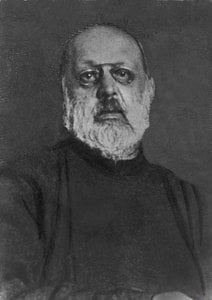
1845 - 1916 , Russia

Discover the profound allure of oil on canvas. Explore the mastery of impasto textures, the science of pigment longevity, and expert guides to selecting museum-quality reproductions that elevate your collection with timeless elegance and tactile depth.

Discover the enduring allure of oil on canvas. Explore how master techniques like impasto and glazing create the depth, texture, and emotional resonance found in the world's greatest masterpieces. An essential guide for fine art enthusiasts and discerning collectors.

Elevate your collection with the tactile elegance of hand-painted oil masterpieces. From bespoke reproductions to custom portraits from photography, discover museum-quality artistry crafted by academy-trained experts for discerning collectors and designers worldwide.

 設置イメージを確認
 送る
送る シェア
シェア
 詳細情報
詳細情報 ガイドを表示

 画像をダウンロード
 似ている作品
 X線調査
X線調査 スライドショー
 統計情報
統計情報
 続きを読む
続きを読む






































 ガラスオプションは、110cm未満のサイズでのみご利用いただけます。


