


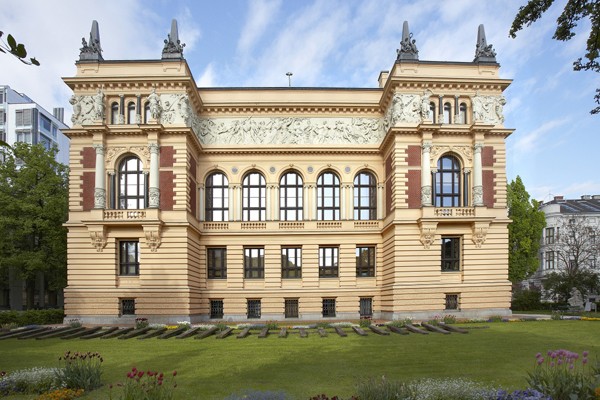


A Chronicle of Upper Austria: The Oberösterreichisches Landesmuseum Within Linz Castle
Nestled within the formidable walls of Linz Castle, a structure itself steeped in centuries of Austrian history, lies the Oberösterreichisches Landesmuseum – more than just a museum, it’s a vibrant chronicle of the region's evolution. Founded in 1833 by Reichsritter Anton von Spaun, this institution began as a modest “Verein des vaterländischen Museums,” driven by a shared passion for preserving and showcasing the cultural and natural heritage of Upper Austria. Today, it stands as a multifaceted testament to the area’s rich past, offering visitors an immersive journey through archaeology, natural sciences, technology, and, crucially, fine arts – all housed within a building that has witnessed empires rise and fall.
The castle's transformation over time mirrors Austria’s own. Originally conceived as a Roman fort, Lentia, it evolved into a medieval fortress before being dramatically reshaped under Emperor Frederick III in the 15th century, becoming an imperial residence. A significant renovation occurred during the reign of Emperor Rudolf II in the early 17th century, imbuing the castle with its distinctive Renaissance appearance – a harmonious blend of Gothic and Italianate styles that continues to captivate visitors today. Throughout its long history, Linz Castle has served as everything from a palace and military hospital to a prison and barracks, each iteration adding another layer to its complex narrative. The museum’s relocation here in 1963 was not merely a change of address; it was an affirmation of the castle's enduring significance as a repository of Upper Austrian identity.
A Tapestry of Collections: From Ancient Artifacts to Technological Marvels
The Oberösterreichisches Landesmuseum’s strength lies in its remarkably diverse collection, deliberately assembled to provide a holistic understanding of the region. Its archaeology department unveils millennia of history through meticulously curated artifacts – from Roman coins and tools to intricate Celtic jewelry, offering tangible connections to Upper Austria's ancient past. The natural sciences wing is equally impressive, showcasing geological formations, botanical specimens, and zoological exhibits that celebrate the region’s remarkable biodiversity. A dedicated section explores the evolution of technology, tracing innovations from early industrial advancements to more recent milestones, reflecting Upper Austria’s role in shaping modern progress.
However, it is the museum's fine arts collection that often draws the most attention. Here, visitors encounter a stunning array of paintings, sculptures, and decorative arts spanning numerous periods. A particular highlight is its significant holdings related to the Danube School of painting – a regional artistic movement characterized by its luminous colors, dramatic lighting, and evocative depictions of religious subjects. Amongst these treasures resides works by Albrecht Altdorfer, a master whose influence resonates deeply within the museum’s collection, embodying the spirit and artistry of the region.
Provenance and Remembrance: A Commitment to Ethical Stewardship
What truly distinguishes the Oberösterreichisches Landesmuseum is its unwavering commitment to transparency and ethical collecting practices. Recognizing the complex history surrounding art collections, particularly during the Second World War, the museum has undertaken extensive provenance research – meticulously investigating the origins of each artwork in its holdings. This dedication to uncovering the past, especially concerning pieces acquired during that era, demonstrates a profound respect for historical truth and a commitment to acknowledging difficult legacies. The museum’s efforts are not simply about cataloging objects; they're about honoring the stories behind them, ensuring that the narratives surrounding these works of art are as complete and honest as possible.
Beyond the Walls: Exhibitions and Unique Experiences
The museum offers more than just a static display of artifacts. Regular exhibitions delve into specific themes within Upper Austrian’s history and culture, providing fresh perspectives on familiar subjects. The museum's origins as the “Francisco-Carolinum” – a private collection established by Emperor Ferdinand III – is explored in detail, illustrating the evolution from a small, privately-funded institution to the expansive cultural center it is today. Furthermore, the museum’s location within Linz Castle itself provides an unparalleled experience, allowing visitors to wander through centuries of architectural history while exploring its remarkable collections. The Oberösterreichisches Landesmuseum isn't just a place to see art; it’s a portal into the soul of Upper Austria.




