

A Gauguin Girl (1907) Max Weber leghíresebb festménye. Figures in a Landscape (1911) és Woman Reading (1916) a következő két mű, amelyeket a világ a legjobban ismer. A Max Weber 76 műve közül íme a 75 legnépszerűbb alkotás, amelyeket a gyűjtők és a múzeumlátogatók a leggyakrabban tekintik meg, évszámával, múzeumával és a mű történetével együtt.
A rangsorolásunkat a népszerűségi pontszám határozza meg, amely az egyes művek kereséseit, látogatottságát és megrendeléseit ötvözi. Frissítve: október 2026.


A négy leggyakoribb téma ezek között a mesterdarabok közül, mindegyik legkivágtebb példájával.
A 8 olyan múzeum, amely a legtöbb ezen az oldalon szereplő festményet őrzi.
| Múzeumok | Város | Max Weber művei | Ebből a listából származó festmények |
|---|---|---|---|
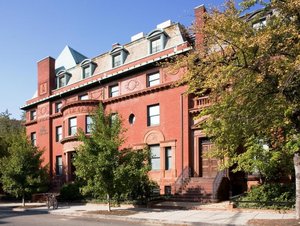 The Phillips Collection |
Washington, D.C. | 5 | High Noon, Colonial Bowl, Rabbi |
 Brooklyn Museum |
Brooklyn | 2 | The Visit, The Cellist |
 John és Mable Ringling Művészeti Múzeum |
Sarasota | 1 | Untitled (Still Life) |
 Művészeti Múzeum, Boston |
Boston | 1 | Path in the Woods |
 Whitney Múzeum |
Új-York | 1 | Adoration of the Moon |
 Art Institute of Chicago |
Chicago | 1 | Still Life |
 Metropolitan Művészeti Múzeum |
New York | 1 | Pacific Coast |
 Smithsonian American Art Museum |
Washington, D.C. | 1 | Summer |


Gauguin Girl (1907). Ezután következik Figures in a Landscape (1911) és Woman Reading (1916).
26 éves: Gauguin Girl 1907-ből származik, Max Weber pedig 1881 évfolyamon született.
Gauguin Girl, Figures in a Landscape, Woman Reading, Untitled (Still Life), Path in the Woods, untitled (1109), untitled (2416), untitled (5652), untitled (8675) és untitled (7238). A fenti rangsor a művek évszámát és a múzeumát jelzi.
Katalógusunkban 76 mű található Max Weber alkotótól, 1907 és 1952 közötti időszakból.
A legtöbbjüket The Phillips Collection (Washington, D.C.), Brooklyn Museum (Brooklyn) és John és Mable Ringling Művészeti Múzeum (Sarasota) találhatja meg. A fenti táblázatban a múzeumokat egymás után soroljuk fel.
1940s idején: a jelen laphonon található 75 műből 5 származik onnan, köztük Untitled (Still Life).
A legkorábbi alkotás ezen az oldalon Gauguin Girl (1907), a legutóbb pedig Pacific Coast (1952).
Nude figures (3), Melancholy mood (2) és American art (2), a jelen oldalon található 75 mű közül.
Cubism, ahogy azt ezen az oldalon látható festmények is mutatják.
A High Noon, Colonial Bowl és Rabbi a 5 mű közül foglal helyet ezen az oldalon, amelyeket a The Phillips Collection, Washington, D.C. tartományában őrzik.
In 1905, Weber ventured to Europe, specifically Paris—the undisputed epicenter of avant-garde thought. His initial foray into the Académie Julian was merely preparatory; it was his immersion in the city’s vibrant artistic milieu that truly ignited his creative spirit. He forged enduring friendships with Henri Rousseau—whose naive yet profoundly evocative style captivated him—and found himself drawn into the orbit of luminaries like Henri Matisse and Pablo Picasso—artists who dared to dismantle conventional notions of representation. Weber frequented Gertrude Stein's salon, a legendary gathering place for artists, writers, and intellectuals, absorbing the latest currents in poetic discourse and artistic theory. This exposure to the School of Paris fundamentally recalibrated his artistic trajectory.
Upon returning to New York in 1909, Weber assumed the role of a cultural ambassador—boldly introducing Cubism to an American audience largely unfamiliar with its revolutionary principles. His early canvases during this period—such as Chinese Restaurant (1915)—stand as compelling testament to his embrace of Cubist fragmentation and geometric abstraction. However, this pioneering spirit was met not with universal acclaim but with vehement opposition from segments of the art establishment.
The 1911 exhibition at the 291 Gallery—organized by Alfred Stieglitz—marked a watershed moment—and an agonizing one for Weber. His paintings were subjected to what many consider “one of the most merciless critical whippings” ever endured by an American artist. Critics dismissed his work as “brutal,” “vulgar,” and utterly devoid of artistic merit, labeling it as a betrayal of traditional aesthetic values.
Despite this disheartening censure—and fueled by unwavering conviction—Weber persevered in his artistic pursuits. He recognized the importance of Stieglitz’s patronage and the encouragement offered by fellow artists Alvin Langdon Coburn, Clarence White, and John Cotton Dana—who championed Weber's vision as a crucial step toward legitimizing modernist aesthetics.
The sustained barrage of negative criticism prompted Weber to reassess his artistic direction. Around 1920, he began to temper his Cubist explorations with elements of Expressionism—a stylistic choice that allowed him to convey profound emotion and psychological depth. Simultaneously, Weber deepened his engagement with Jewish iconography—incorporating motifs from Jewish tradition into his paintings—reflecting a renewed connection to his heritage and exploring themes of faith, family, and remembrance.
Weber’s legacy extends beyond his artistic achievements; he stands as a pivotal figure in the history of American Modernism—a testament to resilience, innovation, and the transformative power of confronting adversity. His unwavering belief in artistic experimentation—coupled with his profound sensitivity to cultural identity—continues to inspire artists today.


