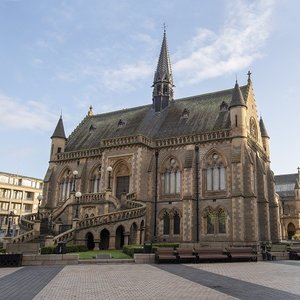
Frederick Morgan, 1847 – 1927

A 83 legnévesebb festménye: Frederick Morgan

Frederick Morgan nevéét Bob Apple mű maakte ismertté. Charity és Yuletide követik őket a gyűjtők és a múzeumi látogatók elősörvetében. A Frederick Morgan katalógusában található 83 mű közül ezek a 83 a legcsodálatosabbak, melyeket dátummal, múzeummal és a műre jellemző különlegességekkel mutatunk be.

A rangsorolásunkat a népszerűségi pontszám határozza meg, amely az egyes művek kereséseit, látogatottságát és megrendeléseit ötvözi. Frissítve: október 2026. Az ezen az oldalon található összes remekmű megrendelhető múzeumi minőségű, kézzel festett olajfestmény másolatként vagy fine art nyomtatásként, a választott méretben.

Frederick Morgan portréja
Frederick Morgan · 1847 – 1927
Született · meghalt
1847 – 1927
Mozgalom
Contemporary realism
A katalógusban szereplő művek
83
Legnépszerűbb
Bob Apple
A legtöbb művel a
Mcmanus: Dundee's Art Galleries And Museums

Frederick Morgan: a tíz remekmű

Bob Apple szerzője Frederick Morgan
1

Bob Apple

Oil On Canvas

In this oil on canvas, we find ourselves drawn into a quiet, pastoral scene that feels as though it were captured during a soft afternoon in the English countryside. A woman stands beneath the heavy branches of an apple tree, her figure framed by the lush, shaded greenery of the orchard. She is dressed in a light pink blouse and a white apron, her movements focused on the task of…

Charity szerzője Frederick Morgan
2

Charity

Oil

In Charity, Frederick Morgan captures a quiet moment of sustenance. A woman sits amidst the grass, her presence a steady anchor for the young children gathered around her. They are caught in a pause of leisure, their small forms clustered near a picnic spread. The scene is a traditional genre painting, a window into a domestic afternoon where the only urgency is the sharing of treats. A white bonnet and…

Yuletide szerzője Frederick Morgan
3

Yuletide

Oil On Canvas

In the painting titled Yuletide, Frederick Morgan depicts two young children, a boy and a girl, as they move through a landscape covered in snow. The children are positioned centrally within the scene, walking together through the wintry environment. The girl wears a red coat that provides a point of color against the surrounding white and muted tones. She carries a basket as they walk. The boy is dressed in…

További Frederick Morgan remekművek, 11től 83ig

Frederick Morgan festményei időszakok szerint

A leggyakoribb témakörök, amelyeket Frederick Morgan festett

A négy leggyakoribb téma ezek között a mesterdarabok közül, mindegyik legkivágtebb példájával.

Hol láthatja Frederick Morgan festményeit

A 2 olyan múzeum, amely a legtöbb ezen az oldalon szereplő festményet őrzi.

Múzeumok Város Frederick Morgan művei Ebből a listából származó festmények
Mcmanus: Dundee's Art Galleries And Museums, DundeeMcmanus: Dundee's Art Galleries And Museums Dundee 1 A Modern Eve
Sheffield City Art Galleries, SheffieldSheffield City Art Galleries Sheffield 1 Gleaners

Frederick Morgan, évtizedenként: az évtized meghatározó festményei

  1. 1870s
  2. 1880s
    A Modern Eve (1882) szerzője Frederick Morgan
    6. / 83

    A Modern Eve

    Kor: 33 – 42 év · Mcmanus: Dundee's Art Galleries And Museums
  3. 1890s
  4. 1900s

Frederick Morgan remekművei: kérdések és válaszok

Melyik festményről ismert leginkább Frederick Morgan?Mutasd meg a választ

Bob Apple. Ezután következik Charity és Yuletide.

Melyek Frederick Morgan tíz legnagyszerűbb festménye?Mutasd meg a választ

Bob Apple, Charity, Yuletide, a flood, Under a changeful sky, A Modern Eve, Not of the fold, Playmates, Gleaners és Garden of Eden. A fenti rangsor a művek évszámát és a múzeumát jelzi.

Hány művet festett Frederick Morgan?Mutasd meg a választ

Katalógusunkban 83 mű található Frederick Morgan alkotótól, 1878 és 1905 közötti időszakból.

Melyik múzeumokban tekinthetjük meg Frederick Morgan remekműveit?Mutasd meg a választ

A legtöbbjüket Mcmanus: Dundee's Art Galleries And Museums (Dundee) és Sheffield City Art Galleries (Sheffield) találhatja meg. A fenti táblázatban a múzeumokat egymás után soroljuk fel.

Mikor festette Frederick Morgan ezeket a remekműveket?Mutasd meg a választ

1880s idején: a jelen laphonon található 83 műből 4 származik onnan, köztük A Modern Eve.

Mikszétek a Frederick Morgan első és legutolsó híres festményei?Mutasd meg a választ

A legkorábbi alkotás ezen az oldalon Under a changeful sky (1878), a legutóbb pedig Dainty Fares (1905).

Melyek voltak Frederick Morgan kedvenc témái?Mutasd meg a választ

Victorian era (10), Pastoral scene (7) és Rural life (5), a jelen oldalon található 83 mű közül.

Melyik technikát részesítte előnyben Frederick Morgan?Mutasd meg a választ

Oil On Canvas: 2 a 83 ezen az oldalon található műalkotásból.

Mely művészeti irányzathez tartozik Frederick Morgan?Mutasd meg a választ

Contemporary realism és Romanticism, ahogy azt ezen az oldalon látható festmények is mutatják.

Én is vásárolhatok egy Frederick Morgan remekművének reprodukcióját?Mutasd meg a választ

Igen. Az oldalon található minden festmény a festmény saját oldalán, a választott méretben rendelhető meg, hogy muzeumi minőségű, kézzel festett olajfestmény-másolatként vagy kiváló minőségű művészeti nyomtatásként.

Frederick Morgan életútja

Frederick Morgan: Painter of Childhood’s Gentle Echoes

Frederick Morgan (1847 – 3 April 1927) wasn't merely a painter; he was a weaver of idyllic scenes, a chronicler of childhood innocence captured with an almost heartbreaking tenderness. Born in London amidst the bustle of Victorian England, his artistic journey began not through formal training but through the tutelage of his father, John Morgan – a genre artist himself – who instilled within him a profound appreciation for observing and depicting everyday life. This formative influence shaped Morgan’s distinctive style: a delicate balance between realism and romanticism, where the mundane transformed into moments of quiet beauty.

Morgan's early years were marked by a shift from his father’s guidance to a period of self-discovery. Following a brief stint in various London trades after his father’s advice, he returned to art, honing his skills through portrait commissions that unexpectedly provided invaluable experience. These portraits demanded meticulous attention to detail and an understanding of human expression – skills that would later inform his genre paintings. It was during this time that Morgan developed a keen eye for capturing the nuances of emotion and the subtle gestures that defined character, elements he skillfully translated into his celebrated depictions of children.

The Shere Years: A Sanctuary of Light and Color

A pivotal period in Morgan’s career unfolded in the village of Shere, nestled near Guildford in Surrey. This picturesque location became a sanctuary—a place where he could dedicate himself entirely to painting scenes of rural life and, most notably, children at play. The light in Shere was particularly conducive to his artistic vision; it bathed the landscapes in a soft, golden glow that perfectly complemented his palette of muted colors and delicate brushstrokes. He established a studio there, creating a space where he could immerse himself in the rhythms of rural life, observing families, children, and animals with an almost reverent gaze.

During this period, Morgan’s output flourished, producing some of his most beloved works – *The Doll’s Tea Party*, *Emigrants' Departure*, and *School Belles* among them. These paintings weren’t simply representations of scenes; they were imbued with a palpable sense of warmth, nostalgia, and quiet joy. He captured the fleeting moments of childhood—a shared game, a stolen glance, a simple pleasure—with an extraordinary sensitivity that resonated deeply with audiences. The patronage of Thomas Agnew & Sons further solidified his success, ensuring that his paintings reached a wide audience through widespread reproduction.

Influences and Artistic Style

Morgan’s artistic style was profoundly influenced by the prevailing trends of Victorian England, particularly the popularity of genre painting. However, he possessed a unique sensibility that set him apart from his contemporaries. He drew inspiration from artists like Arthur John Elsley, whose own depictions of children shared a similar emphasis on sentimentality and idyllic beauty. Yet, Morgan’s work retained its own distinct character—a subtle melancholy beneath the surface of happiness, a quiet awareness of the transience of childhood.

His technique was characterized by meticulous detail, soft brushstrokes, and a masterful use of light and shadow. He employed a limited palette of muted colors – browns, greens, blues, and yellows—to create a sense of atmosphere and to evoke the feeling of a bygone era. Notably, Morgan often sought assistance from artists like Arthur John Elsley or Allen Sealey when depicting challenging subjects such as animals or pets, recognizing the importance of accurate representation in capturing the essence of his scenes.

Legacy and Recognition

Frederick Morgan’s paintings achieved remarkable popularity during his lifetime, enjoying widespread publication and exhibition. His works are now housed in prestigious collections around the world, including the Walker Art Gallery in Liverpool and the Russell-Cotes Museum in Bournemouth. His legacy as one of the most celebrated genre painters of the Victorian era endures, not only for his technical skill but also for his ability to capture the enduring beauty and innocence of childhood—a timeless theme that continues to resonate with viewers today.

Morgan’s impact extends beyond his artistic achievements. He represents a significant chapter in the history of British art, demonstrating how artists can find inspiration in everyday life and transform it into works of lasting value. His paintings serve as a poignant reminder of a simpler time—a time when childhood was viewed with such reverence and wonder.

Minden 83 műmű Frederick Morgan alkotása →