


x
-
Megvásárlás
Egyedi, egyedi igényre készült festmények Egyedi műalkotások nyomtatása Alakítsa fotóját művészeti remekménnyé Válogasson témánként Keresés szobák szerint Dekorációs Asszisztens: Nappali Dekorációs segéd: Irodai falművészet Alkalmalként vásároljon Raktáron lévő festmények vásárlásaFedezze fel alkotmányainkat Fedezze fel partnereink műtermét Szerezz ingyenes művészeti ajánlásokat Gyűjtői útmutató: Az első remekmű kiválasztása Útmutató a reprodukciókkal történő dekorációhoz Ajándékozási szolgáltatások Művészeti ajándékozás üzleti útmutatója Kosáram Saját fiók, Kedvencek, Rendelések
-
Művészek
Összes művész A 100 legnévesebb művész Művészeti korszakok szerint ABC szerint Minden alkotási technika Minden médium Születési ország szerint Történelmi korszakok szerint Hangulat alapján Érzelmi hangulat alapján Kreatív szakaszok alapjánMűalkotások színei alapján Születési év szerint Színintenzitás szerint Művek típusának alapján A világot megváltoztató híres művészek A női művészek térnyerése A reneszánsz mesterek Egyedi műalkotások rendelése ma már Hogyan dolgozunk magángyűjtőkkel Művészi portfólió-építés vállalati ügyfelek számára
- Műalkotások
- Műfajok és stílusok
- Múzeumok
-
Cikkek
Összes cikk A 100 legnépszerűbb cikk Kulcsszavakra bontva Kategóriák szerint Írói stílus szerint Művészettörténeti időrend Műkolekcionalás alapjai A művészeti irányzatok megértése Mesterművek a történelem soránSzín és érzelem a művészetben Művészet a otthonunk falain Művészet és érzelmek: Dekorálás hangulatok és pillanatok alapján Dekorációs útmutatók helyiségtípus szerint Szezonális kurátori gyűjtemények A művészet befektetésként Üzleti művészet: Inspirálja irodáját a kreativitással Esküvői és évforduló ajándékok Ügyféltörténetek és vélemények
-
Szolgáltatások
Fotóból festmény készítés Fotóból alkotásnyomtatás A fotód műalkotásként Művészeti konzierszerviz Árajánlat kérés VIP privát megrendelések Műalkotások szakértői értékelése Eladás galériaként Ingyenes műalkotás-válogatás Kérjen ingyenes művészeti javaslatokat Fotótól a festményig: Az egyedi portrék alkotási folyamata A festési folyamatFestménygyűjtemény bemutatása Vélemények Fenntarthatóság és anyaghasználat Rólunk | WahooArt.com GYIK / Gyakran Ismételt Kérdések Saját fiók, Kedvencek, Rendelések Iratkozzon fel hírlevelünkre! Kapcsolatfelvétel Adatvédelmi irányelvek Visszaküldési és visszatérítési szabályzat Általános Szerződési Feltételek




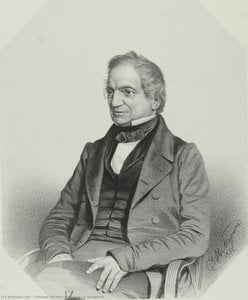


![Cha[rles] Lyell — Thomas Herbert Maguire](/media/artworks/images-thumb/8a/54/8a54ef0a29ead29f3dd6544fac6af909.jpg)




