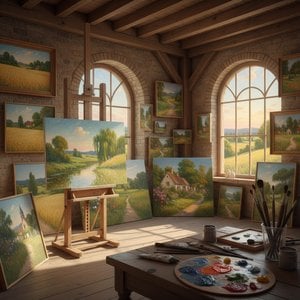
Francis Wheatley: Élet arcképben és tájképekben
Francis Wheatley (1747–1801) a 18. század egyik meghatározó angol arckép- és tájképfestője volt, akit vidéki életképei, társadalmi jelenetei és korának szellemiségét megörökítő portréi tettek ismertté. London, Covent Garden Wild Court nevű házában született, és élete során a bizonytalan személyes körülmények mellett épített ki egy virágzó művészeti karriert, hagyva magára olyan örökséget, amely egyszerűségéről és bájáról ismert.
Korai évek és művészeti neveltetés
Wheatley korai éveket kísérte mind a lehetőségek, mind az instabilitás. Egy mester fazonőr fiaként már fiatal korában felismerték rajztalentumát. A kort meghatározó intézményben, William Shipley rajzi iskolában, majd a Royal Academy-n diagonált, ahol formális technikai képzettséget szerzett. Müvészete hamar megmutatta ígéretes jellegét: számos díjat nyert a Society of Arts nevű társaságtól, ami alázatát és készségét bizonyította. Életének korai szakaszában fontos tapasztalatokat szerzett dekoratív projektekben is; részt vett a londoni Vauxhall Gardens díszítésében, és együttműködött John Hamilton Mortimerrel egy ceiling-festésen Brocket Hallban, Lord Melbourne számára, ezzel felkészülve a nagyobb léptékű alkotásokra.
Zajos karrier és művészeti fejlődés
Wheatley pályafutása sikerek és személyes viharok váltakozásából állt. 1778-ban kezdte alkotmányait kiállítani a Royal Academy-n, s hamar kitartó arcképfestőként hargóta is szerzett elismerést. Azonban ifjúsági lelkesedése és szokatlan életszmegújúsága felesleges luxusba és felhalmozódó adósságokba vezette. 1779-ben egy drámai esemény következett be: elszökött Írországba Elizabeth Gresse-sel, aki egy másik festő, John Alexander Gresse felesége volt. Ez a menekülés kényszerű exilumba taszította őt, de egyúttal olyan termékeny tereet biztosított számára, amely új művészeti lehetőségek feltárásához szolgált.
- Írország: Wheatley Dublinban vált elismert arcképfestővé, olyan jelentős alkotásokkal, mint az ír Ház assemblies belső tere vagy a „The Review of the Dublin Regiments of the Irish Volunteers in College Green” (1779). Utóbbi alkotása hatalmas népszerűségre tett szert, James Heath sokszoros másolataiban terjedt el, és az ír hazafiság szimbólumává vált, belefestve a dublini társaság rangos alakjait és olyan vendégfogadott személyiségeket, mint Dashkov hercegnő.
- Visszatérés Londonba: Személyes körülményeinek feltáródta után Wheatley visszatért Londonba. Művészeti stílusa ezen időszakban tovább fejlődött, a francia festő, Jean-Baptiste Greuze hatására, ami kisméretű tájképeiben, portréiban és utcai jeleneteiben is érezhető volt.
Főbb alkotások és művészeti stílus
Wheatley alkotói repertoárja rendkívül sokszínű volt, magában foglalva arcképfestést, tájalképészetet és művészettörténetileg fontos kisképet (genre) is. Bár számos alkotást készített Boydell Shakespeare-galériájának és Bell költőválogatásához, tartós hírneve elsősorban a tájképeiből és vidéki témáiból származik.
- „The Review of the Dublin Regiments”: Egy jelentős alkotás, amely az ír történelem egy döntő pillanatát örökítette meg.
- „Man With A Dog”: A társaság lényegét ábrázoló bájos jelenet, amely Wheatley intim pillanatok megörökítésének képességét mutatja be.
- „The Saithwaite Family”: A csoportos arcképfestés és a családi kötelékek érzéki ábrázolásának remek példája.
- Alkotások Boydell Shakespeare-galériájához: Shakespeare-i drámák jeleneteinek illusztrálása, amely művészének sokoldalúságát bizonyítja.
Stílusát kellemes egyszerűség és érthetőség jellemzi. Kerülte a túlzott díszítést, helyette a témái lényegére és a przedstawett jelenetek hangulatára összpontosított. Tájképei gyakran idilli vidéki környezetet ábrázolnak, ahol a mindennapi tevékenységekkel foglalkozó alakok lakják be a tájat, tükrözve az 18. század végén kialakuló, a pastoralizmus iránti növekvő érdeklődést.
Örökség és történelmi jelentőség
Francis Wheatley 1790-ben választották a Royal Academy asszociált tagjává, majd 1791-ben akadémikus lett. 1787-ben házasságot kötött egy másik művészzel, Clara Maria Leigh-vel. Művészete hűen tükrözte élete során Angliában tapasztalható társadalmi változásokat, egyszerre örökítve meg az aristokrata társaság pompáját és a vidéki élet báját. Bár néhai kortársai néha árnyékba hátrált, Wheatley könnyed stílusa és vonzó témái széles közönséghez juttatták alkotásait. A 18. századi angol művészet meghatározó alakjaként emlékeznek rá, aki hidat képezett a formális arcképfestészet és a tájképi festészet, valamint a kisképfestészet fejlődésének között.
Gyakran Ismételt Kérdések
Hol tekinthetném meg Francis Wheatley műveit időrendi sorrendben?
Megக் exists egy időrendi áttekintés Francis Wheatley műveiről: a művész Műalkotások időrendje oldala a alkotások létrehozásának dátuma szerint rendszerezi a műveket.
Kereshetem Francis Wheatley műveit kulcsszavak alapján is?
Francis Wheatley művei kulcsszavakra bontva is felfedezhetők a művész Kulcsszavak alapján oldalán. Minden kulcsszó a hozzá tartozó alkotásokat gyűjti össze.
Megvizsgálhatom Francis Wheatley színhasználatát az összes művében?
Francis Wheatley színek használata a ez a weboldal oldalon található műveiben a művész Paletta Genom oldalán tanulmányozható.