Előnézet AR előnézet Kézzel festett másolat vásárlása Áttérés digitális képre Megosztás
Részletek Útmutató Kedvencekhez ad Letöltés Hasonló darabok X-ray felvétel Diavetítés Statisztika

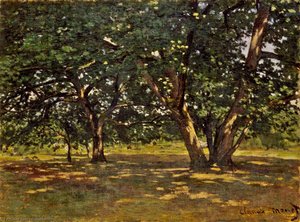
Doubt-Forest1

A lush and mysterious forest scene featuring a solitary figure amidst verdant trees and birds by Yang Dae Won captures a sense of profound intrigue that invites you to bring this serene moment into your collection.

Explore the geometric abstract paintings of Korean artist yang, dae won (양대원). Known for bold primary colors, formal symbolism & 'Dongulin' figures reflecting the human condition. Exhibited in Korea, France & Taiwan.

Az ezen az oldalon megjelenített műalkotások szerzői jogi védelem alatt állnak, ami azt jelenti, hogy törvényileg nem készíthetünk és nem adhatunk el belőlük pontos másolatokat. Ez a védelem olyan nemzetközi megállapodások alapján érvényesül, mint például a Berni Egyezmény és a nemzeti törvények által, beleértve azokat is, amelyeket meghatározott Az USA szerzői jogi törvénye – 17. cím.

Ez a módszer teljes mértékben megfelel a szerzői jogi szabályozásnak, mivel nem tartalmazza a védett műalkotás másolását vagy duplikálását. Ehelyett ez egy kreatív újinterpretáció – egy új festmény, amely az eredetivel való összefüggései miatt hatással van rá, de nem az az.

Giclée / Műnyomat

Múzeumi minőségű giclée vagy vászonnyomat, gyors gyártással és rugalmas finomítási lehetőségekkel. ( Kézzel festett másolat vásárlása Áttérés digitális képre)

Corner sample of the P118B picture frame: moulded polystyrene, 5 cm wide and 3 cm thick
P118B Ft10
Corner sample of the P118H picture frame: moulded polystyrene, 5 cm wide and 3 cm thick
P118H Ft10
Corner sample of the P118W picture frame: moulded polystyrene, 5 cm wide and 3 cm thick
P118W Ft10
Corner sample of the P438Z picture frame: moulded polystyrene, 5.5 cm wide and 3.5 cm thick
P438Z Ft10
Corner sample of the P508JH picture frame: moulded polystyrene, 7 cm wide and 3.5 cm thick
P508JH Ft12
Corner sample of the P508YH picture frame: moulded polystyrene, 7 cm wide and 3.5 cm thick
P508YH Ft12
Corner sample of the P805H picture frame: moulded polystyrene, 5 cm wide and 3.5 cm thick
P805H Ft10
Corner sample of the P805Z picture frame: moulded polystyrene, 5 cm wide and 3.5 cm thick
P805Z Ft10
Corner sample of the P919BZ picture frame: moulded polystyrene, 7 cm wide and 3.5 cm thick
P919BZ Ft10
Corner sample of the P919G picture frame: moulded polystyrene, 7 cm wide and 3.5 cm thick
P919G Ft10
Corner sample of the P919XJ picture frame: moulded polystyrene, 7 cm wide and 3.5 cm thick
P919XJ Ft10
Corner sample of the P959ZH picture frame: moulded polystyrene, 5 cm wide and 3 cm thick
P959ZH Ft10
Corner sample of the P968JZ picture frame: moulded polystyrene, 6 cm wide and 4 cm thick
P968JZ Ft12
Corner sample of the W106C picture frame: solid wood, 5 cm wide and 3 cm thick
W106C Ft8
Corner sample of the W218G picture frame: solid wood, 5 cm wide and 3 cm thick
W218G Ft10
Corner sample of the W218JH picture frame: solid wood, 5 cm wide and 3 cm thick
W218JH Ft8
Corner sample of the W218Y picture frame: solid wood, 5 cm wide and 3 cm thick
W218Y Ft10
Corner sample of the W307PJ picture frame: solid wood, 6 cm wide and 3 cm thick
W307PJ Ft10
Corner sample of the W316G picture frame: solid wood, 6 cm wide and 3 cm thick
W316G Ft10
Corner sample of the W316PJ picture frame: solid wood, 6 cm wide and 3 cm thick
W316PJ Ft8
Corner sample of the W316Y picture frame: solid wood, 6 cm wide and 3 cm thick
W316Y Ft10
Corner sample of the W398PJ picture frame: solid wood, 5 cm wide and 3 cm thick
W398PJ Ft8
Corner sample of the W4111J picture frame: solid wood, 6.5 cm wide and 3.5 cm thick
W4111J Ft10
Corner sample of the W500HY picture frame: solid wood, 7 cm wide and 5 cm thick
W500HY Ft15
Corner sample of the W500JH picture frame: solid wood, 7 cm wide and 5 cm thick
W500JH Ft15
Corner sample of the W692G picture frame: solid wood, 8 cm wide and 4 cm thick
W692G Ft12
Corner sample of the W849H picture frame: solid wood, 5 cm wide and 3 cm thick
W849H Ft8
Corner sample of the W940BG picture frame: solid wood, 7.5 cm wide and 4.5 cm thick
W940BG Ft15
Corner sample of the W953PJ picture frame: solid wood, 6 cm wide and 3.5 cm thick
W953PJ Ft8

Standard méret
egyedi
CM
INCH

Válasszon előre meghatározott méreteink közül, amelyek megfelelnek a műalkotás eredeti arányainak.

szélesség
magasság

Megadhat saját méreteket is egy konkrét kerethez vagy helyszínhez igazítva. Amennyiben a kiválasztott méret nem egyezik az eredeti kép arányokkal, a műalkotást le fogjuk vágni, vagy kiegészítjük a képet tükrözött vagy egyszínű szélekkel. A gyártás megkezdése előtt egy digitális tervezetet küldünk jóváhagyásra.
Kérjük, vegye figyelembe, hogy a képernyőn látható előnézet nem tükrözi a tényleges levágást vagy kiegészítést. Csak a tervezet mutatja pontosan a végső kompozíciót.
Bár az egyedi méretek is elérhetőek, az eredeti arányok megőrzése érdekében azt javasoljuk, hogy válasszon a előre meghatározott listából származó méretet.

Világszerte történő kiszállítás területére mindössze 2 hét alatt, a szokásos 4-5 hét helyett. (9 október)

Ingyenes globális expressz szállítás
Prémium minőségű len vászon
Teljes körű szállítási biztosítás
Vámvisszatérítési Garancia
Tökéletes színarányosság garancia
100 napos visszaküldési garancia (csak gyártási hibás termékek esetén)
100% pénzvisszatérítési garancia
Több darab vásárlásakor kedvezmény

Összesített ár

Ft 21355

Doubt-Forest1

Giclée / Műnyomat

Reprodukció méretei

-

Összesített ár

Ft 21355


A művész életrajza

Yang, Dae Won: Weaver of Geometric Dreams

Born in the quiet countryside of Yangpyeong, South Korea, in 1966, Yang Dae Won’s artistic journey began far from the bustling galleries and critical acclaim he now enjoys. His early life, steeped in Korean tradition and a deep connection to nature – evidenced by his later use of Hanji paper – provided a foundational grounding for an artist who would ultimately become renowned for his strikingly geometric paintings and drawings. Initially pursuing studies in Natural Sciences, Yang’s path shifted towards art, driven by a desire to explore the human condition through abstract forms. This transition wasn't merely a career change; it represented a profound personal transformation, a deliberate move away from the tangible world toward a realm of symbolic representation.

Yang’s artistic style is deeply rooted in the Korean art movement, particularly its emphasis on simplicity, harmony, and balance – principles inherited from the Joseon dynasty's focus on realism and understated elegance. However, Yang transcends mere imitation; he employs these foundational elements to construct a distinctly modern visual language. His signature technique involves utilizing primary colors—bold reds, yellows, and blues—within meticulously crafted geometric shapes. These aren’t simply decorative elements; they function as potent symbols, inviting viewers into a contemplative dialogue about life, death, and the complexities of human experience. Recurring motifs, such as the ‘Dongulin’ figure – a stylized representation of humanity – appear throughout his work, acting as anchors for these symbolic explorations.

The Language of Geometry

At the heart of Yang’s artistic practice lies a fascination with geometry and its capacity to convey profound meaning. He doesn't merely arrange shapes; he orchestrates them, creating compositions that possess an almost meditative quality. The deliberate use of primary colors amplifies this effect, lending each painting a sense of urgency and emotional resonance. Consider his work, *Doubt-Forest(Tears)*, a powerful example where fragmented geometric forms coalesce to evoke feelings of disorientation and vulnerability. Similarly, *Doubt-Yellow Stairs* utilizes the stark contrast between yellow and black to explore themes of uncertainty and resilience.

Yang’s approach extends beyond traditional painting techniques. He has notably experimented with Hanji paper – a distinctive Korean material crafted from mulberry bark – incorporating it into his work. This integration not only reflects his connection to Korean heritage but also introduces an element of texture and fragility, adding another layer of complexity to his visual vocabulary. The ‘A Ballet’ series exemplifies this technique, showcasing the delicate balance between geometric precision and organic materiality.

Exhibitions and Recognition

Yang Dae Won's artistic vision has been recognized both domestically in South Korea and internationally. His work has been featured in numerous group exhibitions across Korea, France, and Taiwan, establishing a growing presence within the contemporary art world. Significant solo exhibitions have provided platforms for him to showcase his evolving style and thematic concerns. Notably, he’s held solo shows at prestigious institutions like the Korean Art Museum Association in Seoul, solidifying his position as a leading figure in Korean abstract art.

His artistic achievements include winning the Joong Ang Fine Arts Competition (2005), securing second place in the Songeun Art Festival (2004), and receiving recognition at the Kongsan Art Festival (1996). Furthermore, he’s participated in residency programs at esteemed locations such as Taipei Artist's Village (2002) and Usine Utopik in Normandy, France (2012), fostering cross-cultural exchange and expanding his artistic horizons.

Symbolism and the Human Condition

Yang’s paintings are not simply arrangements of shapes; they are imbued with a rich symbolic language. Recurring motifs—such as the ‘Dongulin’ figure, often depicted in moments of introspection or confrontation—serve as visual metaphors for fundamental human experiences: doubt, loss, hope, and resilience. The use of black tears, frequently appearing within his compositions, powerfully represents grief and vulnerability. Yang also incorporates elements drawn from Chinese calligraphy, utilizing characters to represent abstract concepts like love, faith, and wisdom, further enriching the layers of meaning embedded in his work.

His art invites viewers to engage in a process of personal interpretation, recognizing that each painting offers a unique pathway for contemplation. Yang’s geometric abstractions are not meant to provide definitive answers but rather to stimulate dialogue and encourage introspection about the complexities of the human condition – a testament to his profound artistic vision.

Yang, Dae Won

Yang, Dae Won

1966 - , South Korea

Gyors információk

  • Artistic Movement Or Style: Geometric abstraction
  • Artists Or Movements Influenced By This Artist: ['Korean art movement']
  • Artists Who Influenced This Artist: ['Joseon Dynasty art movement']
  • Date Of Birth: 1966
  • Full Name: Yang Dae Won
  • Nationality: Korean
  • Notable Artworks:
    • Doubt-Forest(Tears)
    • Doubt-Yellow Stairs
    • A Ballet
  • Place Of Birth: Yangpyeong, South Korea