INGYENES MŰVÉSZETI TANÁCSADÁS

x
Készíttetnék festményként Készíttetnék festménykéntKép letöltése Kép letöltése MegosztásMegosztás
RészletekRészletek Kedvencekhez ad Kedvencekhez ad LetöltésLetöltés Hasonló alkotásokHasonló alkotások X-ray felvételX-ray felvétel DiavetítésDiavetítés

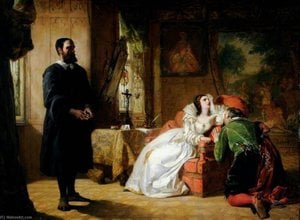
The Sleeping Model

Discover 'The Sleeping Model' by William Powell Frith! A captivating Victorian scene of an orange seller napping during a painting session, showcasing social commentary and artistic skill.

"Hungarian Meta Description": "William Powell Frith egykori brit festő, aki a viktorián korszak életét ábrázolta részletesen és realista módon. A 'Derby Day' és 'Railway Station' című alkotásai világsühmek, melyek a kor társadalmi 모습을 tükrözik."

Giclée / Műnyomat

Múzeumi minőségű giclée vagy vászonnyomat, gyors gyártással és rugalmas finomítási lehetőségekkel.

P118B $10
P118H $10
P118W $10
P438Z $10
P508JH $12
P508YH $12
P805H $10
P805Z $10
P919BZ $10
P919G $10
P919XJ $10
P959ZH $10
P968JZ $12
W106C $8
W218G $10
W218JH $8
W218Y $10
W307PJ $10
W316G $10
W316PJ $8
W316Y $10
W398PJ $8
W4111J $10
W500HY $15
W500JH $15
W692G $12
W849H $8
W940BG $15
W953PJ $8

Standard
custom
CM
INCH

Válasszon előre meghatározott méreteink közül, amelyek megfelelnek a műalkotás eredeti arányainak.

szélesség
magasság

Megadhat saját méreteket is egy konkrét kerethez vagy helyszínhez igazítva. Amennyiben a kiválasztott méret nem egyezik az eredeti kép arányokkal, a műalkotást le fogjuk vágni, vagy kiegészítjük a képet tükrözött vagy egyszínű szélekkel. A gyártás megkezdése előtt egy digitális tervezetet küldünk jóváhagyásra.
Kérjük, vegye figyelembe, hogy a képernyőn látható előnézet nem tükrözi a tényleges levágást vagy kiegészítést. Csak a tervezet mutatja pontosan a végső kompozíciót.
Bár az egyedi méretek is elérhetőek, az eredeti arányok megőrzése érdekében azt javasoljuk, hogy válasszon a előre meghatározott listából származó méretet.

Világszerte történő kiszállítás területére 2 hét alatt, a szokásos 4-5 hét helyett. 6 július

why_choose_icon
Ingyenes globális expressz szállítás
why_choose_icon
Prémium minőségű len vászon
why_choose_icon
Teljes szállítási biztosítás
why_choose_icon
Vámvisszatérítési Garancia
why_choose_icon
Tökéletes színpontosság garancia
why_choose_icon
60 napos visszaküldési lehetőség (csak gyártási hibák esetén)
why_choose_icon
100%-os pénzvisszatérítési garancia
why_choose_icon
Kedvezmény több termény esetén

Összesen

-

reproduction

The Sleeping Model

Giclée / Műnyomat

A reprodukció mérete

-

Összesített ár

-

Rövid tények

  • Location: Private Collection
  • Notable elements or techniques: Panoramic narrative
  • Title: The Sleeping Model
  • Medium: Oil on canvas
  • Artistic style: Detailed genre painting
  • Influences: Sir David Wilkie
  • Year: 1853

Művészeti kvíz

Minden kérdésre csak egy helyes válasz létezik.

Kérdés 1:
What was a primary challenge William Powell Frith faced when attempting to paint ‘The Sleeping Model’?
Kérdés 2:
The painting ‘The Sleeping Model’ is primarily a commentary on:
Kérdés 3:
In what year was ‘The Sleeping Model’ painted?
Kérdés 4:
William Powell Frith was a member of which artistic group?
Kérdés 5:
What does the inclusion of a stuffed dummy in ‘The Sleeping Model’ symbolize?

Termékinformációk

A Moment Frozen in Victorian Tranquility: Exploring William Powell Frith’s “The Sleeping Model”

  • Subject Matter and Context The painting depicts a woman reclining gracefully in a chair, her head resting on her hand – an arresting image that speaks volumes about the societal anxieties surrounding female sexuality during the Victorian era. Artists faced considerable challenges securing suitable models, often resorting to unconventional sources like shopgirls who were viewed with suspicion due to their perceived vulnerability and lack of social standing. This portrait captures a fleeting moment of repose amidst the bustle of Victorian life.
  • Artist’s Vision: Frith's Influence William Powell Frith (1819-1909), a prominent member of The Clique—a group celebrated for its ambitious genre paintings and panoramic narratives—was profoundly impacted by Sir David Wilkie’s masterful depictions of domestic interiors. This influence is evident in the careful composition and subtle tonal palette of “The Sleeping Model,” mirroring Wilkie's penchant for capturing intimate scenes with remarkable realism.
  • Technique and Style Frith employed a meticulous oil painting technique, characterized by layered brushstrokes that build up texture and luminosity. The artist skillfully utilized chiaroscuro—the dramatic interplay between light and shadow—to sculpt the woman’s form and create depth within the room. Details like the easel with a canvas on it and the basket beside the chair contribute to the overall sense of realism, grounding the scene in the tangible world.
  • Symbolism Within the Frame Beyond its immediate depiction of restfulness, “The Sleeping Model” carries symbolic weight. The woman’s posture represents both vulnerability and contemplation—a quiet defiance of societal expectations for women during this period. Furthermore, the inclusion of other figures in the room suggests a broader narrative about Victorian society, hinting at conversations and observations unfolding beneath the surface of apparent serenity.
  • Emotional Resonance The painting evokes feelings of peace and intimacy, inviting viewers to consider themes of femininity, domesticity, and artistic representation. Its muted color scheme—primarily reds and browns—creates a comforting atmosphere that contrasts sharply with the anxieties surrounding female sexuality prevalent in Victorian society. “The Sleeping Model” remains a compelling testament to Frith’s artistic skill and his ability to capture a pivotal moment in Victorian culture.

A művész életrajza

Early Life and Artistic Beginnings

William Powell Frith’s journey into the world of art began in a surprisingly modest setting – Aldfield, a small village nestled near Ripon in North Yorkshire. Born on January 9, 1819, he was the son of a hotelier, a profession that initially steered his path towards an auctioneer's career. However, fate, and perhaps a discerning father, recognized a deeper artistic talent within him, recognizing a potential far beyond the realm of bidding and sales. This early encouragement proved pivotal, setting in motion a trajectory that would ultimately lead to him becoming one of the most celebrated painters of his era.

Frith’s formative years were spent honing his skills at Sass's Academy in London, a prestigious institution renowned for its rigorous training and emphasis on traditional techniques. It was here that he immersed himself in the study of anatomy, perspective, and composition – the fundamental building blocks of any successful artist. Later, he further refined his abilities at the Royal Academy Schools, absorbing the lessons of established masters and developing his own distinctive style.

Initially, Frith’s artistic focus leaned towards portraiture and literary subjects, capturing the likenesses of prominent figures and illustrating beloved works of literature like those by Shakespeare and Scott. These early endeavors provided a valuable foundation, allowing him to develop his technical proficiency and cultivate an appreciation for detail – qualities that would later become hallmarks of his celebrated genre paintings.

The Clique and Influences

Frith’s artistic development was inextricably linked to the influential group known as “The Clique,” a coterie of artists who gathered in London during the mid-19th century. This exclusive circle, comprised of figures such as Richard Dadd, Augustus Egg, and Henry O’Neil, fostered a spirit of experimentation and collaboration, pushing the boundaries of artistic expression. Membership in The Clique provided Frith with access to invaluable insights, shared techniques, and a stimulating environment for creative growth.

Significantly, Frith was profoundly influenced by Sir David Wilkie, a celebrated painter known for his masterful depictions of domestic scenes. Wilkie’s ability to capture the nuances of everyday life – the interactions, emotions, and social dynamics within ordinary settings – served as a guiding inspiration for Frith. He particularly admired Wilkie's approach to portraying crowds, meticulously rendering each individual with remarkable detail and capturing the energy and movement of the scene.

Furthermore, Frith’s work demonstrates an awareness of contemporary photographic techniques, notably those pioneered by Robert Howlett. He skillfully utilized photographs as reference material, employing them to achieve a heightened level of realism and accuracy in his paintings – particularly evident in works like The Derby Day, where the sheer number of figures requires incredible precision.

Masterpieces: Capturing Victorian Life

Frith’s artistic career blossomed during the height of the Victorian era, a period characterized by rapid social and technological change. He seized upon this opportunity to document the vibrant tapestry of London life, creating a series of iconic paintings that offer unparalleled glimpses into the customs, fashions, and social interactions of the time. His most celebrated works include Ramsgate Sands (1854), a lively depiction of seaside revelry; The Derby Day (1858), a meticulously rendered panorama of Epsom Downs Racecourse teeming with elegantly dressed spectators; and The Railway Station (1862), a detailed portrayal of Paddington Station’s bustling activity.

Among his most poignant works is The Sleeping Model (1853), presented as his Diploma work at the Royal Academy. This painting, which explores the stark contrast between wealth and poverty, remains a powerful commentary on Victorian society. Similarly, The Crossing Sweeper (1858) powerfully illustrates the inequalities of the era, depicting a wealthy gentleman’s indifference to the plight of a street sweeper.

Later Years and Legacy

William Powell Frith lived a remarkably long life, witnessing significant transformations in the art world during the Victorian period. He continued to paint prolifically until his death on November 2, 1909, at the age of 90. Throughout his career, he maintained a strong sense of tradition and expressed reservations about the emerging trends of modern art.

Frith’s legacy extends far beyond his individual achievements. His paintings provide invaluable historical documentation of Victorian society, capturing its social dynamics, fashion, leisure activities, and prevailing attitudes. His meticulous attention to detail and masterful rendering of crowds set a new standard for genre painting in Britain, elevating it to a respected art form. Today, Frith’s works are exhibited worldwide, offering viewers a captivating window into the sights and sounds of 19th-century London – a testament to his enduring artistic vision.

William Powell Frith

William Powell Frith

1819 - 1909 , Egyesült Királyföld

Rövid tények

  • Artistic Movement Or Style: Közegképfestészet
  • Artists Who Influenced This Artist: ['Wilkie David']
  • Date Of Birth: 1819 jan 9.
  • Date Of Death: 1909 nov 2.
  • Full Name: William Powell Frith
  • Nationality: Angol
  • Notable Artworks:
    • Ramsgate Sands
    • Derby Day
    • Vasútállomás
  • Place Of Birth: Aldfield, Anglia
Fedezze fel a műalkotásokat témák, stílusok és jellemzők szerint csoportosítva.