A Realista Hangya: Vasily Perov Élete és Művészete
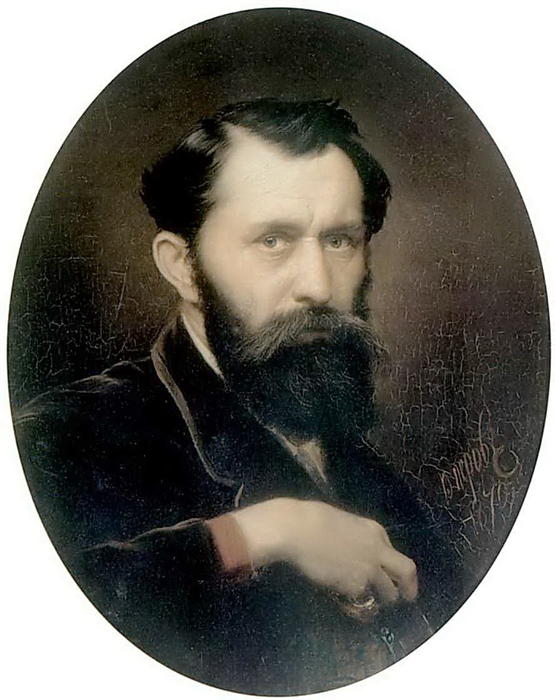
Vasily Grigoryevich Perov, a neves orosz realista festőművész, akinek neve örökbefogadva lett a kritikus realizmus szinonimájává. Életrajza maga is tele van a társadalmi bonyodalmakkal, amelyeket később a vásznán ábrázolt. Született 1834. január 2-án (December 21., Óstílus), a Szibéria távoli, Tobolsk városban, egy kisvárosban, Perov az illegitim gyermek volt Baron Grigory Kridener, Arzamas megye kormányzója és későbbi feleségének. Az anyaédes nevét, "Perov" – ami a "toll" szóra utal, a korai kalligráf készségére utalva – kapta, ami a részletekre való odafigyelés elkötelezettségét hivatott jelképezni – egy világot, amelyet gyakran figyelmen kívül hagyták vagy szándékosan eltakartak. Művészi útja hivatalosan 1853-ban kezdődött az Alexander Stupin művészeti iskolában Arzamasban, ahol finomította alapvető készségeit, mielőtt a Moszkvai Festők, Szobrászok és Építészek Egyetemére került. Ez időszak kulcsfontosságú volt a művészi képességeinek kształtálásában és egy szélesebb körű művészeti befolyásokra való kitánkozásban. Korai elismerés érte vele, amikor arany- és ezüstérmeket kapott az Orosz Birodalmi ललित هنر学院tól olyan alkotásokért, mint "A rendör járőrségi őr a vidéki polgárok vizsgálata" és leginkább "A falu szentmiseje" 1861-ben – egy olyan művészeti darab, amely azonnal felhívta magára a figyelmet és lehetőséget adott külföldi tanulásra.
A Szegények Hangja: Motívumok és Művészi Módszerek
Perov művészi látásmódja mélyen gyökerezett a társadalmi igazságtalanságokra való felhívásokban. Ellentétben sok kortársával, aki idealizált ábrázlatokat kedvelte, ő inkább az átlagemberek életére összpontosított – parasztok, munkások, elszegényültek és elfeledettek. Képei nem csupán valóságot tükröznek; hanem erőteljes társadalmi kommentárok, amelyek feltárják a 19. századi Oroszország nehézségeit, igazságtalanságait és spirituális ürességét. "A falu szentmiseje" például finoman kritizálja a vallási alázatosságot egy elszigetelt gyülekezet ábrázolásával, míg "A víz szállítása" a vidéki élet napi nehézségeit mutatja be szívszorítóan. Művészi technikája a részletekre való odafigyelésben, mélyfekete árnyalatokban és a fény és árnyék mesterséges használatában nyilvánult meg, amelyek drámai hatást keltettek. Nem volt hajlandó romantizálni a szegénységet vagy a szenvedést; ehelyett azokat ábrázolta becsülettel és empátiával, arra kényszerítve a nézőket, hogy szembenézzenek saját társadalmukkal. Képei, mint "Az utolsó út", amely egy paraszt temetkezési ünnepét ábrázolja, és "A víz szállása" szívszorítóan mutatják be az emberek életét. Perov készsége nem korlátozódott a tömör festészetre; kiválóan ügyes volt az órákban is, ahogy azt bizonyítja a hangsúlyos monokróm műve, "Naushnitsa. Az vihar előtt", amely mesteri szintű tudását mutatja be a fény és árnyék használatában és a bonyolult részletekben.
Egy Mozgalom Alapítója: A Peredvizhniki
Perov művészi elkötelezettsége a realizmusban tökéletesen illeszkedett a művészeti felkelés rohamosan növekvő szellemébe, ami az 1870-ben megalapított Peredvizhniki (Vándorok) mozgalomhoz vezetett. Ez a csoport orosz realista festők gyűlése elszakadt az Akadémia korlátaitól, egy független társaságot hozott létre, amely művészetet mutatta be Oroszország egész területén – elérve közönséget a Szentpétervárosi és Moszkvai kertek falai közül.
- A Peredvizhniki célja volt, hogy közvetlenül hozzák az művészetet a néphez,
- a művészetükön keresztül foglalkozni társadalmi kérdésekkel,
- és egy egyedi orosz művészi identitást teremteni.
Perov nem csupán tagja volt; ő volt a mozgalom alapító erői, amely formálta az elvek és a követelmények alakítását. A vidéki lakosok életének ábrázolásával való elkötelezettsége mélyen resonált a Peredvizhniki céljainak kanssa. A Vándorok kiállításai hatalmas népszerűségnek örvendeztek, nagy tömegeket vonva magukhoz és fontos vitákat váltottak ki művészetről, társadalomról és nemzeti identitétről.
Hagyaté és Tartós Hatás
Vasily Perov idő előtt bekövetkezett halálja 1882-ban, a 48 éves korában, jelentős veszteséget jelentett Oroszország művészetének. Azonban öröksége továbbra is inspirálta az utókor művészeinek. **A munkái Ily Repin és Vaszilij Surikov műveiben is láthatók**, mindkét nagyszerű realista festő, aki továbbfejlesztette a megteremtett hagyományt. Képei nemcsak művészi értékük miatt fontosak, hanem tartós társadalmi kommentárukként is, amelyek emlékeztetnek az átlagemberek nehézségeire az egész történelem során és továbbra is ösztönzik az empátia és a megértést. Képei ma is otthon kaphatók a művészeti gyűjteményekben, beleértve a Tropinin és a mai Moszkvai Művészek Múzeumot, biztosítva, hogy látásmódja továbbra is elérje a közönséget világszerte. *Perov hozzájárulása nem csupán művészi készség; ő egy társadalmi tudatosság volt vászonra festve, egy hang a hallatlanoknak és egy realista orosz művészet úttörője.* Képei örökre megváltoztatták Oroszország művészeti tájképe.


 Előnézet
 Váltás nyomtatványra
 Megosztás
 Megosztás
 Részletek
 Útmutató

 Letöltés
 Hasonló darabok
 X-ray felvétel
 Diavetítés
 Statisztika


 Tovább olvasom






































 Az üvegkeretes opció csak 110 cm alatti méretben érhető el


