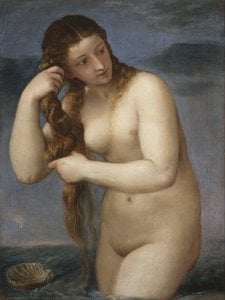
A művész életrajza
Egy Reneszánsz Ekkó az Újvilágban
Titian Ramsay Peale II egy lenyűgöző, gyakran figyelmen kívül hagyott alak a 19. századi amerikai művészet tájképén. 1799-ben Philadelphiában született, és mélyen gyökerezett művészeti örökséggel rendelkezett, hiszen Charles Willson Peale legfiatalabb fia volt, aki kulcsfontosságú szerepet játszott az amerikai portréfestészet korai szakaszában, valamint alapította az ország első múzeumát. Bár apja öröksége hatalmas árnyékvetést jelentett, Titian saját útját járta, amely mélyen gyökerezett a Magas Reneszánsz esztétikai ideáljaiban, különösen Velenceból származóban. Ő nem egyszerűen stílusokat másolt; hanem mély művészi érzékenységet csatornázott, telítve vásznait aprólékos részletekkel és vibráló színpalettával, ami megkülönböztette őt kortársaitól. Élete a virágzó amerikai identitás hátterében bontakozott ki, de művészi szíve továbbra is a klasszikus mesterekhez kötődött, létrehozva egy feszültséget a régi világ tiszteletben tartása és az újvilági kifejezés között.
A Természettudós Vázlatkönyvétől a Festő Vásznáig
Peale korai éveit a művészet és a természettörténet kettős vonzása jellemezte – egy kombináció, amelyet apja sokoldalú törekvései tápláltak. Expedíciókon vett részt, nevezetesen Stephen Harriman Long 1819-20-as útján a Sziklás-hegyekbe, dokumentálva a flórát és faunát egyre kifinomultabb művészi szemmel. Ez az időszak nem csupán megfigyelések rögzítéséről szólt; hanem a *forma*, a *fény* és a *textúra* megértéséről – olyan készségekről, amelyek felbecsülhetetlennek bizonyultak, amikor teljes figyelmét a festészetre fordította. Természettudósként végzett munkája formálta művészetét, tudományos pontosságot kölcsönözve a természet ábrázolásainak, de érzelmi rezonanciával is átitette őket, amely túlmutatott a puszta dokumentáción. Ő nem csupán megmutatta nekünk a dolgok kinézetét; hanem feltárta azok belső szépségét és spirituális jelentőségét. Ennek a két tudományterület iránti elkötelezettsége olyan alkotásokban nyilvánul meg, mint a "A Tribute Money" (Adófizetés), egy drámai ábrázolás Rubens mesteri fény- és árnyékjátékával, valamint a "Nymph and Shepherd" (Nimfa és Pásztor), amely ötvözi a természetet, a mitológiát és az érzéki szépséget.
Velencei Hatások és Szent Viziók
A velencei kolorizmus hatása – a gazdag, ragyogó színekre és légköri effektekre helyezett hangsúly, amelyet olyan művészek hirdettek, mint Titian (akitől első nevét vette) – tagadhatatlan Peale munkásságában. Ő nem egyszerűen másolta ezeket a mestereket; hanem belsővé tette elveiket és saját művészi látásmódjához igazította őket. Ez különösen vallási alkotásaiban nyilvánul meg, mint például az "Altar Shrine with Four Saints" (Négy Szent Oltárképe) és az "Adoration of the Shepherds" (Pásztorok Imádása). Ezek a festmények nem csupán bibliai jelenetek ábrázolásai; hanem magával ragadó élmények, amelyek gondosan megkomponált kompozíciókkal és a szín mesteri használatával vonják be a nézőt a spirituális elmélkedés világába. A részletek aprólékos figyelme ezekben a munkákban nem csupán műszaki képességéről szól, hanem a tárgy iránti mély tiszteletéről is. "The Beauty" (A Szépség), egy lenyűgöző portré, tovább demonstrálja az emberi forma és karakter elegáns finomsággal való megragadásának képességét.
Újrafelfedezés és Tartós Jelentősége
A 20. század nagy részében Titian Ramsay Peale II nagyrészt láthatatlan maradt a művészettörténeti narratívákban. Munkája nem illett bele az uralkodó trendekbe, és klasszikus stílus iránti elkötelezettsége anakronisztikusnak tűnt egy gyorsan változó művészeti tájban. Azonban az utóbbi években növekvő felértékelődést tapasztaltak munkássága. Tudósok és gyűjtők felismerik az amerikai érzékenység és az európai hagyományok egyedülálló keverékét, amely Peale festményeit jellemzi. Munkája újrafelfedezése nem csupán a művészettörténeti rések kitöltéséről szól; hanem a 19. századi Amerika formálta komplex kulturális erők mélyebb megértéséről szól. Peale egy híd a világok között, a klasszikus ideálok tartós erejének bizonyítéka és emlékeztető arra, hogy a művészeti innováció gyakran váratlan hatások kombinációiból fakad. Festményei, amelyeket ma olyan gyűjteményekben találhatunk meg, mint az WahooArt, az Uffizi Galéria és a Palazzo Pitti, lebilincselő pillanatképet kínálnak egy elfeledett amerikai művészettörténeti sarokról – egy sarokról, amelyet a Reneszánsz ragyogó fénye világít meg.



 Előnézet
 Kézzel festett másolat vásárlása
 Megosztás
 Megosztás
 Részletek
 Útmutató

 Letöltés
 Hasonló darabok
 X-ray felvétel
 Diavetítés
 Statisztika


 Tovább olvasom






































 Az üvegkeretes opció csak 110 cm alatti méretben érhető el