Előnézet AR előnézet Kézzel festett másolat vásárlása Áttérés digitális képre Megosztás
Részletek Útmutató Kedvencekhez ad Letöltés Hasonló darabok X-ray felvétel Diavetítés Statisztika

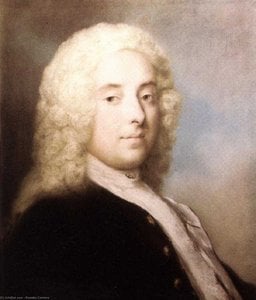
Winter

Experience the delicate grace of Rosalba Carriera's Rococo pastel portrait, Winter (1725), featuring soft pinks and ethereal whites against a dark background; discover this masterpiece today.

Rosalba Carriera (1675-1757): velencei rokokó mestere a pastel és miniatűr portréfestészetnek; a történelem egyik legsikeresebb női művészeként világhírűvé vált.

Giclée / Műnyomat

Múzeumi minőségű giclée vagy vászonnyomat, gyors gyártással és rugalmas finomítási lehetőségekkel. ( Kézzel festett másolat vásárlása Áttérés digitális képre)

Corner sample of the P118B picture frame: formázott polisztirol, 5 cm wide and 3 cm thick
P118B Ft10
Corner sample of the P118H picture frame: formázott polisztirol, 5 cm wide and 3 cm thick
P118H Ft10
Corner sample of the P118W picture frame: formázott polisztirol, 5 cm wide and 3 cm thick
P118W Ft10
Corner sample of the P438Z picture frame: formázott polisztirol, 5.5 cm wide and 3.5 cm thick
P438Z Ft10
Corner sample of the P508JH picture frame: formázott polisztirol, 7 cm wide and 3.5 cm thick
P508JH Ft12
Corner sample of the P508YH picture frame: formázott polisztirol, 7 cm wide and 3.5 cm thick
P508YH Ft12
Corner sample of the P805H picture frame: formázott polisztirol, 5 cm wide and 3.5 cm thick
P805H Ft10
Corner sample of the P805Z picture frame: formázott polisztirol, 5 cm wide and 3.5 cm thick
P805Z Ft10
Corner sample of the P919BZ picture frame: formázott polisztirol, 7 cm wide and 3.5 cm thick
P919BZ Ft10
Corner sample of the P919G picture frame: formázott polisztirol, 7 cm wide and 3.5 cm thick
P919G Ft10
Corner sample of the P919XJ picture frame: formázott polisztirol, 7 cm wide and 3.5 cm thick
P919XJ Ft10
Corner sample of the P959ZH picture frame: formázott polisztirol, 5 cm wide and 3 cm thick
P959ZH Ft10
Corner sample of the P968JZ picture frame: formázott polisztirol, 6 cm wide and 4 cm thick
P968JZ Ft12
Corner sample of the W106C picture frame: tömörfa, 5 cm wide and 3 cm thick
W106C Ft8
Corner sample of the W218G picture frame: tömörfa, 5 cm wide and 3 cm thick
W218G Ft10
Corner sample of the W218JH picture frame: tömörfa, 5 cm wide and 3 cm thick
W218JH Ft8
Corner sample of the W218Y picture frame: tömörfa, 5 cm wide and 3 cm thick
W218Y Ft10
Corner sample of the W307PJ picture frame: tömörfa, 6 cm wide and 3 cm thick
W307PJ Ft10
Corner sample of the W316G picture frame: tömörfa, 6 cm wide and 3 cm thick
W316G Ft10
Corner sample of the W316PJ picture frame: tömörfa, 6 cm wide and 3 cm thick
W316PJ Ft8
Corner sample of the W316Y picture frame: tömörfa, 6 cm wide and 3 cm thick
W316Y Ft10
Corner sample of the W398PJ picture frame: tömörfa, 5 cm wide and 3 cm thick
W398PJ Ft8
Corner sample of the W4111J picture frame: tömörfa, 6.5 cm wide and 3.5 cm thick
W4111J Ft10
Corner sample of the W500HY picture frame: tömörfa, 7 cm wide and 5 cm thick
W500HY Ft15
Corner sample of the W500JH picture frame: tömörfa, 7 cm wide and 5 cm thick
W500JH Ft15
Corner sample of the W692G picture frame: tömörfa, 8 cm wide and 4 cm thick
W692G Ft12
Corner sample of the W849H picture frame: tömörfa, 5 cm wide and 3 cm thick
W849H Ft8
Corner sample of the W940BG picture frame: tömörfa, 7.5 cm wide and 4.5 cm thick
W940BG Ft15
Corner sample of the W953PJ picture frame: tömörfa, 6 cm wide and 3.5 cm thick
W953PJ Ft8

Standard méret
egyedi
CM
INCH

Válasszon előre meghatározott méreteink közül, amelyek megfelelnek a műalkotás eredeti arányainak.

szélesség
magasság

Írja be a keretének vagy a falának megfelelő szélességet és magasságot. A nyomatot csak le lehet vágni, soha nem tehető nagyobbá, mint az eredeti kép, így egy eltérő alakú méretnél a kép egy része elveszik. Mielőtt bármit kinyatintanánk, küldünk egy digitális próbamodellt jóváhagyásra. Az oldalon látható kép nem tartalmazza a valós levágást — ezt csak a próbamodell mutatja meg.

Világszerte történő kiszállítás területére mindössze 2 hét alatt, a szokásos 4-5 hét helyett. (25 október)

Ingyenes globális expressz szállítás
Prémium minőségű len vászon
Teljes körű szállítási biztosítás
Vámvisszatérítési Garancia
Tökéletes színarányosság garancia
100 napos visszaküldési garancia (csak gyártási hibás termékek esetén)
100% pénzvisszatérítési garancia
Több darab vásárlásakor kedvezmény

Összesített ár

Ft 21764

Winter

Giclée / Műnyomat

Reprodukció méretei

-

Összesített ár

Ft 21764

Rövid tények

  • Movement: Rococo
  • Subject or theme: Female Portrait
  • Dimensions: 24 x 19 cm
  • Title: Winter
  • Artist: Rosalba Carriera
  • Artistic style: Graceful and refined portraiture

Művészeti kvíz

Minden kérdésre csak egy helyes válasz létezik.

Kérdés 1:
What artistic movement is Rosalba Carriera’s ‘Winter’ primarily associated with?
Kérdés 2:
The pastel medium used by Carriera contributes to what characteristic of the artwork?
Kérdés 3:
What is the dominant color palette employed in ‘Winter’?
Kérdés 4:
The composition of the portrait focuses on which element?
Kérdés 5:
What symbolic significance might the pearl necklace depicted in ‘Winter’ hold?

A Symphony of Softness: The Ethereal Grace of Rosalba Carriera’s Winter

In the quietude of 1725, a masterpiece emerged from the hands of the Venetian luminary Rosalba Carriera, capturing not just a season, but a profound state of being. “Winter” is far more than a mere portrait; it is a delicate embrace of the Rococo spirit, where grace and refinement meet the subtle chill of a contemplative moment. As one gazes upon this work, there is an immediate sense of intimacy, as if the viewer has stumbled upon a private thought frozen in time. The subject, a young woman of poised elegance, serves as the heart of the composition, her presence radiating a soft luminosity that seems to defy the muted, wintry atmosphere surrounding her.

Carriera’s mastery of the pastel medium is on full display here, showcasing the very technique that would eventually revolutionize European portraiture. Unlike the heavy, layered oils of the preceding Baroque era, this work breathes through the velvety softness of pigment applied directly to ivory paper. By meticulously blending layers with her fingertips and fine cloths, Carriera achieved a skin texture so supple and luminous it appears almost translucent. This tactile approach creates a surface that invites the eye to linger on the gentle curves of her face and the intricate, flowing lines of her hair, lending the piece an ethereal, dreamlike quality that is quintessential to the Rococo aesthetic.

A Palette of Quiet Elegance and Symbolic Depth

The color story of “Winter” is one of sophisticated restraint. A harmonious blend of beige, soft pink, and muted grey dominates the frame, creating a tonal landscape that mirrors the stillness of a frost-covered morning. These colors are not merely decorative; they carry a profound symbolic weight. The beige tones evoke a sense of serenity and purity, while the subtle highlights of pearl white—seen in the delicate shimmer of her necklace and the light catching her skin—provide much-needed brilliance against the dark, charcoal gray background. This deliberate use of contrast creates a striking depth, pushing the subject forward and ensuring that her features remain the undisputed focal point of the viewer's attention.

For the discerning collector or interior designer, this artwork offers a unique emotional resonance. It possesses a quiet strength that does not demand attention through loudness, but rather commands it through subtle emotion and impeccable balance. The composition, though focused closely on the upper torso, utilizes a slight asymmetry in the subject's pose to inject a sense of life and movement into an otherwise still scene. This tension between stillness and dynamism makes the piece an extraordinary choice for spaces designed for reflection, such as a private study, a sophisticated library, or a serene bedroom suite.

The Venetian Legacy and Timeless Appeal

To understand “Winter” is to understand the golden age of Venice. Carriera, a woman who defied the societal constraints of her era to become one of the most sought-after portraitists in Europe, infused her work with the very essence of Venetian light. Her ability to capture the "powdery" and idealized beauty of the Enlightenment era has allowed her works to remain eternally fashionable. This painting stands as a testament to her innovation—a bridge between the meticulous detail of miniature painting and the expressive freedom of large-scale pastel portraiture.

Owning a high-quality reproduction of this masterpiece allows one to bring a piece of art history into the modern home. It is an invitation to experience the Rococo fascination with beauty and the enduring power of a single, well-placed gaze. Whether used as a focal point in a contemporary minimalist setting or integrated into a classic, ornate interior, Carriera’s “Winter” continues to offer a sense of peace, luxury, and timeless artistic excellence.

Gyakran Ismételt Kérdések

Mely helyet foglal el a művészettörténetben a „Winter”, Rosalba Carriera alkotása?

A „Winter”, Rosalba Carriera alkotása a Rococo Portraiture irányzat alkotása, a Early Modern korszakból. Ezek együtt adják meg a mű helyét a művészettörténetben.

Milyen stílusba tartozik a "Winter"?

A „Winter”, Rosalba Carriera alkotása művészeti irányata a Rococo Portraiture. Ez a klasszifikáció a művet a kapcsolódó alkotók és alkotások közé sorolja.

Mennyire intenzívek a "Winter" színei?

A "Winter" színe Muted telítettségű és Monochromatic intenzitású.


A művész életrajza

A velencei fénytermelő: Rosalba Carriera élete és művészete

Rosalba Carriera a 18. századi Velence vibráló művészeti környezéből emelkedett ki igazi innovátorként, legyőzve a társadalmi elvárásokat, és koravait egyik legünnepeltebb portréfestőjévé vált. 1675-ben született szerény körülmények közé – édesanyja tehetséges csipkeverő, apja pedig ügyvéd volt –, így Carriera útja a művészeti hírnév felé kezdetben szokatlanul alakult. A velencei csipkeipar hanyatlása arra késztette családot, hogy új megélhetési forrást keressen, ami arra vezetett, hogy a fiatal Rosalba finom kezet használt az agyonútornyos dobozok fedelein készült miniatúrák festésére. Ez a korai művészeti kísérlete rendkívül sikeresnek bizonyult, megalapozva hírnevét, amely a precíz részletgazdagságra és a formák és színek veleszületett megértésére épült. Kiemelkedő módon ő volt az egyik első, aki elefántcsontot használt ezeknek a miniatúraportréknak az alázatként, távolodva a hagyományos pergamenektől, és bemutatva azt a kísérletező kedvet, amely meghatározta pályafutását. Ezek a bájos miniatúrák gyorsan népszerűvé váltak Velence arisztokratikus köreiben és a látogató „Grand Tour” utazók körében is, laid az alapokat jövőbeli sikereihez.

A pastel forradalom

Bár Carriera kezdetben a miniatúrafestészetben kiveltezett, az ébredő pastelhasználat volt, amely igazán rögzítette örökségét. Habár a pastelt korábban is használták vázlatokhoz és tanulmányokhoz, ő volt az egyik első, aki képes volt emelni ezt az eszközt a formális portréfestészet megfelelő médiumának rangjára. Ez nem csupán technikai váltás volt; esztétikai átrendeződés is. A pastel lehetővé tette Carriera számára, hogy megelemeztesse a bőrtónus finom árnyalatait, az anyagok csillogó textúráit és az almodell pillanatnyi kifejezéseit példátlan puhasággal és eleganciával – tulajdonságokat, amelyek tökéletesen összhangban voltak a feltörekvő rokokó stílussal. Portréi nem csupán hasonlatok voltak; idealizált ábrázolások, amelyek megnyalogolták és megbűvölték a nézőt. Gyorsan tekintélyes ügyfeleket vonzott, köztük Bajorország Maximilian II. királyját, Dánia IV. Fridrikét, és talán legkiemelkedebben Lengyelország királyát, a szászországi választóherceget, II. Augusztuszt, aki lenyűgöző gyűjteményt gyűjtött Carriera pastelműveiből. 1704-ben az elismerés úgy érkezett meg, hogy a római Accademia di San Luca *Accademico di merito*-ként nevezte ki – ami ritka megtiszteltetés volt egy női művész számára, és tanúskodott növekvő hírnevének.

Triumfus Párizsban és nemzetközi dicséret

1720 körül Rosalba Carriera hírneve Velence túl is kitartott, felé terelte őt Európa művészeti szívét: Párizst. Az befolyásos műgyűjtő Pierre Crozat meghívására közel két évet töltött a francia fővárosban, ahol szenzációvá vált. Portréit vágyakozással keresték a francia udvar tagjai, köztük XV. Lajos király és maga a híres festő, Antoine Watteau is. Carriera tehetsége olyan всеобщеen (általános) csodálatra példás volt, hogy egy példátlan featet ért el: választották a királyi festő- és szobrászművészeti akadémia (*Académie Royale de Pe পূর্ববাংলা et de Sculpture*) tagjává – egy olyan megtiszteltetés, amelyet ritkán osztottak meg külföldileg született művészekkel, különösen nem nőいても. Ez a triumfus nemcsak művészi képességét igazolta, hanem megkérdőjelezte a korabeli társadalmi normákat is, amelyek korlátozták a női alkotók lehetőségeit. Párizsi jelenléte jelentősen befolyásolta az arisztokratikus ízlétet, a művészet megbízóinak körét a kizárólag királyi körökből túl szélesítette, és elősegítette a rokokó esztétika szélesebb körű értékelését. Nem dolgozott magányosan; testvérei, Giovanna és Angela is segítettek a hatalmas mennyiségű megbízás feldolgozásában, amelyt ebben az időszakban kapott, bizonyítva azt a erős családi támogatási rendszert, amely lehetővé tette sikerét.

Késő évek, maradandó hatás és történelmi jelentőség

Párizsi triumfusa után Carriera tovább utazott Európában, meglátogatva Modena, Parma és Bécs városait is. Bécsben egy másik elkötelezett mecénást talált, a Szent Római Birodalmi császár, I. Bertalan (VI. Károly) személyében, aki több mint 150 pastelművét vásárolta meg. Annak ellenére, hogy ezek a kitüntetések díszítették életét, késő éveit személyes tragédiák kísértették – testvére, Giovanna elvesztése, valamint a cataract (zavarszemüveg/katarakta) okozta látásromlás. Még akkor is, amikor fizikai képességei romlani kezdtek, Carriera befolyása tovább nőtt. Inspirációt jelentett a későbbi generációk női művészei számára, köztük Adélaïde Labille-Guiard és Elisabeth Vigée Le Brun számára, akik nyomán járultak hozzá a korlátok áttöréséhez és az elismerés megszerzéséhez egy férfiak által dominált művészeti világban. Rosalba Carriera öröksége túlmutat a pastel technikai mesterművein; ő egy úttörő volt, aki kihívta a társadalmi elvárásokat, népszerűsítette az új művészeti médiumot, és bebizonyította a nők rendkívüli kreatív képességeit a rokokó korszakban. Művészete tanúskodik találmányosságáról, készségéről és maradandó hatásáról a művészettörténetre. Nem csupán festőként emlékeznek rá, hanem mint úttörőre.
Rosalba Carriera

Rosalba Carriera

1675 - 1757 , Olaszország

Gyors információk

  • Artistic Movement Or Style: Rococo
  • Artists Or Movements Influenced By This Artist:
    • Adélaïde Labille-Guiard
    • Elisabeth Vigée Le Brun
  • Date Of Birth: 1675
  • Date Of Death: 1757
  • Full Name: Rosalba Carriera
  • Nationality: Olasz
  • Notable Artworks:
    • Maximilian II Bajorország
    • IV. dán fejedelem
    • Művész és testvére, Naneta
    • II. Ágoston, lengyel király
    • Fiatal lány małccsal
    • Tavasz
  • Place Of Birth: Velence, Olaszország