Megtekintés AR előnézet Kézzel festett másolat rendelése Áttérés digitális képre Küldés
Részletek Útmutató Kedvencekhez ad Letöltés Hasonló darabok X-ray felvétel Diavetítés Statisztika

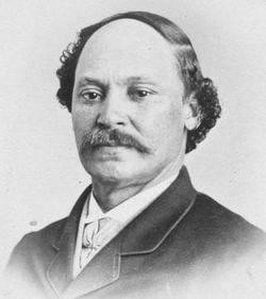
William Berthelet

Discover Robert Scott Duncanson’s 1846 portrait of a young boy – a captivating oil painting showcasing academic realism & subtle symbolism. Explore its linear forms, rich details, and historical significance.

"hu_meta_description": "Robert Seldon Duncanson amerikai tájképfestő volt, aki a 19. században jelent meg. A Hudson River School hatása érezhető munkáiban, melyek a természet szépségét és spirituális kapcsolatát ábrázolják. Az afroamerikai művészet úttörője."

Giclée / Műnyomat

Múzeumi minőségű giclée vagy vászonnyomat, gyors gyártással és rugalmas finomítási lehetőségekkel. ( Kézzel festett másolat rendelése Áttérés digitális képre)

Corner sample of the P118B picture frame: formázott polisztirol, 5 cm wide and 3 cm thick
P118B Ft10
Corner sample of the P118H picture frame: formázott polisztirol, 5 cm wide and 3 cm thick
P118H Ft10
Corner sample of the P118W picture frame: formázott polisztirol, 5 cm wide and 3 cm thick
P118W Ft10
Corner sample of the P438Z picture frame: formázott polisztirol, 5.5 cm wide and 3.5 cm thick
P438Z Ft10
Corner sample of the P508JH picture frame: formázott polisztirol, 7 cm wide and 3.5 cm thick
P508JH Ft12
Corner sample of the P508YH picture frame: formázott polisztirol, 7 cm wide and 3.5 cm thick
P508YH Ft12
Corner sample of the P805H picture frame: formázott polisztirol, 5 cm wide and 3.5 cm thick
P805H Ft10
Corner sample of the P805Z picture frame: formázott polisztirol, 5 cm wide and 3.5 cm thick
P805Z Ft10
Corner sample of the P919BZ picture frame: formázott polisztirol, 7 cm wide and 3.5 cm thick
P919BZ Ft10
Corner sample of the P919G picture frame: formázott polisztirol, 7 cm wide and 3.5 cm thick
P919G Ft10
Corner sample of the P919XJ picture frame: formázott polisztirol, 7 cm wide and 3.5 cm thick
P919XJ Ft10
Corner sample of the P959ZH picture frame: formázott polisztirol, 5 cm wide and 3 cm thick
P959ZH Ft10
Corner sample of the P968JZ picture frame: formázott polisztirol, 6 cm wide and 4 cm thick
P968JZ Ft12
Corner sample of the W106C picture frame: tömörfa, 5 cm wide and 3 cm thick
W106C Ft8
Corner sample of the W218G picture frame: tömörfa, 5 cm wide and 3 cm thick
W218G Ft10
Corner sample of the W218JH picture frame: tömörfa, 5 cm wide and 3 cm thick
W218JH Ft8
Corner sample of the W218Y picture frame: tömörfa, 5 cm wide and 3 cm thick
W218Y Ft10
Corner sample of the W307PJ picture frame: tömörfa, 6 cm wide and 3 cm thick
W307PJ Ft10
Corner sample of the W316G picture frame: tömörfa, 6 cm wide and 3 cm thick
W316G Ft10
Corner sample of the W316PJ picture frame: tömörfa, 6 cm wide and 3 cm thick
W316PJ Ft8
Corner sample of the W316Y picture frame: tömörfa, 6 cm wide and 3 cm thick
W316Y Ft10
Corner sample of the W398PJ picture frame: tömörfa, 5 cm wide and 3 cm thick
W398PJ Ft8
Corner sample of the W4111J picture frame: tömörfa, 6.5 cm wide and 3.5 cm thick
W4111J Ft10
Corner sample of the W500HY picture frame: tömörfa, 7 cm wide and 5 cm thick
W500HY Ft15
Corner sample of the W500JH picture frame: tömörfa, 7 cm wide and 5 cm thick
W500JH Ft15
Corner sample of the W692G picture frame: tömörfa, 8 cm wide and 4 cm thick
W692G Ft12
Corner sample of the W849H picture frame: tömörfa, 5 cm wide and 3 cm thick
W849H Ft8
Corner sample of the W940BG picture frame: tömörfa, 7.5 cm wide and 4.5 cm thick
W940BG Ft15
Corner sample of the W953PJ picture frame: tömörfa, 6 cm wide and 3.5 cm thick
W953PJ Ft8

Standard méret
egyedi méretű
CM
INCH

Válasszon előre meghatározott méreteink közül, amelyek megfelelnek a műalkotás eredeti arányainak.

szélesség
magasság

Írja be a keretének vagy a falának megfelelő szélességet és magasságot. A nyomatot csak le lehet vágni, soha nem tehető nagyobbá, mint az eredeti kép, így egy eltérő alakú méretnél a kép egy része elveszik. Mielőtt bármit kinyatintanánk, küldünk egy digitális próbamodellt jóváhagyásra. Az oldalon látható kép nem tartalmazza a valós levágást — ezt csak a próbamodell mutatja meg.

Világszerte történő kiszállítás területére mindössze 2 hét alatt, a szokásos 4-5 hét helyett. (26 október)

Ingyenes globális expressz szállítás
Prémium minőségű len vászon
Teljes körű szállítási biztosítás
Vámvisszatérítési Garancia
Hiteles színarányosság garancia
100 napos visszaküldési lehetőség (csak hibás termékek esetén)
100% pénzvisszatérítési garancia
Több darab vásárlásakor kedvezmény

Összesített ár

Ft 21829

William Berthelet

Giclée / Műnyomat

Reprodukció mérete

-

Összesített ár

Ft 21829

Gyors információk

  • Influences: Duncanson
  • Movement: Hudson River School
  • Artist: Robert Seldon Duncanson
  • Subject or theme: Portrait of a boy
  • Medium: Oil on canvas
  • Location: Detroit Institute of Arts

Művészeti kvíz

Minden kérdésre csak egy helyes válasz létezik.

Kérdés 1:
What is the primary artistic style of Robert Seldon Duncanson’s ‘William Berthelet’?
Kérdés 2:
The painting 'William Berthelet' was created in which year?
Kérdés 3:
What is the dominant lighting technique used in 'William Berthelet'?
Kérdés 4:
Which of the following best describes the composition of 'William Berthelet'?
Kérdés 5:
Robert Seldon Duncanson is considered significant in American art history for what reason?

William Berthelet’s “William Berthelet” – A Window into Victorian Sentiment

Robert Seldon Duncanson's 1846 portrait of a young boy, titled simply "William Berthelet," is more than just a likeness; it’s a carefully constructed tableau of Victorian sentimentality and academic realism. Painted during a period of significant social and artistic change in America – the rise of the Hudson River School movement and the burgeoning interest in capturing fleeting moments of childhood innocence – this work offers a poignant glimpse into the values and aesthetics of the era. The painting, currently residing within the Detroit Institute of Arts collection, immediately draws the viewer in with its dark, rich background, a deliberate choice that serves to isolate and elevate the subject, a young boy seated thoughtfully in a simple chair.

Duncanson’s technique is distinctly rooted in the academic tradition. He employs meticulous detail, rendering each fold of clothing, each strand of hair, with painstaking accuracy. The brushstrokes are visible yet controlled, creating a sense of texture and depth that invites close inspection. Linear forms dominate the composition – the boy's face, the chair’s structure, even the subtle lines of his attire – contributing to a formal, almost architectural quality. However, Duncanson isn’t merely replicating reality; he’s shaping it, imbuing it with an emotional resonance that transcends mere representation. The use of chiaroscuro—the dramatic contrast between light and shadow—is particularly effective in sculpting the boy's features, highlighting his youthful face and casting intriguing shadows that suggest introspection and quiet contemplation.

A Portrait of Innocence and Victorian Values

The subject himself is presented with a remarkable degree of dignity. The young boy, identified as William Berthelet, sits upright, his gaze directed slightly off-camera, creating an air of mystery and reserve. His posture conveys a sense of composure and self-awareness beyond his years. This deliberate presentation speaks to the Victorian emphasis on moral character and the importance of cultivating virtue in children. The setting—a simple chair within a dark interior—further reinforces this theme, suggesting a space of quiet reflection and private thought. It’s not a bustling family scene or an elaborate portrait of wealth; rather, it's a focused moment dedicated to the individual.

The painting’s historical context is crucial to understanding its deeper meaning. The mid-19th century was a time of rapid industrialization and social upheaval in America. Traditional values were being challenged by new ideas and economic realities. Duncanson, through this portrait, seems to be offering a nostalgic vision of a simpler, more virtuous past—a world where childhood innocence could still flourish amidst the complexities of modern life. The painting can be interpreted as a subtle commentary on the anxieties and aspirations of the Victorian era, capturing both its idealism and its underlying sense of unease.

Symbolism and Emotional Resonance

Beyond its formal qualities, “William Berthelet” is rich in symbolic detail. The dark background, as mentioned earlier, serves to isolate the boy, emphasizing his vulnerability and innocence. The muted color palette—primarily browns, grays, and blacks—contributes to a mood of solemnity and introspection. Even the pose of the boy – seated, contemplative – carries significant weight. It’s not an active, playful posture; it's one of quiet observation, suggesting a mind already engaged in thought and reflection.

The painting evokes a powerful sense of nostalgia—a longing for a bygone era of innocence and simplicity. The boy’s expression is ambiguous, inviting the viewer to project their own emotions onto him. Is he lost in thought? Is he melancholy? Or perhaps simply observing the world with quiet curiosity? Duncanson masterfully avoids offering easy answers, allowing the painting to resonate on a deeply personal level. It's a testament to his skill that “William Berthelet” continues to captivate viewers more than 170 years after its creation.

A Timeless Masterpiece – Reproduction Options

Robert Seldon Duncanson’s "William Berthelet" is a remarkable achievement of American art, offering a compelling blend of technical skill and emotional depth. WahooArt.com offers high-quality reproductions that faithfully capture the painting's rich details and evocative atmosphere. Whether you are an art collector, an interior designer seeking to add a touch of Victorian elegance to your space, or simply someone who appreciates beautiful artwork, a reproduction of “William Berthelet” is sure to be a treasured addition to your collection. Explore our range of sizes and framing options to find the perfect way to bring this timeless masterpiece into your home.

Kérdések és válaszok

Melyik évben készült a „William Berthelet”, Duncanson Robert Seldon alkotása?

A „William Berthelet”, Duncanson Robert Seldon alkotása alkotásának éve 1846.

Megtekinthetném a(z) „William Berthelet”, Duncanson Robert Seldon alkotása röntgensugárzásos felvételét?

A „William Berthelet” rétegről rétegre vizsgálható a mű alkotásának X-ray felvétel oldalán, amely egy restaurátori fényasztal alapján készült interaktív néző, és tizenegyi optikai rétegben mutatja be a képet.

Milyen színintenzitással rendelkezik a „William Berthelet”, Duncanson Robert Seldon alkotása?

A „William Berthelet”, Duncanson Robert Seldon alkotása színei Monochromatic intenzitásúak.


A művész életrajza

Robert Seldon Duncanson: A Pioneer of the American Landscape

Robert Seldon Duncanson, a nevesebb korú amerikai festőművész, aki a 19. század egyik legjelentősebb alakja volt, nem csupán a tájképfestészetet definiálta, hanem a rasszista elnyomás ellen is harcolt. Született egy afroamerikai anya és skót származású apa gyermekeként, 1821-ben Fayetteville-ben, New Yorkban, és az élet nagy részét Amerikában töltötte, ahol a művészet iránti szenvedélye és kitartása lehetővé tette, hogy áthidalja a társadalmi korlátokat. A fiatal Robert karcserépészként kezdett el foglalkozni a festéssel, majd a Cincinnati-ben felbukkant, ahol a "Western Athenaeum" néven ismert kulturális központban találkozott olyan művészekkel, mint Thomas Cole, akik nagy hatással voltak rá.

Kezdeti évei és a Festészeti Művelődés

Duncanson művészetének fejlődése nem volt egyéni erőfeszítés eredménye, hanem a szorgalmas tanulás és a természet közvetlen megfigyelésének terméke. Kezdetben portrékat festett, ami segített beilleszkedni a művészi közösségbe, de hamarosan a tájképfestészet vonzza a figyelmét. A Cincinnati-i kultúrára jellemző romantikus eszmék és az amerikai természeti szépségek inspirálták őt. Azonban Duncanson nem kapott formális művészi képzést, ezért magántanulóként fejlesztette készségeit, tanulva a nyomatokból, közvetlen természet megfigyeléséből és a korabeli nagy mesterek munkáinak másolásából. Ez a szigorú módszer lehetővé tette számára, hogy fejlesszse a részletekre való odafigyelést és a művészi technikát, annak ellenére, hogy nem volt hivatalos tanfolyamon résztvevő. A Cincinnati-ben töltött évei során Duncanson elmélyült a Hudson River School hatásában, különösen Thomas Cole munkásságában, aki a természeti tájak dramatikus ábrázolásaival resonált őrnél.

Európa Utazása és Nemzetközi Elismertség

Duncansont 1853-ban-1854-ben Európába vezetett az útja, ami jelentős mérföldkő volt a pályafutásában. Ez a hosszú utazás lehetőséget adott arra, hogy tanulmányozza a korabeli európai mesterek művészetét, bővítsen látlátását és finomítsa technikáit. A festők, mint például Jean-Auguste Dominique Ingres és Eugène Delacroix, munkássága nagyban befolyásolta őt. Az utazás után Duncansont nemcsak Amerikában, hanem Angliában, Skóciában és Kanadában is elismert művésznek tekintették. A kiállításai megerősítették a helyét a művészi közösségben, és bevezették őt az amerikai művészetek középosztályába.

Kanada és a Művészeti Tanítás

A kanadai tartózkodás Duncansont új utakat nyitott meg. 1861-ben Kanada volt az első hely, ahol egyedi stílusú tájképfestményeket készített, melyek a Saint Lawrence folyó vidékeinek képezték alapját. A festmények mélyen gazdag színekkel és részleteivel voltak átdolgozva, melyek a kanadai természeti szépségét idézik. Duncansont Kanada művészeti életének egyik vezető alakjává emelték, ahol egy dedikált kanadai tájképiskola alapításában is részt vett.

Történelmi Fontosság és Örökség

Robert Seldon Duncansont nem csupán a művészi sikereiért emlékezetesebbé teszik, hanem a rasszista elnyomás ellen való harcban nyújtott szolgálatairól is. A korabeli amerikai társadalomban, amikor az afroamerikaiak gyakran szinte teljesen kizáródtak a művészeti életből, Duncansont sikerült beilleszkednie és elismerést nyernie. Művei nem csupán a táj szépségét ábrázolják, hanem a természettel való spirituális kapcsolatot is kifejezik. A festményei gyakran rejtett üzeneteket hordoznak, melyek a mórral szembeni érzületeket tükrözik. Duncansont a művészet történelem egyik legjelentősebb alakjaként tartják számon, aki a korlátok ellenére is sikeresen építette pályáját és egyedülálló helyet talált magának az amerikai művészeti életben.
  • Főbb témái: Tájképfestészet, romantikus eszmék, Hudson River School hatása, spirituális kapcsolat a természettel.
  • Bemutató alkotásai: “Landscape with Sheep”, “Roses Still Life”, és számos kép a Cincinnati-i Ohio folyó vidékeiről.
Duncanson Robert Seldon

Duncanson Robert Seldon

1821 - 1872 , Egyesült Államok

Rövid információk

  • Artistic Movement Or Style: Hudson River School
  • Artists Or Movements Influenced By This Artist: ['Ohio River Valley hagyománya']
  • Artists Who Influenced This Artist: ['Thomas Cole']
  • Date Of Birth: c. 1821
  • Date Of Death: Dec 21, 1872
  • Full Name: Robert Seldon Duncanson
  • Nationality: Amerikai Egyesült Államok
  • Notable Artworks:
    • Landsc. szarvasával
    • Virágok still life
  • Place Of Birth: Fayetteville, USA
Fedezze fel a műalkotásokat témák, stílusok és jellemzők szerint csoportosítva.