Előnézet AR előnézet Kézzel festett másolat vásárlása Áttérés digitális képre Megosztás
Részletek Útmutató Kedvencekhez ad Letöltés Hasonló darabok X-ray felvétel Diavetítés Statisztika

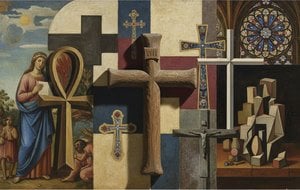
The Serpent ^ The Cross

'Saint Margaret' was created in 1518 by Raphael in High Renaissance style. Find more prominent pieces of religious painting at WikiArt.org – best visual art ...

Raffaello Sanzio (1483-1520): A reneszánsz mester, aki a nyugodt madonáival, építészeti nagyságával és ikonikus alkotásaiért ismert. Fedezze fel Urbino gyökereit és művészete örökségét!

Giclée / Műnyomat

Múzeumi minőségű giclée vagy vászonnyomat, gyors gyártással és rugalmas finomítási lehetőségekkel. ( Kézzel festett másolat vásárlása Áttérés digitális képre)

Corner sample of the P118B picture frame: formázott polisztirol, 5 cm wide and 3 cm thick
P118B Ft10
Corner sample of the P118H picture frame: formázott polisztirol, 5 cm wide and 3 cm thick
P118H Ft10
Corner sample of the P118W picture frame: formázott polisztirol, 5 cm wide and 3 cm thick
P118W Ft10
Corner sample of the P438Z picture frame: formázott polisztirol, 5.5 cm wide and 3.5 cm thick
P438Z Ft10
Corner sample of the P508JH picture frame: formázott polisztirol, 7 cm wide and 3.5 cm thick
P508JH Ft12
Corner sample of the P508YH picture frame: formázott polisztirol, 7 cm wide and 3.5 cm thick
P508YH Ft12
Corner sample of the P805H picture frame: formázott polisztirol, 5 cm wide and 3.5 cm thick
P805H Ft10
Corner sample of the P805Z picture frame: formázott polisztirol, 5 cm wide and 3.5 cm thick
P805Z Ft10
Corner sample of the P919BZ picture frame: formázott polisztirol, 7 cm wide and 3.5 cm thick
P919BZ Ft10
Corner sample of the P919G picture frame: formázott polisztirol, 7 cm wide and 3.5 cm thick
P919G Ft10
Corner sample of the P919XJ picture frame: formázott polisztirol, 7 cm wide and 3.5 cm thick
P919XJ Ft10
Corner sample of the P959ZH picture frame: formázott polisztirol, 5 cm wide and 3 cm thick
P959ZH Ft10
Corner sample of the P968JZ picture frame: formázott polisztirol, 6 cm wide and 4 cm thick
P968JZ Ft12
Corner sample of the W106C picture frame: tömörfa, 5 cm wide and 3 cm thick
W106C Ft8
Corner sample of the W218G picture frame: tömörfa, 5 cm wide and 3 cm thick
W218G Ft10
Corner sample of the W218JH picture frame: tömörfa, 5 cm wide and 3 cm thick
W218JH Ft8
Corner sample of the W218Y picture frame: tömörfa, 5 cm wide and 3 cm thick
W218Y Ft10
Corner sample of the W307PJ picture frame: tömörfa, 6 cm wide and 3 cm thick
W307PJ Ft10
Corner sample of the W316G picture frame: tömörfa, 6 cm wide and 3 cm thick
W316G Ft10
Corner sample of the W316PJ picture frame: tömörfa, 6 cm wide and 3 cm thick
W316PJ Ft8
Corner sample of the W316Y picture frame: tömörfa, 6 cm wide and 3 cm thick
W316Y Ft10
Corner sample of the W398PJ picture frame: tömörfa, 5 cm wide and 3 cm thick
W398PJ Ft8
Corner sample of the W4111J picture frame: tömörfa, 6.5 cm wide and 3.5 cm thick
W4111J Ft10
Corner sample of the W500HY picture frame: tömörfa, 7 cm wide and 5 cm thick
W500HY Ft15
Corner sample of the W500JH picture frame: tömörfa, 7 cm wide and 5 cm thick
W500JH Ft15
Corner sample of the W692G picture frame: tömörfa, 8 cm wide and 4 cm thick
W692G Ft12
Corner sample of the W849H picture frame: tömörfa, 5 cm wide and 3 cm thick
W849H Ft8
Corner sample of the W940BG picture frame: tömörfa, 7.5 cm wide and 4.5 cm thick
W940BG Ft15
Corner sample of the W953PJ picture frame: tömörfa, 6 cm wide and 3.5 cm thick
W953PJ Ft8

Standard méret
egyedi
CM
INCH

Válasszon előre meghatározott méreteink közül, amelyek megfelelnek a műalkotás eredeti arányainak.

szélesség
magasság

Írja be a keretének vagy a falának megfelelő szélességet és magasságot. A nyomatot csak le lehet vágni, soha nem tehető nagyobbá, mint az eredeti kép, így egy eltérő alakú méretnél a kép egy része elveszik. Mielőtt bármit kinyatintanánk, küldünk egy digitális próbamodellt jóváhagyásra. Az oldalon látható kép nem tartalmazza a valós levágást — ezt csak a próbamodell mutatja meg.

Világszerte történő kiszállítás területére mindössze 2 hét alatt, a szokásos 4-5 hét helyett. (20 október)

Ingyenes globális expressz szállítás
Prémium minőségű len vászon
Teljes körű szállítási biztosítás
Vámvisszatérítési Garancia
Tökéletes színarányosság garancia
100 napos visszaküldési garancia (csak gyártási hibás termékek esetén)
100% pénzvisszatérítési garancia
Több darab vásárlásakor kedvezmény

Összesített ár

Ft 21459

The Serpent ^ The Cross

Giclée / Műnyomat

Reprodukció méretei

-

Összesített ár

Ft 21459

Rövid tények

  • Influences: Humanist learning
  • Medium: Painting
  • Artist: Raphael
  • Artistic style: Allegorical

Művészeti kvíz

Minden kérdésre csak egy helyes válasz létezik.

Kérdés 1:
What artistic movement is Raphael’s ‘The Serpent ^ The Cross’ primarily associated with?
Kérdés 2:
The painting depicts a symbolic battle. What does the serpent represent in this context?
Kérdés 3:
What is prominent about Raphael’s depiction of the woman in ‘The Serpent ^ The Cross’?
Kérdés 4:
What material was Raphael most likely to have used for this painting?
Kérdés 5:
Considering the symbolism of the cross, what overarching theme does ‘The Serpent ^ The Cross’ convey?

A Triumph of Faith Amidst the Shadows

In the grand tapestry of the High Renaissance, few images capture the visceral struggle between light and darkness as poignantly as Raphael’s “The Serpent ^ The Cross.” Painted in 1518, this evocative masterpiece serves as a profound allegory of spiritual victory. At first glance, the viewer is met with a scene of intense drama: a courageous woman stands atop a colossal, undulating serpent, her figure a beacon of resilience against the encroaching gloom. This is not merely a depiction of a battle, but a sophisticated theological statement on the triumph of divine grace over earthly temptation. The serpent, with its scales shimmering in iridescent, almost hypnotic hues, represents the insidious nature of sin and the weight of worldly desire, while the woman’s steady posture embodies the indomitable strength of the human soul when anchored by faith.

The emotional resonance of the piece is deepened by Raphael’s masterful command of chiaroscuro. By orchestrating a dramatic interplay between deep, velvety shadows and piercing highlights, the artist breathes life into the composition, creating a sense of three-dimensional movement that pulls the observer into the fray. The way light catches the golden leaf of the cross she holds aloft creates a celestial focal point, a luminous symbol of redemption that pierces through the surrounding darkness. For the discerning collector or interior designer, this painting offers more than just visual beauty; it provides a profound narrative anchor for a space, inviting contemplation on themes of perseverance and the eternal search for transcendence.

Renaissance Mastery and Symbolic Depth

Technically, “The Serpent ^ The Cross” showcases the pinnacle of Raphael’s skill during his mature period. Utilizing oil on canvas, he achieved a level of textural detail that is nothing short of breathtaking. One can almost feel the cold, slick surface of the dragon's scales and the soft, heavy drape of the woman’s garments. While her attire is rendered in more muted, earthy tones—suggesting a grounded, human vulnerability—the deliberate use of gold leaf on the cross elevates the object from a mere tool to a divine instrument. This contrast between the terrestrial and the celestial is a hallmark of the Renaissance humanist tradition, reflecting the era's fascination with reconciling physical reality with spiritual truth.

The historical context of the work further enriches its meaning. Created during the reign of Federico Montefeltro in Urbino, a city that pulsed with intellectual and artistic innovation, the painting reflects the intense religious fervor and moral inquiry of the early 16th century. As Europe stood on the precipice of profound religious shifts, Raphael’s work captured a moment of absolute conviction. To possess a reproduction of this work is to bring a piece of history into the modern home—a piece that speaks of the enduring human yearning to overcome limitations and embrace a higher truth. It is an ideal selection for those seeking to infuse their environment with a sense of nobility, strength, and timeless grace.

Gyakran Ismételt Kérdések

Ki készítette a(t): "The Serpent ^ The Cross"?

A "The Serpent ^ The Cross" alkotója Raffaello Sanzio. A mű Raffaello Sanzio nevére van katalógusozva.

Milyen érzést kelt „The Serpent ^ The Cross”, Raffaello Sanzio alkotása színei?

A „The Serpent ^ The Cross”, Raffaello Sanzio alkotása Earthy palettája harmonikában van Powerful érzelmi hangulatával. A szín az egyik módja annak, ahogyan egy mű érzelmeket közvetít.

Milyen típusú műalkotás „The Serpent ^ The Cross”, Raffaello Sanzio alkotása?

A „The Serpent ^ The Cross”, Raffaello Sanzio alkotása művészeti alkotás WallArt kategóriába tartozik. Ez a besorolás azt határozza meg, hogy az eredeti alkotás milyen típusú művészeti alkotás.


A művész életrajza

A Reneszánsz Fénye: Raffaello Sanzio élete és művészete

Raffaello Sanzio da Urbino, a világ Raffaelloként ismerte, a reneszánsz egyik legkiemelkedőbb alakja volt. 1483-ban született Urbino falai között, egy kis, de intellektuálisan pezsgő itáliai városállamban. Korai éveit olyan légkörben töltötte, amely a művészi képességeket és a humanista tudást egyaránt értékelte. Apja, Giovanni Santi nem csupán Federico da Montefeltro herceg festője volt – hanem mélyen elmerült a reneszánsz gondolkodásának áramlataiban, költő, aki megörökítette a herceg életét és aktívan keresett innovatív művészeti ötleteket Itália szerte. Ez az udvari környezetbe való beágyazódás, amely a finomságot és az intellektuális párbeszédet értékelte, mélyen formálta Raffaello érzékenységét. Apja elvesztése tizenegy éves korában felelősséget rótt rá, de lehetőséget is teremtett arra, hogy a családi műhelyben csiszolja képességeit, helyi művészek útmutatásával elsajátítva a technikákat és hagyományokat. Még ezekben a korai munkákban is megjelent a lágy kecsesség és a részletek aprólékos figyelme – érett stílusának előhírnökei.

Umbriától Firenzéig: Új Hatások Befogadása

Raffaello művészeti útja folyamatos fejlődés volt, intenzív tanulmányozás és asszimiláció időszakaival tarkítva. Kezdő képzése Pietro Perugino mellett Perugiában szilárd alapot vetett az umbriai stílusban – amely a lágy modellezéssel, harmonikus kompozíciókkal és békés vallási jelenetekkel jellemezhető. Raffaello azonban kielégíthetetlen kíváncsisága sarkallta arra, hogy új kihívásokat keressen és bővítse művészeti horizontját. 1504-ben Firenzébe utazott, egy város, amely akkor a művészeti innováció energiájától vibrált. Itt találkozott Leonardo da Vinci és Michelangelo remekműveivel, olyan művészekkel, akik példátlan módon tolották a festészet határait. Gondosan tanulmányozta technikáikat – Leonardo sfumatóját, finom fény- és árnyékgrádációit, valamint Michelangelo erőteljes anatómiai pontosságát és drámai kompozícióit. Ez a firenzei időszak Raffaello számára egy fontos próbaperiódus volt, kényszerítve arra, hogy új művészeti lehetőségekkel szembesüljön és azokat saját egyedi látásmódjába ötvözze. A hatás látható a korszak munkáinak megnövekedett dinamizmusában és pszichológiai mélységében, különösen Madonna-sorozatában.

A Római Diadal: Megrendelések és Remekművek

1508-ban Raffaello kapott egy behívást, amely megváltoztatta karrierjét – Julius II pápa meghívását Rómába. Ez a legtermékenyebb és leghíresebb időszakának kezdete volt. Az Örök Város páratlan lehetőséget kínált számára, hogy bemutassa tehetségét nagyszabású méretekben, lélegzetelállító freskókkal díszítve a vatikáni pápai lakosztályokat. A The School of Athens, talán leghíresebb műve, tanúbizonyság teszi kompozíciós mesterségéről, perspektívájáról és filozófiai allegóriájáról. Ebben a nagyszabású térben Raffaello az antikvitás klasszikus alakjait hozta össze – Platón, Arisztotelész, Püthagorasz, Eukleidész – egy élénk tablót teremtve, amely ünnepelte az emberi észlényt és a tudás keresését. Továbbra is dolgozott későbbi pápák számára, köztük X. Leó számára, monumentális projektekbe kezdett, mint például a Stanze della Segnatura és a Stanza d'Eliodoro díszítése. Ezekben a szobákban található freskók nem csupán dekoratívak; mély nyilatkozatok a pápai hatalomról, a vallási hitről és a reneszánsz ideáljairól.

A Kecsesség és a Nagyság Szintézise: Raffaello Művészeti Stílusa

Raffaello művészeti stílusát gyakran harmonikus keveréknek írják le a kecsességgel, tisztasággal és idealizált szépséggel. Rendkívüli képessége volt arra, hogy sokféle hatást – az umbriai hagyományt, firenzei innovációkat, klasszikus antikvitást – egyedülállóan kiegyensúlyozott esztétikába ötvözze. Kompozícióit gondosan megtervezte, a reneszánsz elvek mély megértését tükröző rend és arányosság érzetével. Alakjai békés méltóságot és érzelmi kifejezőképességet árasztanak, megtestesítve a humanista ideálokat. Emellett mester színész volt, gazdag, ragyogó árnyalatokat alkalmazva olyan munkák létrehozásához, amelyek vizuálisan magával ragadóak és intellektuálisan is stimulálóak. Michelangelo gyakran drámai és viharos stílusától eltérően Raffaello munkája nyugalmat és harmóniát áraszt – egy tulajdonság, amely évszázadok óta elbűvöli a közönséget.

Örökség és Tartós Hatás

Raffaello idő előtti halála 1520-ban, mindössze harminchat éves korában egy hatalmas potenciállal teli karriert szakított meg. Ennek ellenére öröksége fennmaradt a nyugati művészettörténet egyik legjelentősebb alakjaként. Munkája a magas reneszánsz esztétikájának sarokköve lett, generációk számára szolgáltatva mintát. Bár Michelangelo hatása később dominálta a művészeti diskurzust, Raffaello hangsúlyozása a tisztaságra, harmóniára és idealizált szépségre reneszánsz kori kritikusok, például Johann Joachim Winckelmann által újraéledt. Ma festményei továbbra is ámulatba ejtik és csodálatot váltanak ki, lenyűgözve a nézőket technikai zsenialitásukkal, érzelmi mélységükkel és tartós vonzerejével. Hatása számtalan utókorban készült műalkotásban látható, megerősítve helyét az igaz reneszánsz mestereként – egy festőként, aki nemcsak a tárgyainak fizikai hasonlóságát rögzítette, hanem az emberi kecsesség és méltóság lényegét is.

Raffaello Sanzio

Raffaello Sanzio

1483 - 1520 , Olaszország

Gyors információk

  • Artistic Movement Or Style: Magas Reneszánsz
  • Artists Or Movements Influenced By This Artist: ['Neoklasszicizmus']
  • Artists Who Influenced This Artist:
    • Leonardo da Vinci
    • Michelangelo
  • Date Of Birth: 1483
  • Date Of Death: 1520
  • Full Name: Raffaello Sanzio
  • Nationality: Olasz
  • Notable Artworks:
    • Az athéni iskola
    • Sistina Madonna
  • Place Of Birth (City And Country): Urbino, Olaszország
Fedezze fel a műalkotásokat témák, stílusok és jellemzők szerint csoportosítva.