Megtekintés AR előnézet Kézzel festett másolat rendelése Áttérés digitális képre Küldés
Részletek Útmutató Kedvencekhez ad Letöltés Hasonló darabok X-ray felvétel Diavetítés Statisztika

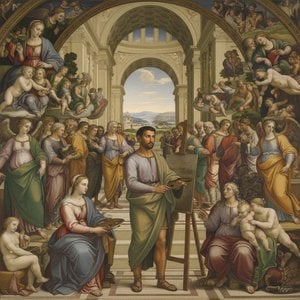
The parnassus (detail)7

Witness Raphael's mastery in 'The Parnassus (detail)'! This High Renaissance fresco captures classical mythology & musical beauty with vibrant colors & intricate detail – a Vatican masterpiece.

Raffaello Sanzio (1483-1520): A reneszánsz mester, aki a nyugodt madonáival, építészeti nagyságával és ikonikus alkotásaiért ismert. Fedezze fel Urbino gyökereit és művészete örökségét!

Giclée / Műnyomat

Múzeumi minőségű giclée vagy vászonnyomat, gyors gyártással és rugalmas finomítási lehetőségekkel. ( Kézzel festett másolat rendelése Áttérés digitális képre)

Corner sample of the P118B picture frame: formázott polisztirol, 5 cm wide and 3 cm thick
P118B Ft10
Corner sample of the P118H picture frame: formázott polisztirol, 5 cm wide and 3 cm thick
P118H Ft10
Corner sample of the P118W picture frame: formázott polisztirol, 5 cm wide and 3 cm thick
P118W Ft10
Corner sample of the P438Z picture frame: formázott polisztirol, 5.5 cm wide and 3.5 cm thick
P438Z Ft10
Corner sample of the P508JH picture frame: formázott polisztirol, 7 cm wide and 3.5 cm thick
P508JH Ft12
Corner sample of the P508YH picture frame: formázott polisztirol, 7 cm wide and 3.5 cm thick
P508YH Ft12
Corner sample of the P805H picture frame: formázott polisztirol, 5 cm wide and 3.5 cm thick
P805H Ft10
Corner sample of the P805Z picture frame: formázott polisztirol, 5 cm wide and 3.5 cm thick
P805Z Ft10
Corner sample of the P919BZ picture frame: formázott polisztirol, 7 cm wide and 3.5 cm thick
P919BZ Ft10
Corner sample of the P919G picture frame: formázott polisztirol, 7 cm wide and 3.5 cm thick
P919G Ft10
Corner sample of the P919XJ picture frame: formázott polisztirol, 7 cm wide and 3.5 cm thick
P919XJ Ft10
Corner sample of the P959ZH picture frame: formázott polisztirol, 5 cm wide and 3 cm thick
P959ZH Ft10
Corner sample of the P968JZ picture frame: formázott polisztirol, 6 cm wide and 4 cm thick
P968JZ Ft12
Corner sample of the W106C picture frame: tömörfa, 5 cm wide and 3 cm thick
W106C Ft8
Corner sample of the W218G picture frame: tömörfa, 5 cm wide and 3 cm thick
W218G Ft10
Corner sample of the W218JH picture frame: tömörfa, 5 cm wide and 3 cm thick
W218JH Ft8
Corner sample of the W218Y picture frame: tömörfa, 5 cm wide and 3 cm thick
W218Y Ft10
Corner sample of the W307PJ picture frame: tömörfa, 6 cm wide and 3 cm thick
W307PJ Ft10
Corner sample of the W316G picture frame: tömörfa, 6 cm wide and 3 cm thick
W316G Ft10
Corner sample of the W316PJ picture frame: tömörfa, 6 cm wide and 3 cm thick
W316PJ Ft8
Corner sample of the W316Y picture frame: tömörfa, 6 cm wide and 3 cm thick
W316Y Ft10
Corner sample of the W398PJ picture frame: tömörfa, 5 cm wide and 3 cm thick
W398PJ Ft8
Corner sample of the W4111J picture frame: tömörfa, 6.5 cm wide and 3.5 cm thick
W4111J Ft10
Corner sample of the W500HY picture frame: tömörfa, 7 cm wide and 5 cm thick
W500HY Ft15
Corner sample of the W500JH picture frame: tömörfa, 7 cm wide and 5 cm thick
W500JH Ft15
Corner sample of the W692G picture frame: tömörfa, 8 cm wide and 4 cm thick
W692G Ft12
Corner sample of the W849H picture frame: tömörfa, 5 cm wide and 3 cm thick
W849H Ft8
Corner sample of the W940BG picture frame: tömörfa, 7.5 cm wide and 4.5 cm thick
W940BG Ft15
Corner sample of the W953PJ picture frame: tömörfa, 6 cm wide and 3.5 cm thick
W953PJ Ft8

Standard méret
egyedi méretű
CM
INCH

Válasszon előre meghatározott méreteink közül, amelyek megfelelnek a műalkotás eredeti arányainak.

szélesség
magasság

Írja be a keretének vagy a falának megfelelő szélességet és magasságot. A nyomatot csak le lehet vágni, soha nem tehető nagyobbá, mint az eredeti kép, így egy eltérő alakú méretnél a kép egy része elveszik. Mielőtt bármit kinyatintanánk, küldünk egy digitális próbamodellt jóváhagyásra. Az oldalon látható kép nem tartalmazza a valós levágást — ezt csak a próbamodell mutatja meg.

Világszerte történő kiszállítás területére mindössze 2 hét alatt, a szokásos 4-5 hét helyett. (25 október)

Ingyenes globális expressz szállítás
Prémium minőségű len vászon
Teljes körű szállítási biztosítás
Vámvisszatérítési Garancia
Hiteles színarányosság garancia
100 napos visszaküldési lehetőség (csak hibás termékek esetén)
100% pénzvisszatérítési garancia
Több darab vásárlásakor kedvezmény

Összesített ár

Ft 21796

The parnassus (detail)7

Giclée / Műnyomat

Reprodukció mérete

-

Összesített ár

Ft 21796

Gyors információk

  • Subject or theme: Classical mythology
  • Location: Vatican Museums
  • Artistic style: Neoplatonic ideals
  • Title: The Parnassus (detail)
  • Influences:
    • Piero della Francesca
    • Plato

Művészeti kvíz

Minden kérdésre csak egy helyes válasz létezik.

Kérdés 1:
The painting ‘The Parnassus (detail)7’ primarily depicts:
Kérdés 2:
The figure in the red hat with green leaves is most likely representing:
Kérdés 3:
Considering Raphael’s artistic style and the context of the High Renaissance, what is a key characteristic of ‘The Parnassus (detail)7’?
Kérdés 4:
The presence of leaves in the painting suggests:
Kérdés 5:
Raphael’s work often drew inspiration from which classical tradition?

The Parnassus (Detail) by Raphael: A Window into Renaissance Ideals

Raphael’s “The Parnassus (detail)” offers a breathtaking glimpse into the heart of High Renaissance artistry, specifically as it manifests within the opulent setting of the Vatican Palace. This intricate fresco fragment, meticulously recreated in our hand-painted reproductions, isn't merely a depiction of mythological figures; it’s a carefully constructed allegory brimming with Neoplatonic philosophy and humanist ideals – a testament to Raphael’s mastery of composition, color, and psychological depth. The detail presented here focuses on the central figure, a man radiating an aura of serene contemplation as he gazes downwards, seemingly lost in thought amidst the vibrant chaos of the scene. His posture, his expression, immediately draws the viewer into this world of intellectual pursuit.

The painting’s genesis lies within the ambitious project commissioned by Pope Julius II to decorate the *Stanza della Segnatura* – a room intended as the papal library and a symbolic representation of the four branches of knowledge: philosophy, theology, poetry, and law. Raphael was tasked with creating a series of frescoes that would embody these disciplines, and “The Parnassus” served as the centerpiece, illustrating the realm of mythology and music, closely linked to philosophical contemplation. It’s crucial to remember that Raphael wasn't simply copying classical sources; he was actively engaging with them, imbuing them with a distinctly Renaissance sensibility – a blend of ancient wisdom and contemporary humanism.

A Symphony of Figures and Symbols

The fresco is populated by a remarkable array of figures: Apollo, the god of music and poetry, stands proudly at the center, playing his lyre; Mercury, messenger of the gods, flutes a panpipe; Thalia, goddess of comedy, holds a tympanum; and Calliope, muse of epic poetry, guides the composition with her caduceus. Each figure is rendered with exquisite detail, showcasing Raphael’s unparalleled skill in capturing human anatomy and emotion. Notice the subtle variations in their gestures, expressions, and clothing – elements that contribute to the overall dynamism and narrative complexity of the scene. The inclusion of musicians, poets, and philosophers underscores the fresco's central theme: the pursuit of knowledge and artistic inspiration.

Beyond the mythological figures, the painting is rich with symbolic details. The presence of a young man, partially obscured by Apollo, has been interpreted as representing the ideal artist – a figure dedicated to intellectual pursuits and creative expression. His downward gaze suggests introspection and a connection to the divine source of inspiration. The leaves scattered throughout the composition, particularly those visible on the right side of this detail, subtly evoke the natural world—a vital element in Renaissance thought, symbolizing harmony, growth, and the interconnectedness of all things. The use of color is equally significant; Raphael masterfully employs a vibrant palette to create depth, atmosphere, and visual interest.

Technique and Legacy

Raphael’s technique in “The Parnassus” exemplifies the High Renaissance ideal of *disegno*, emphasizing line and form over mere color. He employed meticulous layering of thin glazes of tempera paint on a gesso ground, creating surfaces that shimmer with luminosity and depth. The detail presented here highlights this careful attention to texture and modeling – particularly evident in the folds of the figures’ clothing and the intricate details of their instruments. His mastery of perspective and spatial relationships is equally impressive, drawing the viewer into the scene and creating a sense of immersive realism.

“The Parnassus” stands as one of Raphael's most celebrated works, alongside “The School of Athens,” and it profoundly influenced generations of artists. Its harmonious composition, balanced color palette, and profound symbolic content established a new standard for High Renaissance painting. The work’s enduring appeal lies in its ability to evoke a sense of intellectual curiosity, artistic inspiration, and the timeless pursuit of beauty – qualities that continue to resonate with viewers today. Our hand-painted reproductions strive to capture not just the visual appearance of this masterpiece but also the spirit and emotional depth that make it so profoundly moving.

Bringing “The Parnassus” into Your Space

Whether you’re an art enthusiast, a collector seeking a significant addition to your collection, or simply someone drawn to the beauty and elegance of Renaissance art, our hand-painted reproduction of Raphael's "The Parnassus (detail)" offers a unique opportunity to experience this iconic masterpiece firsthand. Each reproduction is created by skilled artisans using traditional techniques, ensuring that it faithfully captures the nuances of color, texture, and detail of the original fresco. Consider how this vibrant scene would complement your interior design – adding a touch of intellectual sophistication and timeless beauty to any room.

Explore Raphael’s ‘The Parnassus (detail)’ | Discover Raphael’s ‘The Parnassus’ detail – a stunning Renaissance fresco showcasing mythology & musical beauty.

Kérdések és válaszok

Hol vásárolhatom meg „The parnassus (detail)7”, Raffaello Sanzio alkotása digitális képét?

A "The parnassus (detail)7" elérhető magas felbontású digitális kép letöltése formátumban, amelyet közvetlenül a Digitális alkotás oldalon vásárolhat meg.

Szabadon reprodukálható-e a/az „The parnassus (detail)7”, Raffaello Sanzio alkotása képe?

A „The parnassus (detail)7”, Raffaello Sanzio alkotása közösségi tulajdon – a szerzői jog lejártt státuszú mű. Ez a jogi státusz határozza meg, hogy a mű képmásolata hogyan reproduzható.

A "The parnassus (detail)7" egy híres High Renaissance művészeti alkotás?

A High Renaissance irányzatban a "The parnassus (detail)7" alkotásnak Iconic népszerűségi szintje van.


A művész életrajza

A Reneszánsz Fénye: Raffaello Sanzio élete és művészete

Raffaello Sanzio da Urbino, a világ Raffaelloként ismerte, a reneszánsz egyik legkiemelkedőbb alakja volt. 1483-ban született Urbino falai között, egy kis, de intellektuálisan pezsgő itáliai városállamban. Korai éveit olyan légkörben töltötte, amely a művészi képességeket és a humanista tudást egyaránt értékelte. Apja, Giovanni Santi nem csupán Federico da Montefeltro herceg festője volt – hanem mélyen elmerült a reneszánsz gondolkodásának áramlataiban, költő, aki megörökítette a herceg életét és aktívan keresett innovatív művészeti ötleteket Itália szerte. Ez az udvari környezetbe való beágyazódás, amely a finomságot és az intellektuális párbeszédet értékelte, mélyen formálta Raffaello érzékenységét. Apja elvesztése tizenegy éves korában felelősséget rótt rá, de lehetőséget is teremtett arra, hogy a családi műhelyben csiszolja képességeit, helyi művészek útmutatásával elsajátítva a technikákat és hagyományokat. Még ezekben a korai munkákban is megjelent a lágy kecsesség és a részletek aprólékos figyelme – érett stílusának előhírnökei.

Umbriától Firenzéig: Új Hatások Befogadása

Raffaello művészeti útja folyamatos fejlődés volt, intenzív tanulmányozás és asszimiláció időszakaival tarkítva. Kezdő képzése Pietro Perugino mellett Perugiában szilárd alapot vetett az umbriai stílusban – amely a lágy modellezéssel, harmonikus kompozíciókkal és békés vallási jelenetekkel jellemezhető. Raffaello azonban kielégíthetetlen kíváncsisága sarkallta arra, hogy új kihívásokat keressen és bővítse művészeti horizontját. 1504-ben Firenzébe utazott, egy város, amely akkor a művészeti innováció energiájától vibrált. Itt találkozott Leonardo da Vinci és Michelangelo remekműveivel, olyan művészekkel, akik példátlan módon tolották a festészet határait. Gondosan tanulmányozta technikáikat – Leonardo sfumatóját, finom fény- és árnyékgrádációit, valamint Michelangelo erőteljes anatómiai pontosságát és drámai kompozícióit. Ez a firenzei időszak Raffaello számára egy fontos próbaperiódus volt, kényszerítve arra, hogy új művészeti lehetőségekkel szembesüljön és azokat saját egyedi látásmódjába ötvözze. A hatás látható a korszak munkáinak megnövekedett dinamizmusában és pszichológiai mélységében, különösen Madonna-sorozatában.

A Római Diadal: Megrendelések és Remekművek

1508-ban Raffaello kapott egy behívást, amely megváltoztatta karrierjét – Julius II pápa meghívását Rómába. Ez a legtermékenyebb és leghíresebb időszakának kezdete volt. Az Örök Város páratlan lehetőséget kínált számára, hogy bemutassa tehetségét nagyszabású méretekben, lélegzetelállító freskókkal díszítve a vatikáni pápai lakosztályokat. A The School of Athens, talán leghíresebb műve, tanúbizonyság teszi kompozíciós mesterségéről, perspektívájáról és filozófiai allegóriájáról. Ebben a nagyszabású térben Raffaello az antikvitás klasszikus alakjait hozta össze – Platón, Arisztotelész, Püthagorasz, Eukleidész – egy élénk tablót teremtve, amely ünnepelte az emberi észlényt és a tudás keresését. Továbbra is dolgozott későbbi pápák számára, köztük X. Leó számára, monumentális projektekbe kezdett, mint például a Stanze della Segnatura és a Stanza d'Eliodoro díszítése. Ezekben a szobákban található freskók nem csupán dekoratívak; mély nyilatkozatok a pápai hatalomról, a vallási hitről és a reneszánsz ideáljairól.

A Kecsesség és a Nagyság Szintézise: Raffaello Művészeti Stílusa

Raffaello művészeti stílusát gyakran harmonikus keveréknek írják le a kecsességgel, tisztasággal és idealizált szépséggel. Rendkívüli képessége volt arra, hogy sokféle hatást – az umbriai hagyományt, firenzei innovációkat, klasszikus antikvitást – egyedülállóan kiegyensúlyozott esztétikába ötvözze. Kompozícióit gondosan megtervezte, a reneszánsz elvek mély megértését tükröző rend és arányosság érzetével. Alakjai békés méltóságot és érzelmi kifejezőképességet árasztanak, megtestesítve a humanista ideálokat. Emellett mester színész volt, gazdag, ragyogó árnyalatokat alkalmazva olyan munkák létrehozásához, amelyek vizuálisan magával ragadóak és intellektuálisan is stimulálóak. Michelangelo gyakran drámai és viharos stílusától eltérően Raffaello munkája nyugalmat és harmóniát áraszt – egy tulajdonság, amely évszázadok óta elbűvöli a közönséget.

Örökség és Tartós Hatás

Raffaello idő előtti halála 1520-ban, mindössze harminchat éves korában egy hatalmas potenciállal teli karriert szakított meg. Ennek ellenére öröksége fennmaradt a nyugati művészettörténet egyik legjelentősebb alakjaként. Munkája a magas reneszánsz esztétikájának sarokköve lett, generációk számára szolgáltatva mintát. Bár Michelangelo hatása később dominálta a művészeti diskurzust, Raffaello hangsúlyozása a tisztaságra, harmóniára és idealizált szépségre reneszánsz kori kritikusok, például Johann Joachim Winckelmann által újraéledt. Ma festményei továbbra is ámulatba ejtik és csodálatot váltanak ki, lenyűgözve a nézőket technikai zsenialitásukkal, érzelmi mélységükkel és tartós vonzerejével. Hatása számtalan utókorban készült műalkotásban látható, megerősítve helyét az igaz reneszánsz mestereként – egy festőként, aki nemcsak a tárgyainak fizikai hasonlóságát rögzítette, hanem az emberi kecsesség és méltóság lényegét is.

Raffaello Sanzio

Raffaello Sanzio

1483 - 1520 , Olaszország

Rövid információk

  • Artistic Movement Or Style: Magas Reneszánsz
  • Artists Or Movements Influenced By This Artist: ['Neoklasszicizmus']
  • Artists Who Influenced This Artist:
    • Leonardo da Vinci
    • Michelangelo
  • Date Of Birth: 1483
  • Date Of Death: 1520
  • Full Name: Raffaello Sanzio
  • Nationality: Olasz
  • Notable Artworks:
    • Az athéni iskola
    • Sistina Madonna
  • Place Of Birth (City And Country): Urbino, Olaszország
Fedezze fel a műalkotásokat témák, stílusok és jellemzők szerint csoportosítva.