INGYENES MŰVÉSZETI TANÁCSADÁS

x
Nyomat vásárlása Nyomat vásárlásaKészíttetnék festményként Készíttetnék festményként MegosztásMegosztás
RészletekRészletek Kedvencekhez ad Kedvencekhez ad LetöltésLetöltés Hasonló alkotásokHasonló alkotások X-ray felvételX-ray felvétel DiavetítésDiavetítés

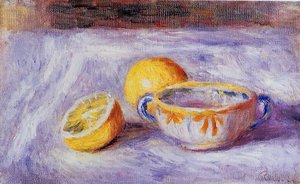
Oranges

Admire 'Oranges' by Pyotr Konchalovsky (1908), a vibrant still life showcasing Impressionistic style and bold brushstrokes. Explore the beauty of fruit art!

Konchalovsky (1876-1956): A kulcsfontosságú orosz festő, aki az impresszionizmus, a fauve és a szocialista realizmus elemeit ötvözte. Fedezd fel tájképeit, portréit és ikonikus műveit!

Vásároljon egy nagy felbontású, javított digitális képet, amely sokkal jobb minőségű, mint az online előnézet.

Minden fájlt szakembereink a legmodernebb eszközök és precíz, kézi retusálás segítségével készítenek el aprólékosan. Gondoskodunk arról, hogy minden kép kivételes tisztasággal, pontos színhelyességgel és részletgazdag finomsággal rendelkezzen.

A végleges fájl 72 órán belül e-mailben megérkezik, professzionális, szerkesztői és nyomtatási környezetbe optimalizálva az azonnali használathoz. Ez ugyanaz a minőség, amelyben a legmeghatározóbb tervezőstúdiók, kiadók és galériák is megbízhatnak.

Digitális alkotás

Töltsön le nagy felbontású fájlt személyes kiállításokhoz, nyomtatáshoz és kreatív projektekhez.

Összesen

$9.99

Minden digitális kép rendeléséhez tartozó extrák

Szakértői digitális kézbesítés, garantáltan

Amikor a WahooArt.com weboldalt választja, nem csupán egy képet kap – professzionálisan felmagasított digitális műalkotást kap, amely precizitással készült, és amelyet megelégsedési gwarancia tesz biztoslássá. Az alábbiakban automatikusan minden benne 】

shipping_icon
Gyors e-mail teslimítés

A nagy felbontású digitális képmásolatát a megrendelést követő 72 órán belül e-mailben elküldjük Önnek – azonnal használható formátumban.

canvas_icon
MI-alapú digitális feldolgozású fájl

Műve professzionális módon kerül optimalizálásra fejlett mesterséges intelligencia eszközök és manuális szerkesztés segítségével, biztosítva a maximális részletességet, tisztaságot és színpontosságot.

insurance_icon
Örök életű ingyenes újradelivery

Véletlenül törölted vagy elvesztetted a fájlodat? Ne aggódj – bármikor ingyenesen újra megküldjük neked.

tax_icon
Nincs importköltség – soha

Élvezze műalkotásait azonnal, vám, illeték vagy szállítási költség nélkül – a digitális letöltések mindig adamentesek.

color_icon
Színpontosság Garancia

Professzionális eszközök és színkezelés segítségével garantáljuk, hogy digitális képe a lehető legpontosabban tükrözze az eredeti színeket.

return_icon
60 napos elégedettségi garancia

Ha nemມີ elégedett a digitális képpel, 60 napon belül átmunkáljuk azt, vagy 100% visszatérítjük az amountot – kérdés nélkül.

guarantee_icon
100% Pénzvisszatérítési garancia

Nem érheted el a teljes elégedettséget? 60 napon belül teljes visszatérítést kapsz a digitális fájlod megérkezése után – kérdés बिना.

discount_icon
Tömegrendelési kedvezmények

Vásároljon 3 képet, spóroljon 10%-et - Vásároljon 5-öt, spóroljon 15%-et - Vásároljon 10+ képet, spóroljon 20%-at. Kiváló kreatív projektekhez, galériákhoz és ügynökségekhez.

Rövid tények

  • Dimensions: 68 x 72 cm
  • Medium: Oil on canvas
  • Title: Oranges
  • Movement: Post-Impressionism
  • Notable elements or techniques: Thick brushstrokes
  • Influences: Van Gogh
  • Year: 1908

Művészeti kvíz

Minden kérdésre csak egy helyes válasz létezik.

Kérdés 1:
What is the primary subject matter of Pyotr Konchalovsky’s painting, 'Oranges'?
Kérdés 2:
In what year was the artwork 'Oranges' created by Pyotr Konchalovsky?
Kérdés 3:
Which artistic movement significantly influenced Pyotr Konchalovsky, particularly evident in his use of color and brushstrokes?
Kérdés 4:
Pyotr Konchalovsky was a founding member of which artistic group that challenged academic traditions in Russia?
Kérdés 5:
According to the provided information, what did Konchalovsky state about proving his patriotism?

A gyűjtemény leírása

Pyotr Konchalovsky's "Oranges": A Study in Impressionistic Still Life

  • Artist: Pyotr Konchalovsky
  • Year: 1908
  • Dimensions: 68 x 72 cm
  • Style: Post-Impressionism, influenced by Fauvism

Subject and Composition

“Oranges,” painted in 1908 by Pyotr Konchalovsky, is a captivating still life that exemplifies the artist's embrace of Impressionistic techniques while subtly incorporating elements of Fauvism. The painting depicts a simple yet elegant arrangement of fruit on a table – two vibrant oranges and one lemon are the primary subjects. These fruits are positioned with deliberate care; the oranges occupy the central space, drawing the viewer’s eye, while the lemon is slightly offset, creating visual balance. A cup sits near the left edge, adding another layer to the composition's depth. The background remains relatively undefined, allowing the focus to remain squarely on the luminous fruits.

Style and Technique

Konchalovsky’s style in "Oranges" is characterized by bold brushstrokes and a vibrant color palette—hallmarks of Post-Impressionism. He moves beyond mere representation, employing thick, visible strokes that imbue the painting with a sense of energy and immediacy. The oranges are rendered with a rich, saturated orange hue, while the lemon provides a contrasting burst of yellow. It is believed Konchalovsky mixed his paints with clay to achieve this thickness and vibrancy. This technique creates texture and depth, giving the fruit a tangible quality. The influence of Fauvism—known for its expressive use of color—is evident in the painting’s bold and unconventional color choices.

Historical Context: Jack of Diamonds and Artistic Innovation

“Oranges” was created during a period of significant artistic ferment in Russia. Konchalovsky was a founding member of "Jack of Diamonds," an avant-garde group that challenged traditional academic art styles. This collective sought to break free from established norms, embracing influences from French Post-Impressionism and Fauvism. The painting reflects this spirit of innovation, rejecting grand historical narratives in favor of everyday subjects rendered with expressive freedom. The Jack of Diamonds aimed to introduce modern artistic trends to Russia, and "Oranges" stands as a testament to their efforts.

Symbolism and Emotional Impact

While seemingly simple, “Oranges” carries subtle symbolic weight. The fruit itself can be interpreted as symbols of abundance, vitality, and warmth. The vibrant colors evoke feelings of joy and optimism. Konchalovsky’s skillful rendering of light and shadow creates a sense of realism while simultaneously conveying an emotional resonance. The painting's overall effect is one of quiet contemplation—a celebration of the beauty found in ordinary objects. It invites viewers to appreciate the simple pleasures of life, rendered with artistic skill and passion.


Művész életrajza

A Life Immersed in the Russian Artistic Spirit

Pyotr Petrovich Konchalovsky, born February 21, 1876, in the village of Slavianka near Kharkiv, was more than just a painter; he was a visual chronicler of a Russia undergoing profound transformation. His artistic journey mirrored the nation’s own tumultuous passage through revolution and ideological shifts, marked by a relentless search for new forms of expression. Konchalovsky's upbringing steeped him in an atmosphere rich with intellectual and creative currents. His father, Petr Petrovich Konchalovsky, was a respected translator and art publisher whose Moscow home became a vibrant hub frequented by leading artists of the era—Valentin Serov, Mikhail Vrubel, Vasily Surikov all graced their residence after the family’s move to the capital in 1889. This early exposure wasn't merely observational; it instilled within young Pyotr a deep appreciation for artistic expression and laid the foundation for his future path. Weekends spent absorbing the masterpieces at the Tretyakov Gallery proved formative, shaping his aesthetic sensibilities with the power of Russian masters.

From Parisian Influences to Avant-Garde Innovation

Konchalovsky’s formal training began at the Moscow School of Painting, Sculpture and Architecture, but a pivotal period followed in Paris from 1896 to 1898 at the Académie Julian. This immersion in the French art world proved transformative. He encountered the groundbreaking work of Paul Cézanne and Vincent van Gogh, artists who challenged conventional representation and explored new ways of perceiving form and color. A subsequent journey to Arles allowed him a deeper understanding of Van Gogh’s artistic vision—a pilgrimage into the heart of expressive intensity. Returning to Russia, he continued his studies at the Imperial Academy of Arts in Saint Petersburg, graduating in 1907. However, it was upon his return that Konchalovsky truly began to forge his own distinctive style. He became a central figure in the Russian avant-garde movement, co-founding the influential “Jack of Diamonds” (Knave of Diamonds) society in 1910. This group rejected academic traditions and championed experimentation, seeking inspiration not only from Western European modernism but also from Russia’s own folk art traditions—icons, tavern signs, and colorful popular prints known as *lubok*. He was a master of observation, capable of transforming the mundane into something extraordinary through the power of his vision.

Navigating Shifting Ideologies: Style and Subject Matter

Konchalovsky’s artistic style evolved throughout his career, reflecting both personal exploration and the changing political climate of Russia. Initially influenced by Fauvism and Cézanne, his early works were characterized by bold colors, simplified forms, and a focus on structure. Paintings like “Still Life with a Coffeepot” exemplify this period, showcasing a vibrant palette and a dynamic composition. Following service in the Russian army during World War I, Konchalovsky’s style began to shift. The rise of Socialist Realism under the Soviet regime demanded art that served ideological purposes, celebrating socialist ideals and portraying prominent figures. While this represented a departure from his earlier avant-garde explorations, Konchalovsky adapted, becoming known for his ceremonial portraits. Despite these changes, he maintained a distinctive artistic voice, infusing even his more politically charged works with a sense of solidity and monumentality. He was not simply conforming; he was finding ways to express his artistic sensibility within the constraints of a new era.

A Prolific Output: Key Themes & Subjects

Konchalovsky’s vast body of work reveals recurring themes and subjects that demonstrate his artistic preoccupations. Still lifes were a constant throughout his career, allowing him to explore form, color, and composition in a controlled environment. He often depicted everyday objects—fruits, flowers, dishes—imbuing them with a sense of weight and presence. Landscapes, particularly those inspired by his travels, also held a special place in his oeuvre, capturing the beauty and grandeur of the natural world. However, it was perhaps in portraiture that Konchalovsky truly excelled, creating compelling likenesses of his contemporaries, often imbued with psychological depth. His portraits ranged from intimate depictions of family members to grand ceremonial representations of Soviet officials. He also experimented with genre scenes and historical subjects, demonstrating a willingness to tackle diverse artistic challenges. The sheer volume of his work—over 5,000 pieces—is a testament to his tireless dedication and unwavering commitment to the art of painting.

Legacy and Enduring Significance

Pyotr Konchalovsky’s contribution to Russian art is undeniable. He bridged the gap between early modernism and Socialist Realism, navigating complex political currents while remaining a significant artistic force. His first solo exhibition at the Tretyakov Gallery in 1922 solidified his reputation as one of Russia's leading artists. Beyond his own work, Konchalovsky fostered a family deeply involved in the arts; his son, Mikhail Petrovich Konchalovsky, became a renowned film director, and his daughter, Natalia Konchalovskaya, was an accomplished artist herself. His paintings are not merely aesthetically pleasing objects but historical documents, reflecting the tumultuous period in which they were created. They offer valuable insights into the evolution of Russian art and the challenges faced by artists operating within a rapidly changing society. Konchalovsky’s ability to adapt while maintaining a distinctive style cemented his place as a key figure in Russian art history, leaving behind a legacy that continues to inspire and captivate audiences today.

Konchalovsky Pytor

Konchalovsky Pytor

1876 - 1956 , Oroszország

Rövid tények

  • Artistic Movement Or Style: Képzőművészet, Fauvizmus, Realizmus
  • Artists Or Movements Influenced By This Artist: ['Orosz avantgárd']
  • Artists Who Influenced This Artist:
    • Paul Cézanne
    • Van Gogh
  • Date Of Birth: Feb 21, 1876
  • Date Of Death: Feb 2, 1956
  • Full Name: Pyotr Petrovich Konchalovsky
  • Nationality: Orosz
  • Notable Artworks:
    • Kávéscsésze stillife
    • Szablya
    • Tengerpart
  • Place Of Birth: Kharkiv, Oroszország