Megtekintés AR előnézet Kézzel festett másolat rendelése Áttérés digitális képre Küldés
Részletek Útmutató Kedvencekhez ad Letöltés Hasonló darabok X-ray felvétel Diavetítés Statisztika

Beatrice

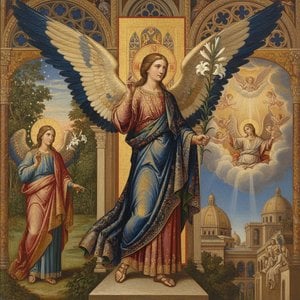
Doré Beatrice című remekművével ismerkedjen meg – egy látványos ábrázolás Dante Bölcsek Könyvéből, mely szent felismerésre és nagy szépségre büszkélkedik részletes technikával és fényképező érzékkel.

Fedezze fel Gustave Doré izgalmas wood engravingjét és illusztrációit! A romantika mestere, a Bibliáról, Dante-ből és irodalmi remekművekből ismert. Látványos művészetet kínál!

Giclée / Műnyomat

Múzeumi minőségű giclée vagy vászonnyomat, gyors gyártással és rugalmas finomítási lehetőségekkel. ( Kézzel festett másolat rendelése Áttérés digitális képre)

Corner sample of the P118B picture frame: formázott polisztirol, 5 cm wide and 3 cm thick
P118B Ft10
Corner sample of the P118H picture frame: formázott polisztirol, 5 cm wide and 3 cm thick
P118H Ft10
Corner sample of the P118W picture frame: formázott polisztirol, 5 cm wide and 3 cm thick
P118W Ft10
Corner sample of the P438Z picture frame: formázott polisztirol, 5.5 cm wide and 3.5 cm thick
P438Z Ft10
Corner sample of the P508JH picture frame: formázott polisztirol, 7 cm wide and 3.5 cm thick
P508JH Ft12
Corner sample of the P508YH picture frame: formázott polisztirol, 7 cm wide and 3.5 cm thick
P508YH Ft12
Corner sample of the P805H picture frame: formázott polisztirol, 5 cm wide and 3.5 cm thick
P805H Ft10
Corner sample of the P805Z picture frame: formázott polisztirol, 5 cm wide and 3.5 cm thick
P805Z Ft10
Corner sample of the P919BZ picture frame: formázott polisztirol, 7 cm wide and 3.5 cm thick
P919BZ Ft10
Corner sample of the P919G picture frame: formázott polisztirol, 7 cm wide and 3.5 cm thick
P919G Ft10
Corner sample of the P919XJ picture frame: formázott polisztirol, 7 cm wide and 3.5 cm thick
P919XJ Ft10
Corner sample of the P959ZH picture frame: formázott polisztirol, 5 cm wide and 3 cm thick
P959ZH Ft10
Corner sample of the P968JZ picture frame: formázott polisztirol, 6 cm wide and 4 cm thick
P968JZ Ft12
Corner sample of the W106C picture frame: tömörfa, 5 cm wide and 3 cm thick
W106C Ft8
Corner sample of the W218G picture frame: tömörfa, 5 cm wide and 3 cm thick
W218G Ft10
Corner sample of the W218JH picture frame: tömörfa, 5 cm wide and 3 cm thick
W218JH Ft8
Corner sample of the W218Y picture frame: tömörfa, 5 cm wide and 3 cm thick
W218Y Ft10
Corner sample of the W307PJ picture frame: tömörfa, 6 cm wide and 3 cm thick
W307PJ Ft10
Corner sample of the W316G picture frame: tömörfa, 6 cm wide and 3 cm thick
W316G Ft10
Corner sample of the W316PJ picture frame: tömörfa, 6 cm wide and 3 cm thick
W316PJ Ft8
Corner sample of the W316Y picture frame: tömörfa, 6 cm wide and 3 cm thick
W316Y Ft10
Corner sample of the W398PJ picture frame: tömörfa, 5 cm wide and 3 cm thick
W398PJ Ft8
Corner sample of the W4111J picture frame: tömörfa, 6.5 cm wide and 3.5 cm thick
W4111J Ft10
Corner sample of the W500HY picture frame: tömörfa, 7 cm wide and 5 cm thick
W500HY Ft15
Corner sample of the W500JH picture frame: tömörfa, 7 cm wide and 5 cm thick
W500JH Ft15
Corner sample of the W692G picture frame: tömörfa, 8 cm wide and 4 cm thick
W692G Ft12
Corner sample of the W849H picture frame: tömörfa, 5 cm wide and 3 cm thick
W849H Ft8
Corner sample of the W940BG picture frame: tömörfa, 7.5 cm wide and 4.5 cm thick
W940BG Ft15
Corner sample of the W953PJ picture frame: tömörfa, 6 cm wide and 3.5 cm thick
W953PJ Ft8

Standard méret
egyedi méretű
CM
INCH

Válasszon előre meghatározott méreteink közül, amelyek megfelelnek a műalkotás eredeti arányainak.

szélesség
magasság

Írja be a keretének vagy a falának megfelelő szélességet és magasságot. A nyomatot csak le lehet vágni, soha nem tehető nagyobbá, mint az eredeti kép, így egy eltérő alakú méretnél a kép egy része elveszik. Mielőtt bármit kinyatintanánk, küldünk egy digitális próbamodellt jóváhagyásra. Az oldalon látható kép nem tartalmazza a valós levágást — ezt csak a próbamodell mutatja meg.

Világszerte történő kiszállítás területére mindössze 2 hét alatt, a szokásos 4-5 hét helyett. (26 október)

Ingyenes globális expressz szállítás
Prémium minőségű len vászon
Teljes körű szállítási biztosítás
Vámvisszatérítési Garancia
Hiteles színarányosság garancia
100 napos visszaküldési lehetőség (csak hibás termékek esetén)
100% pénzvisszatérítési garancia
Több darab vásárlásakor kedvezmény

Összesített ár

Ft 21796

Beatrice

Giclée / Műnyomat

Reprodukció mérete

-

Összesített ár

Ft 21796

Gyors információk

  • Artistic style: Dramatikus ábrázolás
  • Artist: Paul Gustave Doré
  • Location: Privát gyűjtemény
  • Movement: Romanticizmus
  • Subject or theme: A Szellem Utazása

Egy Szellem Utazás Egy Érdemes Szerződés És Egy Új Szemmel Megvizsgálva

Paul Gustave Doré *Beatrice* című alkotása nem csak egy rézmastalapú nyomtatvány; hanem egy vizuális vers – egy szigorúan megmunkált ábrázolás Dante Alighieri *Szellem Királysága* című nagy művéből, különösen az Új Paradicsom felé vezető útáról. 1867-ben készítette el Doré, és ezt a művészeti alkotást egy hatalmas vallási jelentőségűségű történetként foglalja össze, melyet kiváló művészi precizitással örökíti meg.

A Dramatikus Mélység Technikája

Doré mestersége elsősorban az engraving technikájának ügyetlen használata. Az alkotás folyamata során először rézmastalapot véstek egyenlővé, ami nagy türelmet és szakmai tudást igényelt – ez volt az első lépés. Ezután pedig egy részletes rajzot helyeztek el a felületre egy stylus segítségével. Utána pedig gondosan megmunkált vonalak nyomtatását hajtották végre a rézmastalapon, melyet végül papírra nyomtattak ki a végeredmény érdekében. Ez a módszer lehetővé tette Doré számára, hogy elérje az engraving művészetének csodálatos szintjét – egy technikát, amely szinte tökéletesen utánozza Paradicsom fényességét és árnyékának komplex mintázatát. A rézlapra nyomtatott tinta nagy gondossággal helyezett el és részletes volt. Az engraving folyamata nem csak dekoratív volt; hanem alapvető szerepet játszott az érzelmek kifejezésében és a tonal értékek ügyetlen használatában – egy módszert, amely helyesen tükrözi Dante vallási művének nagy jelentőségét és szépségét. Ez egy bizonyosságot mutatott Doré képességének arra, hogy irodalmi ihletet átalakítsa látványossággá – egy időtálló ábrázolást hitből és reményből, amely ma is magával ragyogtatja az olvasókat.

Egy Szellem Utazása: Jelentőség És Kontextus

Doré engravingje nagyban épül Dante *Szellem Királysága* című művére, tükrözve a középkor vallási alegóriájának szenvedélyét és szépségét. Beatrice jelképe vallásos kegyelem és spirituális megvilágítás, melyet Dante követ őszinte útán Új Paradicsom felé – egy képet, mely mély vallási jelentőségűségével és kiváló művészi precizitással örökíti meg. Az engraving folyamata során először rézmastalapot véstek egyenlővé, ami nagy türelmet és szakmai tudást igényelt – ez volt az első lépés. Ezután pedig egy részletes rajzot helyeztek el a felületre egy stylus segítségével. Utána pedig gondosan megmunkált vonalak nyomtatását hajtották végre a rézmastalapon, melyet végül papírra nyomtattak ki a végeredmény érdekében. Ez a módszer lehetővé tette Doré számára, hogy elérje az engraving művészetének csodálatos szintjét – egy technikát, amely szinte tökéletesen utánozza Paradicsom fényességét és árnyékának komplex mintázatát. Az ábrázolás nagy gondossággal helyezett el és részletes volt. Doré művészete tükrözi a romantikus szellemet – mely jellegzetes érzelmi intenzitást és drámát mutatott először – és nem törekedett fotógráfiai pontosságra, hanem kifejezésre és az árnyék értékek ügyetlen használatára. Ez egy bizonyosságot mutatott Doré képességének arra, hogy irodalmi ihletet átalakítsa látványossággá – egy időtálló ábrázolást hitből és reményből, mely ma is magával ragyogtatja az olvasókat.
  • Művészeti Stílus: Dramatikus megjelenítés
  • Méret: Nem ismert
  • Évszáma: Nem ismert
  • Festő művésze: Paul Gustave Doré
  • Származási helye: Franciaország

Kérdések és válaszok

Megtekinthető a „Beatrice”, Doré alkotása alkotás rendelés előtt?

A „Beatrice”, Doré alkotása előnézete megtekinthető a mű Előnézet oldalán.

Hogyan ötvölik a kontraszt és a harmónia a(z) "Beatrice" alkotásban?

A „Beatrice”, Doré alkotása színes kompozíció egy Erőteljes kontrasztú kontrasztot és egy Egységes színpaletta harmóniát ötvöz.

Vannak a „Beatrice” alkotáshoz hasonló művek?

A „Beatrice”, Doré alkotása alkotással hasonló műalkotások a(z) Hasonló alkotások oldalon találhatók.


A művész életrajza

A Life Etched in Shadow and Light: The World of Gustave Doré

Paul Gustave Louis Christophe Doré, a name synonymous with dramatic illustration and evocative imagery, was more than just an artist; he was a cultural phenomenon. Born in Strasbourg, France, on January 6th, 1832, his life unfolded during a period of profound transformation – the waning years of Romanticism giving way to the burgeoning realism and symbolism of the 19th century. Even as a young boy, Doré possessed an extraordinary talent, not merely for drawing—a skill he diligently cultivated from an incredibly early age—but also with a captivating personality that hinted at the theatrical intensity which would become his signature style. Tales abound of youthful antics demonstrating a maturity far beyond his years, foreshadowing the complex and often melancholic themes that would dominate his artistic output. He embarked on his professional career remarkably early, at just fifteen years old, as a caricaturist for the Parisian journal *Le Journal pour rire*, honing his observational skills and compositional abilities within the vibrant world of satirical art.

From Caricature to Literary Giants: The Rise of an Illustrator

Doré’s initial commissions laid the groundwork for his subsequent renown. Works such as *Les Travaux d'Hercule* (1847), *Trois artistes incompris et mécontents* (1851), and *Les Dés-agréments d'un voyage d'agrément* (1851) showcased a burgeoning talent for dynamic composition and a masterful command of light and shadow, even in these relatively modest beginnings. He was deeply influenced by the illustrations of J.J. Grandville, whose fantastical imagery and satirical edge resonated profoundly with Doré’s own developing artistic sensibilities. However, it was through his collaborations with literary giants that Doré truly ascended to prominence. In 1853, he received a prestigious commission to illustrate the works of Lord Byron, an undertaking which opened doors to further significant projects. The monumental task of illustrating the Bible followed, a project that would cement his reputation and bring his art before a vast international audience – a testament to his skill and ambition. This ambitious undertaking required not only artistic talent but also meticulous research and a deep understanding of biblical narratives. His illustrations were revolutionary for their time, capturing both the grandeur and the drama of these ancient stories with unprecedented detail and emotional depth. The sheer scale of the project demanded a large team of skilled block-cutters, allowing Doré to translate his intricate designs into stunning wood engravings that could be mass-produced and distributed widely.

A Master of Technique: Wood Engraving and Romantic Vision

Doré’s artistic prowess wasn't solely rooted in imaginative vision; it was inextricably linked to his technical mastery, particularly in the art of wood engraving. He possessed an extraordinary ability to create incredibly detailed and dramatic images through this medium – a skill that allowed for the efficient production needed to meet the demands of publishers and readers alike. His compositions are characterized by their dynamism, stark contrasts between light and shadow (a technique known as chiaroscuro), and a sense of overwhelming grandeur or even palpable terror. He frequently employed a large team of block-cutters to meticulously translate his designs into wood engravings, ensuring the precision and detail required for his ambitious projects. His style is firmly rooted in the Romantic tradition – emphasizing emotion, imagination, and the sublime—a fascination with the power of nature and the human condition. He wasn’t merely recording scenes; he was interpreting them through a lens of heightened emotionality and dramatic flair. This approach, while sometimes criticized for its theatricality, ultimately contributed to his enduring appeal.

Notable Works and Lasting Influence

Doré's artistic legacy extends far beyond the sheer volume of his work. His illustrations had a profound impact on visual culture, influencing artists and readers for generations. Vincent van Gogh, a fervent admirer of Doré’s depictions of suffering and hardship, recognized in them a shared sensitivity to the plight of humanity. His *Illustrations for Dante's Inferno* (1867-1870), in particular, remains one of his most iconic achievements – a terrifying and unforgettable depiction of Hell that continues to captivate audiences today. Similarly, his illustrations for Milton’s *Paradise Lost* captured the epic scope and dramatic intensity of this monumental poem. Beyond these major works, Doré's illustrations for Cervantes’ *Don Quixote*, Edgar Allan Poe’s “The Raven,” and Blanchard Jerrold’s *London: A Pilgrimage* demonstrate his versatility and ability to adapt his style to a wide range of subjects and genres. Despite facing some criticism during his lifetime—some found his work overly dramatic or lacking in subtlety—Doré's art is now celebrated for its artistic merit, historical significance, and enduring power to evoke emotion and imagination. He died on January 23rd, 1883, leaving behind an immense body of work that continues to inspire awe and admiration. His legacy lies not only in the beauty of his images but also in their ability to transport us to other worlds – a testament to the transformative power of illustration.

Notable Works (Selected)

  • Flower Sellers of London (1875): A poignant depiction of Victorian poverty and resilience, showcasing familial bonds amidst hardship.
  • The Christian Martyrs: A dramatic masterpiece depicting faith and persecution with powerful emotion.
  • Illustrations for Dante’s Inferno: Perhaps his most iconic work, these engravings brought the terrifying visions of Dante's hell to life with unparalleled intensity.
  • Illustrations for Milton’s Paradise Lost: Doré’s interpretation of this epic poem is renowned for its grandeur and dramatic flair.
  • The Wandering Jew (1856): A popular work, though it contains antisemitic undertones reflective of the time period.

Doré

Doré

1832 - 1883 , Francia

Rövid információk

  • Artistic Movement Or Style: Romanticizmus
  • Artists Or Movements Influenced By This Artist: ['Van Gogh']
  • Artists Who Influenced This Artist: ['Grandville']
  • Date Of Birth: 1832 jan 6.
  • Date Of Death: 1883 jan 23.
  • Full Name: Paul Gustave Doré
  • Nationality: Francia
  • Notable Artworks:
    • Don Quixote
    • A galamb
    • London: Egy út
    • Dante pokla
    • Paradise Lost
  • Place Of Birth: Strasbourg, Francia
Fedezze fel a műalkotásokat témák, stílusok és jellemzők szerint csoportosítva.