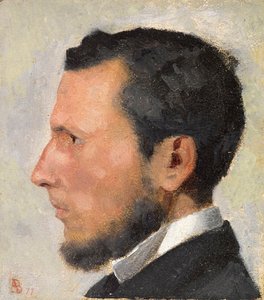
Paul Albert Besnard fénytermő öröksége
Paul Albert Besnard (1849-1934) egyedülálló alakként áll a francia művészet szövetében, mint olyan festő, aki a XIX. század végi és a XX. század eleji változó hullámokat egy különleges, nem klasszikusba easyen sorolható eleganciával vezette végig. Párizsban született, művészi utazása az École des Beaux-Arts szigorú keretei között kezdődött, ahol Jean Bremond tanítványaként készült. Korai fejlődését mélyen meghatározta Alexandre Cabanel aprólékos realizmusa, amely fegyelmezett akadémikus alapot biztosított Besznard számára. Azonban ez a klasszikus képzés mögött egy modernizátor szíve döntött: olyan művész, aki végül képes volt túllépni a hagyomány merev határain, hogy befogadja a fény és a légkör múlandós szépségét.
Pályafutása érettévé válásával Besnard áthidalta a szakaszokat az akadémikus festészet strukturált világán és az Impressionizmus vibráló, érzéki felfedezésein között. Bár nem rengette el magát a tiszta absztrakcióért, és nem hagyta magát teljesen feladni a formának, a színek mesterévé vált, olyan palettát használva, amely egyszerre volt ragyogó és mélyen érzelmekkel teli. Művészetét meghatározott egy rendíthetetlen vonzalom: az a mód, ahogyan a fény interakcióba lép a felületekkel, legyen szó egy portré finom bőrszínéről vagy legnagyszerűbb megrendeléseinek monumentális építészeti kiterjedéseiről. A monumentális és az intim össze casadoásának képessége lehetővé tette számára, hogy megússza korának címkéit, olyan stílust alkotva, amely egyszerre időtlen és megdöbbentően kortárs maradt.
A méret és a szellem mestere
Besnard valódi zsenialitása talán leginkább abban volt látható, ahogyan képes volt a modern érzeteket monumentális, dekoratív skálára lefordítani. Ő nem csupán képeket festett; ő terek áltartozója volt. Ambiciózus freskói, amelyek Franciaország néhány legmeghatározóbb intézményét díszítik, tanúbizonyságot tesznek annak a vízióinak, mely szerint a művészet egy nyilvános, magával ragadó élmény. Ezek a művek olyan helyeken találhatók meg, mint:
- A Sorbonne, ahol ecsetvonásai életet lehelnek az akadémikus pompába.
- <Az École de Pharmacie, amely bemutatja képességét a művészet integrálásában a funkcionális építészetbe.
- <A Comédie Française Salle des Sciences épülete, amely a dekoratív történetmesélés triumfusa.
- <Hôtel de Ville, amely Párizs polgári büszkeségét és esztétikai kifinomultságát tükrözi.
- <A Berck Hospital kápolnája, ahol a Feszültséges keresztút (Stations of the Cross) ábrázolása a vallási ikonográfiát modern, humanisztikus lencsén keresztül mutatja meg újra.
E these hatalmas vállalkozások során Besnard elkerülte a kortársai által kedvelt túl drámai vagy színházias esztétikát. Ehelyett egy finomabb, atmoszférikus megközelítést alkalmazott, amely lehetővé tette, hogy a fény vezesse a néző tekintetét, biztosítva, hogy még a legnagyobb kompozíciók is megőrizzék a költői intimitás és a spirituális mélység érzetét.
Portréfestészet és a forma intimitása
Freszkói lenyűgöző tájlénye beyond, Besnard sokkal személyesebb alkotások bőséges termelője is volt. Kivételes képességgel rendelkezett ahhoz, hogy olajfestményen, akvarellben, pastelban és etszésben is megörökítse vágyai alanyainak pszichológiai lényegét. Portréit nemcsak technikai precizitásuk miatt tisztelik, hanem mély érzelmi rezonanciájuk miatt is. Madame Georges Rodenbach ábrázolásában a szépség merész felfedezésére találunk rá, amely kihívja a hagyományos normákat, bemutatva képességét a textúra és a karakter egyenlő szenvedélmmel történő megformálásában.
A grafikusi és rajztani sokoldalúsága lehetővé tette számára, hogy sokkal finomabb skálán kísérletezzen az árnyék és a fény kölcsönhatásával. Legyen szó Belgia király és királynője királyi jelenlétének megörökítéséről vagy egy táj csendjének ábrázolásáról, Besnard munkássága továbbra is egy Thomas Gainsborough-ra emlékeztető hatás által van rögzítve – egy bizonyos elegancia és ritmikus áramlás, amely felemeli a témát. Végül is, Paul Albert Besnard jelentősége éppen ebben a kettősségben rejlik: ő volt az a művész, aki képes volt uralni Franciaország legnagyobb termét, miközben egyszerre képes volt megörökíteni a fény legátlósabb, legkönnyedebb suttogásait is.



 Előnézet
 Kézzel festett másolat vásárlása
 Megosztás
 Megosztás
 Részletek
 Útmutató

 Letöltés
 Hasonló darabok
 X-ray felvétel
 Diavetítés
 Statisztika

 Tovább olvasom






































 Az üvegkeretes opció csak 110 cm alatti méretben érhető el